



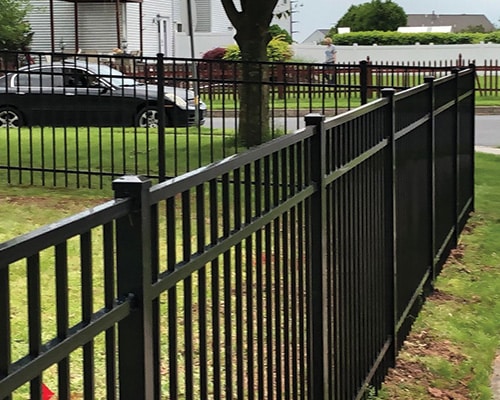
Hiring local fence installers can feel overwhelming, especially when quotes vary widely and it’s hard to tell what’s fair. Many homeowners wonder whether they’re paying a reasonable price or being overcharged simply because they lack technical knowledge about fencing. The truth is that fence pricing depends on several legitimate factors, but misunderstandings and lack of transparency can sometimes inflate costs. Before signing a contract, it’s important to understand how pricing works, what influences estimates, and how to protect yourself as a consumer.
Fence Installation Cost Differences Explained
Installing a fence does not follow a standard price tag. Location shapes cost – cities often charge more due to pricier labor compared to countryside spots. Materials chosen play a role too, influencing both look and budget. The ground layout matters; uneven terrain increases effort and time. Permits might be needed, adding delays before work even begins. Rules from homeowner associations sometimes limit options or require approvals first.
Fences made of wood tend to be cheaper at first yet demand extra upkeep down the line, whereas those built from vinyl, aluminum, or composite usually hit the wallet harder early on but endure much longer. Another thing that shifts the balance: how steep or rocky the land happens to be – level ground with clear space simplifies installation dramatically compared to uneven terrain tangled with roots or stones.
Why Some Homeowners Think They Pay Too Much
Homeowners often think they’re paying too much – not due to high prices, yet because details were left unclear. Without a breakdown, charges appear random rather than reasoned. Costs become harder to trust once materials, work hours, paperwork fees, and site tidying merge into a single lump sum. Value fades from view when everything hides behind one total.
Not every estimate measures the same thing. A cheaper bid might cut corners – like using lighter parts or skipping supports – while a costlier one packs tougher components plus extended coverage. If you overlook those details, spending more seems odd, though it could save money later.
What a fair fence estimate should include
A clear breakdown shows exactly where your money goes when pricing a fence job. Usually, that means listing out materials first, then work hours, how deep the posts go, plus gates going in. Old sections coming down? That detail belongs here too, along with required paperwork costs. When everything’s spelled out, it hints at an honest company behind the quote.
One reason quotes go up? Skilled workers take time, follow rules, also handle tricky setups. Fence job prices include about two-fifths to half in labor, reports show, especially when details demand precision.
Signs of Possible High Pricing
A sketchy price tag usually shows up in dodgy paperwork, rushed decisions, or cash demands out of nowhere. Watch out when someone says a deal vanishes by tomorrow – especially if they won’t put anything on paper. Good workers know people have to shop around before choosing.
A price way above several similar estimates might mean something’s off – if there’s no solid reason given. The lowest bid isn’t automatically worse, but numbers that keep standing out call for a closer look. When one quote climbs much higher, asking what drives it could show if better supplies, skill level, or extended guarantees make up the gap.
Tips to Avoid Paying More Than You Should
Start by gathering several quotes, since comparing them shows what fair prices look like nearby. A solid idea? Look up typical fencing expenses through reliable renovation sites. Picture this: multiple written bids from known local pros reveal patterns in labor charges. You begin noticing which features bump up the total. Some folks skip checking norms, then regret paying too much later. Knowing baseline rates protects against inflated offers. Each added detail matters when totals stack higher than expected.
Begins with what goes into the product, how it gets put up, when it finishes. Clear answers matter most – someone who knows will share without hesitation. Look around the web for comments others left. People nearby might tell you more if asked. Paperwork proving permits and coverage? Always check that too.
Experience and quality matter
Starting with cost alone might seem smart, yet solid craftsmanship pays off later. Fences put in badly tend to tilt, twist, or break too soon – fixing them adds up fast. Those who’ve done this longer usually ask higher fees due to sturdier supplies, correct methods, and promises to fix issues if things go wrong.
A solid fence might sit quietly for years, yet shape how your home feels. It adds strength to the look outside, lifts what your place is worth, while keeping spaces shielded over time. Going low on cost sometimes costs more later. Fair pricing for strong materials tends to serve longer than chasing the cheapest offer.
When Extra Spending Makes Sense
A high price tag does not always mean you are paying too much. When custom work is involved, expenses go up – especially with top grade materials or difficult land shapes. Take fences on steep hills: they need careful layout, ground adjustments, plus unique building methods.
Fences made for looks, like aluminum designs or special gates, take careful handwork plus spend more on parts. What you pay extra covers tough build quality, not padding profits.
Making Your Final Choice With Full Understanding
A solid grasp of fencing costs begins with knowing the process. Because once you see how materials, labor, and timing fit together, comparing offers becomes easier. Contractors worth considering explain things plainly, break down pricing step by step, plus come recommended by neighbors nearby.
What matters most is getting what fits your money situation well. Not just low cost, yet fair worth over time. Someone reliable listens closely. They talk about costs clearly. Helping decide on choices that truly suit you happens naturally then. Extra features appear only if needed.
Conclusion
Feeling uncertain about fence pricing is normal, especially when quotes vary widely. By understanding cost factors, recognizing red flags, and comparing detailed estimates, you can confidently determine whether local fence installers are charging fairly. Choosing the right professional is about transparency, quality, and long-term value. When your project involves durable materials and expert craftsmanship, working with a reputable aluminum fence company or similar specialist can ensure you get exactly what you’re paying for without unpleasant surprises.
Frequently Asked Questions
How many estimates should I get before hiring a fence installer?
Most experts recommend getting at least three written estimates. This helps you compare pricing, materials, and services to identify a fair market range.
Is it normal for fence quotes to differ by thousands of dollars?
Yes, significant differences can occur due to materials, labor quality, warranties, and site conditions. Always ask what’s included to understand the gap.
Do higher-priced installers always provide better quality?
Not always, but higher prices often reflect better materials, more experience, and stronger warranties. Research and reviews help confirm value.
Can I negotiate with fence installers?
In many cases, yes. Some installers may adjust pricing based on material choices, project timing, or bundled services.
Are permits included in fence installation quotes?
Sometimes they are, sometimes they aren’t. Always ask whether permit fees are included to avoid unexpected costs later.