



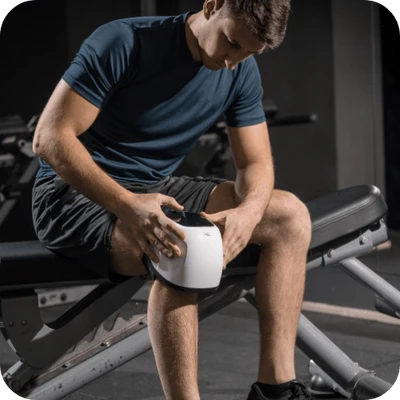
Knee pain has a funny way of getting in the way of normal life. You sit down, stand up, walk around, and there it is again. For some people, a little extra support can make things easier, which is where knee pain relief equipment comes in. There are plenty of devices out there, though, and honestly, they’re not all worth the money. Some are useful. Some just look impressive in an online listing.
So, what should you actually look for?
Think About What Your Knee Needs
First things first, don’t buy a device just because it says “pain relief” on the box.
Different products work in different ways. Some use heat. Others use cold, compression, vibration, or massage. A heated wrap might feel good when your knee is stiff after sitting around. A compression sleeve could be more useful when your knee feels tired after being on your feet all day.
It really depends on what you’re dealing with.
And if the pain is ongoing or comes from an injury, it’s worth getting it checked out instead of trying to fix everything with a gadget. These devices can help with comfort, but they aren’t a replacement for proper medical care.
Adjustable Settings Are a Big Plus
One feature I’d definitely look for is adjustable intensity.
Why? Because your knee probably doesn’t feel the same every day. Some days you might want stronger vibration or massage. Other days, even a little pressure can feel like too much.
A device with different intensity levels gives you some room to adjust things. That’s much better than having one setting and hoping it suits you.
The same goes for heat. If you’re buying a heated device, check whether you can change the temperature. A simple low, medium, and high option is usually enough. You don’t need a hundred settings.
A timer is useful too. It means the device can shut itself off after a certain amount of time instead of running until you remember to turn it off.
Make Sure It Actually Fits
This sounds obvious, but it gets overlooked.
If a knee device doesn’t fit properly, you’re probably not going to use it much. Look for adjustable straps and a design that stays in place when you move. It shouldn’t be squeezing your leg like a tourniquet, but it also shouldn’t slide halfway down your calf.
Comfort matters even more if you plan to use it for 15 or 20 minutes at a time.
Think about the material as well. Something soft against the skin is a lot nicer than rough fabric or stiff plastic. And if the thing weighs a ton, well, good luck wanting to wear it regularly.
What About Massage and Vibration?
This is where knee massagers come into the picture.
Some people like the feeling of vibration or gentle massage around the knee because it can help them relax and feel less stiff. If that’s what you’re after, look for a model where you can control the strength.
Don’t automatically go for the strongest option either. More pressure doesn’t mean better results. Sometimes it just hurts.
It’s also worth checking where the device actually applies the massage. You generally want it working around the knee and surrounding muscles, rather than putting unnecessary pressure directly on a sore joint.
If a device combines massage and heat, that can be convenient too. Two functions in one is handy, especially if you don’t want several different gadgets lying around.
Battery Life Is More Important Than It Sounds
Nobody wants to charge a device every single time they use it.
If you’re buying something rechargeable, check how long the battery is supposed to last. You don’t need it to run for twelve hours, obviously. But it should comfortably handle a few sessions before needing another charge.
This is especially useful if you travel or want to use it away from a wall socket.
Also, keep the controls simple. Buttons that are easy to understand are better than some complicated little control panel with tiny symbols everywhere. You should be able to put the device on and get it working without sitting there trying to figure out what each button does.
Don’t Ignore Safety Features
With knee pain relief equipment, safety should be part of the decision, not something you check after buying it.
Automatic shut-off is useful, particularly with heated products. Overheating protection is another feature worth looking for.
Check what the manufacturer says about using the device on injured or sensitive areas too. Heat, compression and massage aren’t suitable for every situation. If you’re unsure, ask a healthcare professional first.
And yes, read the instructions. Not the most exciting thing in the world, but still worth doing.
Keep Cleaning and Storage in Mind
Your knee device is going to touch your skin. Maybe sweaty skin, too, depending on when you use it.
So look for something easy to clean. Removable covers or wipe-clean surfaces are a good start. If the straps can be washed, even better.
Storage is another small thing. A bulky device that takes up half a cupboard isn’t ideal. If it’s compact and easy to put away, you’re more likely to keep using it.
Noise can matter as well. Some vibration devices are surprisingly loud. If you’re trying to watch TV or work while using one, that can get annoying pretty quickly.
Don’t Assume Expensive Means Better
Price is obviously part of the decision, but it shouldn’t be the only thing you look at.
A more expensive device might have extra features you don’t actually need. Meanwhile, a simpler model could do exactly what you want.
Look at the build quality, settings, battery, comfort, warranty, and general usability. Then compare those things with the price.
Customer reviews can help too. Just don’t get carried away by one person saying a product “changed their life.” Look for patterns. If lots of people complain about the battery dying quickly or the straps coming loose, pay attention to that.
Conclusion
There’s no single piece of knee pain relief equipment that’s going to suit everyone. The useful one is the device that fits your needs and, more importantly, one you’ll actually use.
Look for adjustable settings, a comfortable fit, decent battery life, sensible safety features, and materials that are easy to clean. If you’re looking at knee massagers, make sure you can control the massage or vibration rather than being stuck with one aggressive setting.
Don’t get distracted by a long list of features either. Sometimes a simple device that does its job properly is all you need. Fancy buttons are nice. A comfortable knee is nicer.