



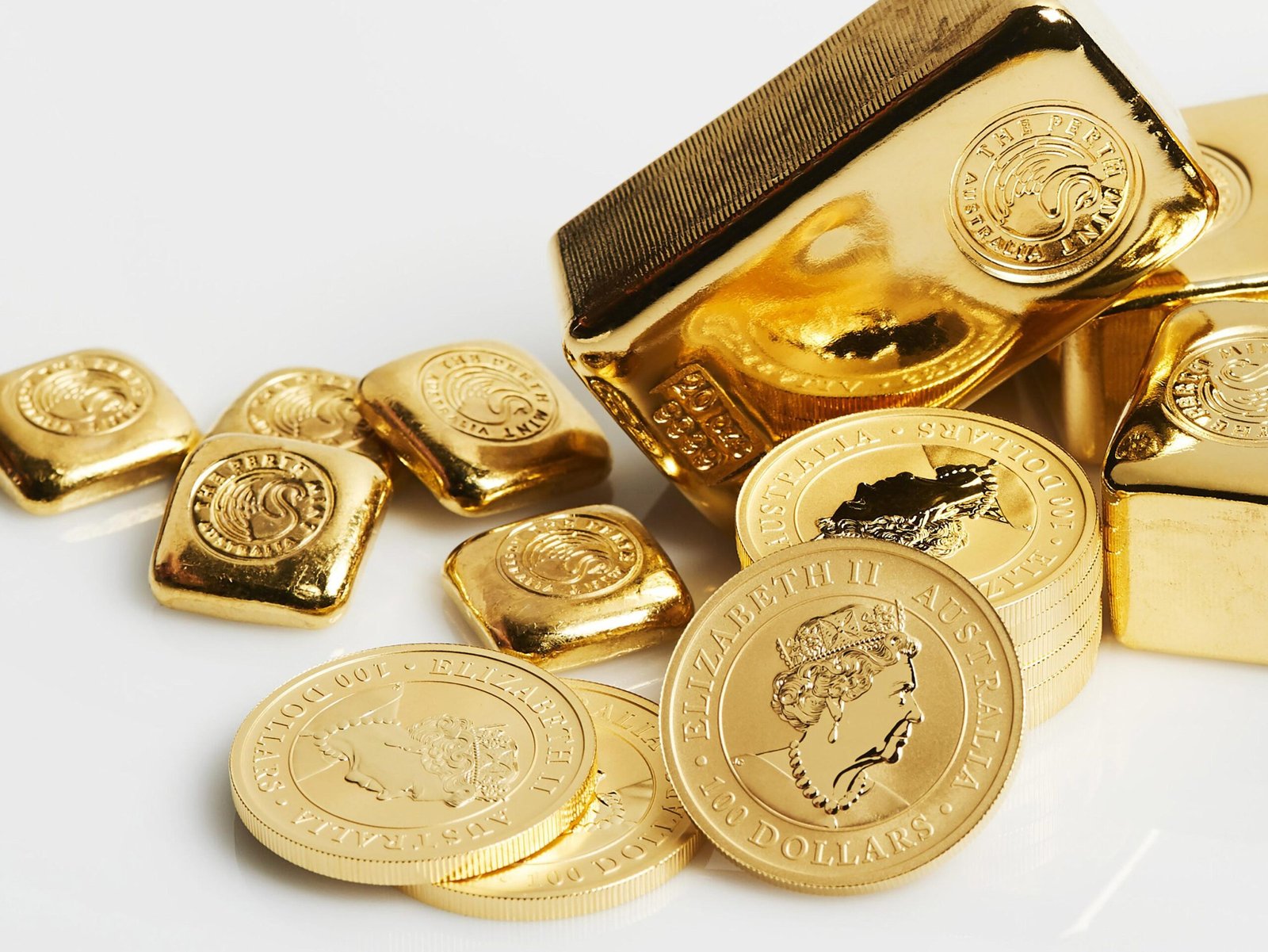
Buying physical gold starts with understanding the product you are considering. Gold is available in different forms, including bars and coins, with each product having its own weight, purity, design, and specifications. These details can help you compare available options and decide which format best matches your preferences.
For someone new to physical gold, the number of available choices can seem confusing at first. Two products may look similar but contain different amounts of fine gold, while products with the same gold content may have different designs, manufacturers, or purchase prices.
The best way to approach the buying process is to look beyond appearance alone. Understanding weight, purity, fine gold content, product type, and other specifications gives you a clearer basis for comparing gold products. Your preferred format, intended use, and individual buying goals can also help guide your decision.
Understanding the Different Forms of Physical Gold
Physical gold is commonly available as bullion bars and bullion coins. Both provide a way to own gold in tangible form, but they differ in design, format, and available sizes.
Gold Bars
Gold bars are produced in different weights and may come from recognized refiners or manufacturers. Depending on the product, a bar may display information such as its weight, fineness, refiner, mint, or serial number.
Some buyers prefer bars because of their straightforward design and the range of sizes available. Smaller bars may suit people who want individual pieces in lower weights, while larger bars offer a different way to hold a greater quantity of gold in one product.
When comparing bars, review the stated weight, purity, manufacturer or refiner, and product details. These specifications provide a more useful basis for comparison than appearance alone.
Gold Coins
Gold coins are available in various sizes and designs. Bullion coins are generally valued primarily for their gold content, weight, and purity, although recognition, availability, and other product characteristics can also influence their purchase price.
Some coins are produced by government mints and have established specifications. Others may be associated with collectible or numismatic interest, where factors beyond the gold content can affect their appeal.
If you are considering gold coins, check whether the product is a bullion coin or a collectible coin. Understanding this distinction can help you compare products according to what matters most to you.
Gold Bars vs. Gold Coins: What Should You Consider?
Neither format is automatically the right choice for every buyer. Bars may appeal to people who prefer a simple format and particular weights, while coins may suit those who value specific designs, recognized mint programs, or different size options.
Consider how much gold each product contains, how it is identified, and whether its specifications meet your requirements. If you are comparing several products, reviewing their details side by side can make the differences easier to understand.
Gold Purity and Fine Gold Content Explained
Purity is one of the most important details to check when comparing physical gold. It indicates the proportion of a product made up of gold.
Gold purity is commonly expressed using decimal fineness. For example:
- .999 fine gold: 99.9% gold.
- .9999 fine gold: 99.99% gold.
Although these figures are close, they represent different purity levels. Checking the stated fineness helps you understand the composition of a product before making a purchase.
It is also useful to distinguish between total product weight and fine gold content. A product may contain other metals alongside gold, so its overall weight does not always equal the amount of pure gold it contains.
For example, some gold bullion coins are made using a gold alloy to provide additional durability. In such cases, the total coin weight may be greater than the stated fine gold content.
When reviewing a gold product, check its listed purity and fine gold content together. This gives you a clearer understanding of what the product contains and helps you compare it with other available options.
How Gold Weight Affects Product Selection
Gold products are available in different weights, from small fractional-ounce formats to larger bars and one-ounce coins. The weight you choose affects how much physical gold you own in each individual piece.
Gold is commonly measured in troy ounces when describing bullion. One troy ounce is approximately 31.1035 grams.
Fractional-ounce products contain less than one troy ounce of gold. These may be available in sizes such as one-half, one-quarter, or one-tenth of a troy ounce, depending on the product.
When comparing weights, keep the following points in mind:
- Check the stated unit: Confirm whether the weight is given in grams or troy ounces.
- Review fine gold content: Make sure you understand how much gold the product contains.
- Compare similar formats: Comparing products with similar weights and purity levels can make their differences easier to evaluate.
- Consider your preferred size: Individual pieces may be easier to organize in different ways depending on their size and quantity.
The right weight depends on your preferences and the amount of physical gold you want to own. There is no single size that suits every buyer.
Understanding Gold Product Specifications
Beyond weight and purity, several other specifications can help you evaluate a gold product.
Mint or Refiner
The mint or refiner identifies the organization responsible for producing or refining the product. Reviewing this information can help you understand its origin and compare products from different sources.
Product Identification
Some bars include identifying details such as a serial number, fineness, weight, or manufacturer information. Coin specifications may include the mint, denomination, design, and stated gold content.
These details help distinguish one product from another. Keep product documentation and purchase records where available so you can refer to the specifications later.
Product Type and Design
A gold bar and a gold coin can contain similar amounts of fine gold while differing in format and design. Bullion coins may feature established designs, while bars generally have a simpler appearance.
Design can be an important personal preference, but it should not replace a review of the product’s actual gold content and specifications.
Understanding Gold Pricing and Product Value
Gold product prices can vary even when two products contain similar amounts of fine gold. Differences may relate to the product format, manufacturing and distribution, availability, mint or refiner, market demand, and other specifications.
For a more meaningful comparison, review the total purchase price alongside the amount of fine gold, purity, weight, and product type. Comparing products on the basis of their actual specifications can help you understand why their prices differ.
Gold market prices can also change over time. As a result, a product’s purchase price today may not be the same as its price at another time.
It is helpful to separate the underlying gold content from other product characteristics. A design, brand, or recognizable appearance may influence a product’s appeal, but those features do not change the stated amount of fine gold it contains.
Before making a decision, review the current product details and make sure you understand what is included in the quoted price.
Storage and Care for Physical Gold
After choosing physical gold, consider how you will store and keep track of it. Your preferred arrangement may depend on the quantity of gold you own, the size of the products, accessibility, and your personal circumstances.
Some people consider secure private storage, while others may explore professional storage arrangements. The appropriate choice depends on individual needs and the nature of the holding.
A few practical steps can help you stay organized:
- Keep purchase records and product documentation.
- Record each product’s weight, purity, and identifying details.
- Store products in a manner appropriate for their type and condition.
- Review your storage arrangements as your holdings or circumstances change.
Gold held through a retirement account is subject to separate account and storage requirements. If you are considering that route, understand those requirements before selecting products.
Physical Gold and Gold IRA Eligibility
Some retirement account holders explore a self-directed Gold IRA as a way to hold certain physical precious metals within an eligible retirement account. However, buying physical gold directly and holding eligible gold through an IRA are different arrangements.
Not every gold coin or bar automatically qualifies for an IRA. Eligibility depends on applicable requirements and the specific product. Account holders should also understand the role of the custodian and the storage arrangements required for metals held through the account.
If you are considering gold for a retirement account, verify the eligibility of the exact product before proceeding. Reviewing the account structure, applicable rules, and storage requirements can help you understand the process more clearly.
You can learn more about the available physical gold products at Jefferson Gold and explore Gold IRA information at Jefferson Gold’s Gold IRA resource.
A Practical Checklist Before Choosing Gold
Before purchasing gold bars or coins, take a moment to review the following details:
- Product type: Is it a gold bar, bullion coin, or collectible coin?
- Weight: How much does the product weigh?
- Purity: What fineness is stated?
- Fine gold content: How much actual gold does the product contain?
- Mint or refiner: Who produced or refined it?
- Product identification: Are the specifications and identifying details clear?
- Purchase price: How does the price compare with the product’s gold content and specifications?
- Storage: How will you keep the product secure and maintain its records?
- IRA eligibility: If applicable, has the specific product been checked against the relevant requirements?
- Buying goals: Does the product match your preferred format, size, and intended use?
Working through these points can make it easier to compare options without relying on appearance or a single product feature.
Conclusion
Choosing physical gold becomes more straightforward when you understand the details behind each product. Gold bars and coins differ in format, weight, purity, design, and specifications, so it is worth reviewing these characteristics before making a decision.
Focus on fine gold content, stated purity, product weight, mint or refiner, current pricing, and storage considerations. If you are considering a Gold IRA, also verify the specific product’s eligibility and understand the account and storage requirements that apply.
There is no universal choice that works for everyone. The right product depends on your preferences, circumstances, and buying goals. Jefferson Gold provides information about physical gold products to help customers review available options and make informed decisions.