



In today’s competitive digital landscape, Keyword Gap Analysis has become one of the most powerful strategies to uncover missed ranking opportunities and outperform competitors. As search engines work more intelligently than ever, relying on AI-driven insights can help you identify exactly which keywords your competitors rank for—but you don’t. Whether you’re a beginner or an intermediate marketer, understanding how to combine AI tools with strategic thinking can significantly improve your SEO performance. This guide will walk you through the complete process in a simple, actionable way.
What is Keyword Gap Analysis?
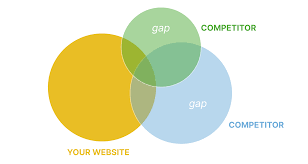
Keyword gap analysis is the process of comparing your website’s keyword profile with that of your competitors to identify missing opportunities. In simple terms, it answers the question: “What keywords are they ranking for that I’m not?” This analysis helps you discover new content ideas, optimize existing pages, and strengthen your overall SEO strategy. It also aligns your content with user intent, which is crucial for ranking higher in modern search algorithms.
Why Keyword Gap Analysis Matters in 2026
As search engines evolve, they increasingly focus on understanding user behavior and intent. This means simply targeting keywords is no longer enough—you must match keyword intent in SEO with real user needs. AI tools make this process faster and more accurate by analyzing massive datasets, identifying patterns, and predicting trends. Additionally, keyword gap analysis helps build a strong topical authority strategy, allowing your website to become a trusted source within your niche. The more comprehensive your coverage, the better your chances of ranking across multiple related queries.
Role of AI in Keyword Gap Analysis
AI has revolutionized how SEO professionals approach keyword research. Instead of manually comparing lists, AI tools can instantly analyze competitors, cluster keywords based on relevance, and even suggest content ideas. These tools can also interpret user intent more effectively, helping you target informational, transactional, and navigational queries with precision. Moreover, AI integrates seamlessly with data platforms like google analytics for seo, allowing you to measure performance and refine your strategy in real time.
Step-by-Step Process to Perform Keyword Gap Analysis Using AI
Step 1: Identify Your Competitors
Start by identifying your top competitors in search results. These may not always be direct business competitors but websites that rank for your target keywords. AI tools can help you find these competitors based on keyword overlap and domain similarity. This step ensures that your analysis is relevant and actionable.
Step 2: Collect Keyword Data
Once you have your competitors, gather their keyword data. AI tools can extract thousands of keywords, including rankings, search volume, and difficulty. This is where comparisons like ahrefs vs SEMrush often come into play, as different tools provide slightly varied insights. Regardless of the tool, focus on collecting comprehensive data for accurate analysis.
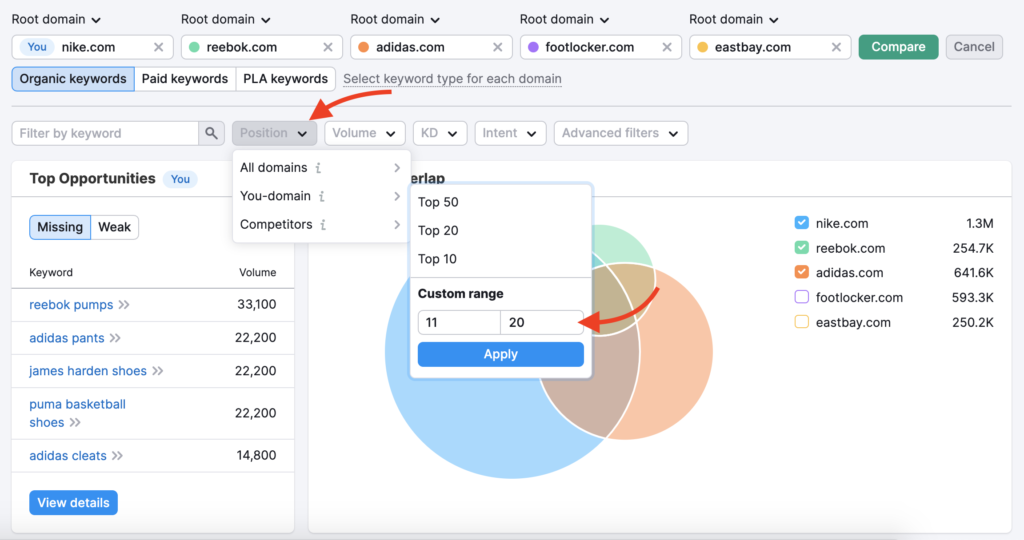
Step 3: Compare Keyword Profiles
Next, compare your keyword profile with your competitors’. AI tools will highlight missing keywords, weak-performing keywords, and opportunities for improvement. Pay close attention to keywords with high traffic potential and low competition. These are often the easiest wins.
Step 4: Analyze Keyword Intent
Understanding keyword intent in SEO is critical at this stage. AI tools categorize keywords based on user intent, helping you decide whether to create blog content, landing pages, or product pages. Aligning your content with user intent ensures better engagement and higher rankings.
Step 5: Prioritize Opportunities
Not all keywords are equal. Use AI insights to prioritize keywords based on search volume, competition, and relevance to your business. Focus on keywords that align with your goals and audience needs. This approach ensures efficient use of time and resources.
Step 6: Create and Optimize Content
After identifying gaps, create high-quality content targeting those keywords. Ensure your content is informative, engaging, and optimized for search engines. Incorporate related terms naturally and structure your content for readability. This is also where a SEMrush SEO workflow can be helpful, guiding you through content optimization and tracking performance.
Integrating Keyword Gap Analysis with Technical SEO
Keyword gap analysis works best when combined with a strong technical foundation. Technical issues like slow page speed, poor site structure, or broken links can prevent your content from ranking, even if you target the right keywords. Tools like google tag manager and their tags can help you track user interactions and optimize performance. By fixing technical issues and improving site usability, you enhance your chances of ranking for newly targeted keywords.
Practical Example of Keyword Gap Analysis
Imagine you run a digital marketing blog. Your competitor ranks for “best SEO strategies for beginners,” but you don’t. AI tools identify this gap and suggest related keywords like “SEO tips for beginners” and “how to learn SEO fast.” By creating a comprehensive guide covering these topics, you can capture that traffic. Over time, this approach helps you build authority and attract more visitors.
Tips to Maximize Results
To get the most out of keyword gap analysis, focus on consistency and quality. Regularly update your analysis to keep up with changing trends. Use AI tools to monitor performance and adjust your strategy as needed. Additionally, combine keyword research with content marketing and technical improvements for the best results. Remember, SEO is a long-term process, and consistent effort leads to sustainable growth.
Common Mistakes to Avoid
One common mistake is targeting too many keywords at once. This can dilute your efforts and reduce effectiveness. Another mistake is ignoring user intent, which can lead to low engagement and poor rankings. Lastly, neglecting technical aspects can hinder your progress, even if your content is excellent. Avoid these pitfalls to achieve better outcomes.
Conclusion
Keyword gap analysis is an essential strategy for staying competitive in 2026. By leveraging AI tools, you can uncover valuable opportunities, align your content with user intent, and improve your search rankings. However, success doesn’t come from keyword research alone. You must combine it with high-quality content, consistent optimization, and a strong foundation in technical SEO. When done correctly, this approach can drive significant traffic and help you achieve long-term growth.