




In today’s competitive digital landscape, building a structured and data-driven SEMrush SEO Workflow is essential for ranking higher and driving consistent organic traffic. Whether you are a beginner or an intermediate marketer, understanding how to move from keyword research to a complete site audit can significantly improve your SEO results. A well-planned workflow not only helps you identify opportunities but also ensures your website aligns with how search engines work and what users actually want. In this guide, we will walk through a step-by-step SEO workflow that covers keyword gaps, content planning, optimization, and technical improvements.
Understanding How Search Engines Work
Before diving into tools and workflows, it’s important to understand how search engines work. Search engines crawl websites, index content, and rank pages based on relevance, authority, and user experience. This means your SEO strategy should focus on creating valuable content, optimizing site structure, and ensuring technical health. When your workflow aligns with these principles, your chances of ranking increase significantly.
Step 1: Identify Keyword Gaps and Opportunities
The first step in any advanced SEO workflow is identifying keyword gaps. This means finding keywords your competitors rank for but you don’t. By analyzing these gaps, you can discover untapped opportunities that can bring traffic quickly. Focus on long-tail keywords with lower competition but high relevance to your niche.
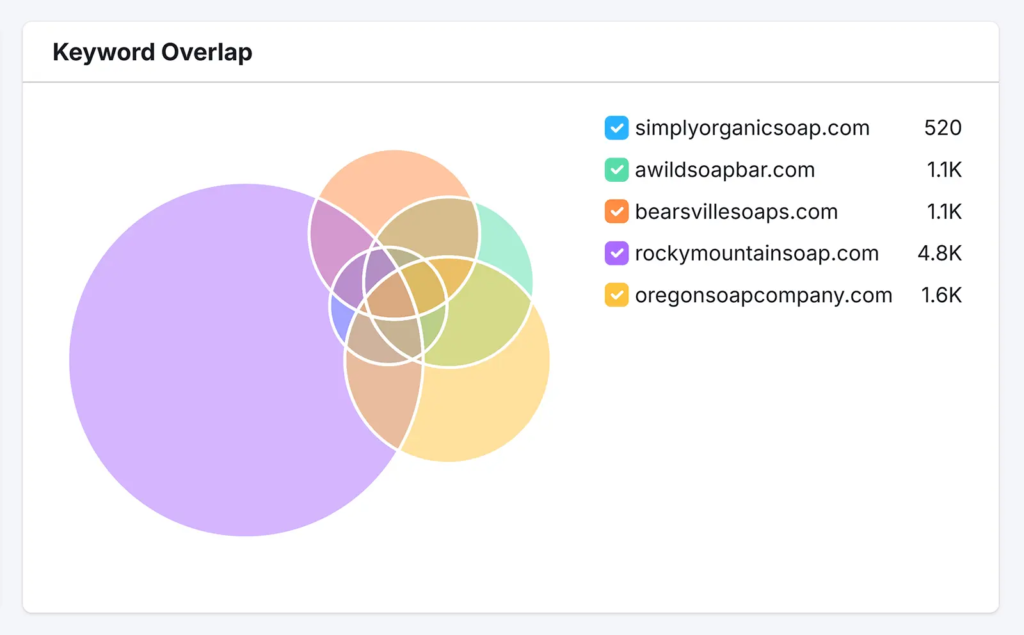
For example, instead of targeting a broad keyword, you can target specific queries that match user intent. This approach helps you attract a more qualified audience and improves conversion rates. Additionally, understanding keyword intent in SEO allows you to create content that directly answers user queries, whether they are informational, navigational, or transactional.
Step 2: Analyze Keyword Intent and User Behavior
Once you have a list of keywords, the next step is to understand user intent. Not all keywords are equal; some users are looking for information, while others are ready to buy. Aligning your content with user intent ensures higher engagement and better rankings.
For instance, if a keyword indicates informational user intent, your content should be educational and detailed. On the other hand, transactional keywords require persuasive and action-driven content. Using tools like google analytics for seo can help you understand how users interact with your content and which pages perform best.
Step 3: Build a Topical Authority Strategy
Creating isolated blog posts is no longer enough. Instead, you need a topical authority strategy that covers an entire subject in depth. This involves creating pillar content and supporting articles that interlink naturally.
For example, if your niche is digital marketing, you can create a main guide and then publish supporting blogs on related subtopics. This structure signals to search engines that your website is an authority in that domain. Over time, this improves your rankings and builds trust with your audience.
Additionally, comparing tools and strategies such as ahrefs vs SEMrush can help you understand different approaches to keyword research and competitor analysis, ultimately strengthening your overall strategy.
Step 4: Optimize On-Page Elements Effectively
On-page SEO is where your keywords and content come together. This includes optimizing titles, meta descriptions, headings, and images. Make sure your primary keyword appears naturally in important areas without overstuffing.
Use clear headings (H2 and H3) to structure your content and improve readability. Short paragraphs and transition words make your content easier to understand. Also, include semantic keywords to enhance relevance and help search engines better understand your content.
For example, instead of repeating the same keyword, use variations and related terms. This improves your chances of ranking for multiple search queries.
Step 5: Strengthen Internal Content Structure
A strong internal content structure helps distribute link equity across your website. While you may not always explicitly add internal links in every piece of content, planning a logical structure is crucial.
Group related content together and ensure users can easily navigate between topics. This not only improves SEO but also enhances user experience. When users spend more time on your site, it signals quality to search engines, which can boost rankings.
Step 6: Conduct a Comprehensive Technical Audit
After content optimization, the next critical step is performing a technical audit. This ensures your website is accessible, fast, and error-free. Common issues include broken links, slow page speed, duplicate content, and improper indexing.
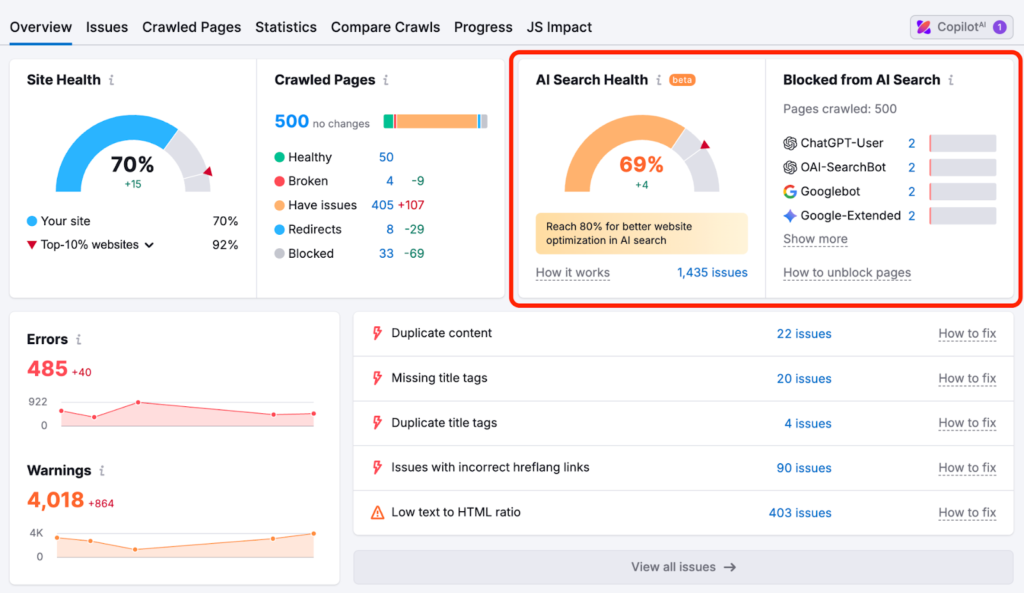
Fixing these issues improves your site’s overall health and helps search engines crawl your pages more efficiently. A well-optimized technical foundation supports all your SEO efforts and prevents ranking drops.
Step 7: Improve Website Performance and Speed
Website speed is a major ranking factor. Slow-loading pages can lead to higher bounce rates and lower user satisfaction. Optimize images, enable caching, and reduce unnecessary scripts to improve loading times.
Additionally, ensure your website is mobile-friendly. With most users accessing content via mobile devices, responsive design is no longer optional. A fast and responsive site improves both user experience and search rankings.
Step 8: Track Performance and Refine Strategy
SEO is not a one-time process; it requires continuous monitoring and improvement. Use analytics tools to track traffic, user behavior, and keyword performance.
By analyzing this data, you can identify what works and what needs improvement. For example, if certain pages have high traffic but low engagement, you can update the content to better match user intent. Regular updates keep your content fresh and relevant.
Conclusion
Building an effective SEMrush SEO Workflow involves more than just keyword research. It requires a structured approach that combines keyword analysis, content strategy, and ongoing optimization. From identifying keyword gaps to building topical authority and improving site performance, each step plays a vital role in your success. Most importantly, don’t overlook technical SEO, as it forms the backbone of your entire strategy. A technically sound website ensures your content is discoverable, accessible, and optimized for both users and search engines. By following this workflow consistently, you can achieve sustainable growth and long-term rankings.