




In today’s digital landscape, understanding user intent is no longer optional—it’s essential for ranking on Search Engines and delivering meaningful results. Whether someone is searching for information, comparing products, or ready to make a purchase, their purpose behind the query determines the kind of content they expect. When you align your content with user intent, you not only improve rankings but also boost engagement, reduce bounce rates, and increase conversions. Let’s explore how intent-driven optimization can transform your SEO performance.
What Is User Intent?
What drives a person to type something into a search box? That motive is called user intent. Simply put, it explains what the searcher really wants. Maybe they need details on a topic. Perhaps they aim to reach one exact site. Buying an item could be their goal instead.
Nowhere near as simple as before, search engines work differently today than ten years ago. Rather than only spotting exact words, they study meaning, user habits, plus how ideas connect. Because of this change, ranking well isn’t tied to keyword stuffing anymore – value matters more. What counts now is answering real questions, not just repeating phrases.
A person typing “how to improve website speed” probably expects tips or clear steps. Yet when someone looks up “buy hosting plan,” their mind is nearly made up. Spotting that shift matters more than it first appears.
The Four Main Types of User Intent
Understanding intent begins with identifying its primary categories. Most search queries fall into one of four types.
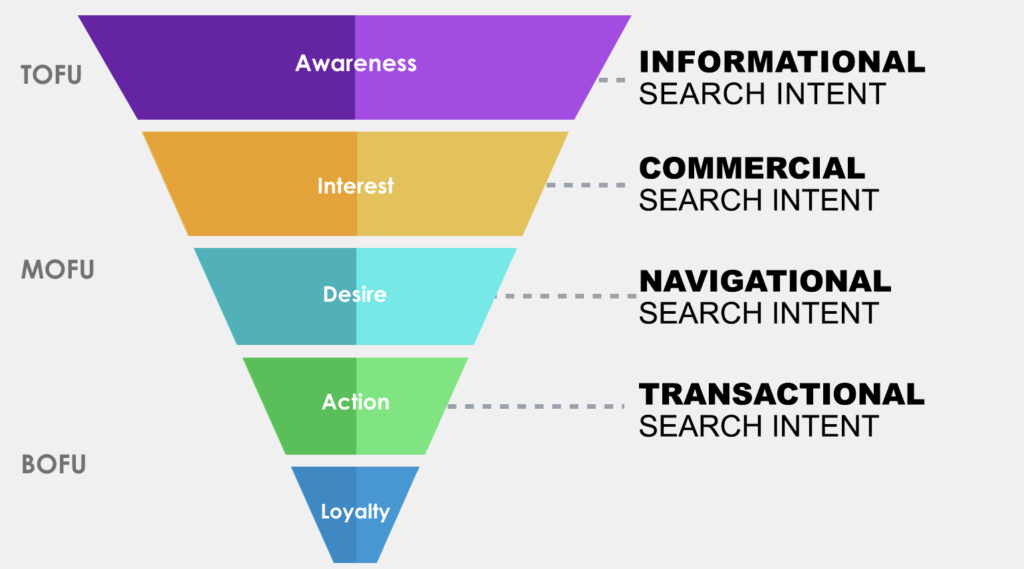
Informational Intent
Users are looking for knowledge. They might search for “what is Technical SEO” or “how does crawling work.” In such cases, blog posts, tutorials, and guides perform well.
Navigational Intent
Here, users want to reach a specific website or page. For example, searching for a particular company’s homepage. Ranking for navigational queries is important if you own that brand.
Commercial Investigation
Users are comparing options before making a decision. Queries like “best Free Keyword Research Tools” show commercial intent but not immediate buying intent.
Transactional Intent
This is the most conversion-focused type. Searches like “buy SEO course online” indicate readiness to act.
By identifying these categories, you can tailor content that satisfies the exact need behind each query.
Why Search Engines Prioritize Intent
When people look things up online, speed matters just as much as accuracy. A page that keeps visitors usually did what they hoped. But if folks leave fast, chances are it missed the mark entirely.
Pages meeting what users actually search for often gain nearly double or triple the attention, reports suggest. Still, newer shifts in how Google ranks things now weigh meaning, surrounding clues, word links, and how people interact more heavily.
Therefore, instead of asking, “What keyword should I use?” a better question is, “What does my audience truly want?”
How to Identify User Intent Effectively
Understanding intent requires research and analysis. Here are practical steps you can follow.
Analyse Search Results
Search your target keyword and examine the top-ranking pages. Are they blogs, product pages, videos, or comparison guides? The format reveals the dominant intent.
Study Related Queries
Look at “People Also Ask” sections and related searches. These give insight into common follow-up questions and deeper user needs.
Use Free Keyword Research Tools
Free Keyword Research Tools help uncover search volume, competition, and related keyword variations. More importantly, they reveal patterns in how users phrase their queries, giving clues about intent.
Evaluate Content Gaps
If top-ranking content lacks certain details, you can fill that gap. This approach not only matches intent but also provides added value.
Optimising Content for Different Intent Types
Once you identify intent, your content strategy should align accordingly.
For informational intent, create in-depth blog posts with step-by-step explanations. Include examples, visuals, and practical tips.
For commercial investigation, write comparison articles and case studies. Highlight benefits, features, and potential drawbacks.
For transactional intent, optimise landing pages with clear calls to action, persuasive copy, and trust signals.
For navigational intent, ensure your website structure is clean and easily accessible.
Additionally, Technical SEO plays a crucial role in delivering intent-matched content effectively.
The Role of Technical SEO in Supporting Intent
Even the best content won’t perform if search engines can’t access it properly. That’s where Technical SEO becomes essential.
Technical SEO ensures your site is optimised for crawling and indexing. Crawling allows search engine bots to discover your pages, while indexing makes them eligible to appear in results.
Fast-loading pages, mobile-friendly design, structured data, and clean site architecture improve user experience and reinforce intent alignment.
For instance, if a user with transactional intent lands on a slow-loading page, they may leave before completing a purchase. Thus, technical optimization directly impacts performance.
Intent-Based Keyword Mapping Strategy
Keyword mapping means assigning specific keywords to specific pages based on intent.
Start by categorizing keywords according to intent type. Then, match each category to the appropriate page format.
For example:
Informational keywords go to blog posts.
Commercial keywords go to comparison guides.
Transactional keywords go to product or service pages.
This structured approach prevents keyword cannibalization and improves clarity for both users and Search Engines.
Common Mistakes to Avoid
Many beginners focus only on keyword volume and ignore intent. This often leads to mismatched content.
Another mistake is keyword stuffing. Repeating terms unnaturally does not improve rankings. Instead, focus on clarity, relevance, and usefulness.
Ignoring analytics data is also risky. Track metrics like bounce rate, average session duration, and conversion rate. These reveal whether your content truly satisfies user needs.
Finally, avoid neglecting Technical SEO fundamentals. Poor site structure can limit visibility, regardless of content quality.
Practical Tips to Improve Intent Alignment
First, always define the goal of each page before writing. Ask yourself: “What action do I want the reader to take?”
Second, use clear headings and logical structure. This improves readability and helps Search Engines understand your content.
Third, update old content regularly. User expectations evolve, and outdated information can hurt trust.
Fourth, combine data and storytelling. Real examples make your content more relatable and credible.
For example, if you’re explaining crawling, describe how search bots navigate links and why broken links can disrupt the process.
Measuring Success of Intent Optimization
Start by watching how organic visits climb over time. Keyword positions matter too, yet user interaction tells a clearer story. What counts most? Whether visitors take meaningful actions on the site.
When info posts pull visitors without interaction, tweak them. Where buying pages attract clicks yet zero purchases occur, sharpen how they ask for action.
Slow gains come from focusing on real user needs. This path grows credibility step by step. Patience shapes results that last. Rewards arrive quietly, yet they stick.
Conclusion
Understanding user intent is the foundation of modern SEO success. By aligning your content with what users genuinely want, you create value that Search Engines reward. From using Free Keyword Research Tools to strengthening Technical SEO and ensuring proper crawling, every step should support intent alignment. Ultimately, mastering Keyword Intent in SEO helps you move beyond surface-level optimization and build a strategy rooted in purpose, relevance, and results.