


Friday, November 20, 2026
Google search engine
Home Blog Page 8

The Rise of Wawa Sizzli: Why Everyone Loves This Breakfast Favorite

0

In recent years, the popularity of sizzli wawa has skyrocketed, turning a simple breakfast item into a cultural favorite. What started as a quick grab-and-go option has now become a morning ritual for thousands of people. Whether you’re rushing to work or just craving something warm and satisfying, this breakfast staple has carved out a special place in daily routines. The growing wawa sizzli craze reflects a broader shift toward convenience, taste, and consistency in breakfast choices. But what exactly makes it so irresistible? Let’s explore.

What’s on the Wawa Breakfast Menu?

The appeal begins with variety. The breakfast menu offers a range of options designed to suit different tastes and preferences. From classic egg-and-cheese combinations to heartier options with sausage or bacon, there’s something for everyone. Each item is crafted to balance flavor and convenience, making it ideal for busy mornings.

Moreover, the menu is designed with simplicity in mind. You don’t need to spend time deciding between dozens of complicated dishes. Instead, you can quickly choose a reliable favorite and get on with your day. This streamlined experience plays a big role in the rise of the sizzli wawa breakfast culture, where speed meets satisfaction.

Additionally, the consistent quality keeps customers coming back. Unlike many breakfast options that vary from day to day, these items deliver the same taste every time. That reliability builds trust and loyalty over time.

The Secret Behind the Wawa Sizzli Craze

So, what fuels the ongoing wawa sizzli craze? It’s a combination of factors that go beyond just taste. First, there’s the convenience factor. In today’s fast-paced world, people want meals that are quick but still enjoyable. This breakfast option fits perfectly into that lifestyle.

Second, the portion size is just right. It’s filling enough to keep you energized but not so heavy that it slows you down. This balance makes it a practical choice for both commuters and casual diners.

Another key factor is accessibility. With locations often open early and stocked with fresh options, it’s easy to grab breakfast whenever you need it. This accessibility has helped build a strong connection between the product and everyday routines.

Don’t Skip the Coffee

No breakfast experience is complete without a good cup of coffee. Pairing your meal with coffee enhances the overall experience and makes it feel more complete. In fact, many people associate their morning coffee ritual directly with their breakfast choice.

Coffee not only complements the flavors but also provides the energy boost needed to start the day. Studies suggest that over 60% of adults rely on coffee as part of their morning routine, making it an essential companion to breakfast. When combined, the meal and coffee create a satisfying and efficient start to the day.

Additionally, the availability of different coffee options allows people to customize their experience. Whether you prefer a strong brew or something lighter, there’s always a choice that fits your taste.

Why I Keep Coming Back

There’s something uniquely comforting about a consistent breakfast option. For many, it’s not just about food—it’s about routine. Having a go-to meal simplifies decision-making and reduces morning stress.

Another reason people keep returning is the emotional connection. A familiar breakfast can evoke a sense of comfort and stability, especially during busy or unpredictable days. This emotional factor often goes unnoticed but plays a significant role in building long-term loyalty.

Furthermore, the balance between quality and affordability makes it a practical choice. You don’t have to compromise on taste while staying within your budget. This combination of value and satisfaction is hard to beat.

Tips to Make the Most of Your Breakfast Experience

To fully enjoy your morning meal, consider a few simple tips. First, try different combinations to find your favorite. Exploring variety can keep your routine fresh and exciting.

Second, pair your meal with the right beverage. As mentioned earlier, coffee is a great option, but you can also experiment with juices or teas depending on your mood.

Third, plan your timing. Arriving during less busy hours can help you avoid crowds and ensure a smoother experience. This small adjustment can make your morning feel more relaxed and enjoyable.

Finally, pay attention to portion sizes. Choosing the right amount can help you stay energized without feeling overly full. This balance is key to maintaining productivity throughout the day.

The Cultural Impact of Sizzli Wawa Breakfast Culture

The rise of the sizzli wawa breakfast culture goes beyond individual preferences. It reflects a broader trend in how people approach food. Convenience, consistency, and quality are becoming more important than ever.

This shift is also influencing other food providers to adapt and improve their offerings. As demand for quick yet satisfying meals grows, more businesses are focusing on delivering similar experiences.

Additionally, social media has played a role in amplifying the trend. People love sharing their favorite meals and routines, which helps spread awareness and attract new fans. This digital influence has further fueled the popularity of this breakfast staple.

Conclusion

The success of this breakfast favorite is no accident. It combines convenience, taste, and reliability in a way that resonates with modern lifestyles. From its diverse menu to its strong connection with daily routines, it continues to win over new fans every day. Ultimately, the growing popularity shows how simple, well-executed ideas can have a lasting impact. It’s easy to see why so many people are Falling for the Wawa Sizzli, turning it into more than just a meal—it’s a morning tradition.

Frequently Asked Questions

Does Wawa still have Sizzlis?
Yes, Sizzlis are still available and remain a core part of the breakfast menu. They continue to be freshly prepared and restocked throughout the morning, making them easily accessible for regular customers.
How much is the Sizzli deal at Wawa?
The price of a Sizzli typically ranges from around $3 to $5, depending on the type and location. Sometimes, combo deals or promotions may offer better value when paired with coffee or other beverages.
What is the history of Wawa?
Wawa started as a small dairy business in the early 20th century before expanding into convenience stores. Over time, it evolved into a popular destination for fresh food and beverages, with breakfast items like Sizzlis becoming a signature offering.

Why Sizzli Wawa Is Dominating Quick Breakfast Culture in 2026

0

If you’re someone who loves quick, satisfying breakfast options, then sizzli wawa has likely caught your attention. Known for its convenient, grab-and-go appeal, this style of breakfast sandwich has become a favorite among busy individuals who want something warm, flavorful, and filling without spending too much time preparing it. In today’s fast-paced world, having a reliable breakfast option that balances taste and convenience is essential. This blog will walk you through everything you need to know—from what makes these sandwiches special to tips for choosing the best option for your routine.

What Makes These Breakfast Sandwiches So Popular

The popularity of this breakfast option lies in its simplicity and consistency. People want something they can trust every morning, and these sandwiches deliver exactly that. They typically combine classic ingredients like eggs, cheese, and protein in a soft bun or bread, creating a balanced meal in just a few bites.

Another reason for their success is accessibility. Whether you’re commuting to work or heading to class, these sandwiches are designed to be eaten on the go. Additionally, they cater to a wide range of preferences, offering different variations that suit both meat lovers and those looking for lighter options.

Ingredients That Create the Perfect Bite

A great breakfast sandwich is all about the right combination of ingredients. The base usually includes freshly cooked eggs, which provide protein and a rich texture. Cheese adds creaminess and enhances the overall flavor, while the bread acts as the foundation that holds everything together.

Protein options vary widely, allowing you to customize your experience. From classic choices to more health-conscious alternatives, there’s something for everyone. The secret lies in maintaining balance—too much of one ingredient can overpower the others, while a well-balanced sandwich offers a satisfying bite every time.

Nutritional Value and What to Consider

While these sandwiches are convenient, it’s important to understand their nutritional value. Most breakfast sandwiches provide a decent amount of protein, which helps keep you full throughout the morning. However, they can also be high in calories, sodium, or fat depending on the ingredients used.

For those who are health-conscious, choosing options with whole-grain bread, lean protein, and reduced-fat cheese can make a big difference. Moderation is key. Pairing your sandwich with a fruit or a low-calorie beverage can also help create a more balanced meal.

Why Convenience Matters in Today’s Lifestyle

In modern life, convenience often determines food choices. Many people skip breakfast simply because they don’t have the time to prepare it. This is where ready-made breakfast sandwiches become incredibly valuable.

They save time without compromising on taste, making them a practical choice for busy mornings. Additionally, they reduce the stress of meal planning, especially for individuals juggling multiple responsibilities. Having a dependable breakfast option ensures you start your day with energy and focus.

Tips for Choosing the Best Breakfast Sandwich

Selecting the right breakfast sandwich can enhance your overall experience. Start by considering your dietary needs. If you’re trying to reduce calories, opt for lighter versions with fewer processed ingredients.

Next, pay attention to portion size. A sandwich that’s too heavy may leave you feeling sluggish, while a well-portioned one provides sustained energy. Lastly, consider freshness. A freshly prepared sandwich always tastes better and retains its texture compared to one that has been sitting for too long.

How These Sandwiches Fit Into a Balanced Diet

Contrary to common belief, breakfast sandwiches can be part of a healthy lifestyle when consumed thoughtfully. They offer essential nutrients like protein, carbohydrates, and fats, which are necessary for a balanced diet.

The key is to incorporate them wisely. For example, if you’re having a heavier breakfast sandwich, you might choose lighter meals for lunch and dinner. This approach helps maintain overall nutritional balance without sacrificing convenience or taste.

Common Misconceptions About Breakfast Sandwiches

Many people assume that all breakfast sandwiches are unhealthy, but this isn’t entirely true. While some options may be high in calories, others are designed with healthier ingredients.

Another misconception is that they lack variety. In reality, there are numerous combinations available, allowing you to switch things up based on your preferences. Understanding these misconceptions can help you make more informed choices.

Practical Examples for Everyday Use

Imagine you have a busy morning with little time to cook. Grabbing a ready-made breakfast sandwich ensures you don’t skip your meal. Similarly, if you’re traveling or heading to an early meeting, having a portable breakfast option can make your day much smoother.

Students, professionals, and even fitness enthusiasts can benefit from these sandwiches when used strategically. The versatility they offer makes them suitable for a wide range of lifestyles.

Conclusion

In conclusion, breakfast sandwiches remain a practical and satisfying choice for people who value both taste and convenience. By understanding their ingredients, nutritional value, and how to choose the right option, you can make them a smart part of your daily routine. Whether you’re rushing out the door or simply want a quick meal, these sandwiches deliver consistent results. Ultimately, incorporating wawa sizzli sandwiches into your routine thoughtfully can help you maintain a balanced and enjoyable breakfast habit.

Frequently Asked Questions

Are Wawa Sizzlis healthy?
Wawa Sizzlis can be moderately healthy depending on the option you choose. They usually provide a good amount of protein from eggs and meat, which helps keep you full. However, some varieties may be high in calories, sodium, and fat. If you want a healthier choice, go for options with fewer processed ingredients, less cheese, or lighter protein sources, and balance it with a healthy overall diet.
How much is the Sizzli deal at Wawa?
The price of a Sizzli typically ranges between $3 to $6 depending on the type of sandwich and location. Combo deals or limited-time offers may provide better value, especially when paired with a beverage. Prices can vary slightly, so it’s always best to check the latest in-store or app pricing.
What are the different Sizzli options?
There are several Sizzli options available to suit different tastes. Common choices include egg and cheese, sausage, bacon, turkey sausage, and sometimes plant-based variations. These can come on different types of bread such as biscuits, bagels, or croissants, allowing you to pick based on your preference and dietary needs.

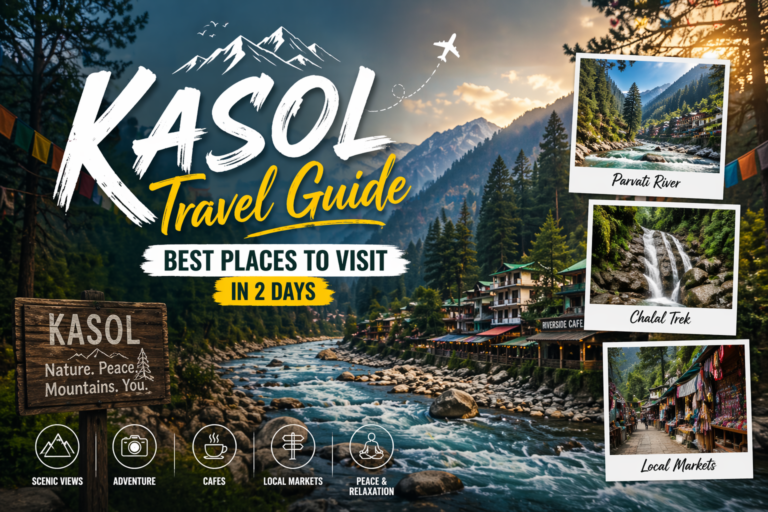
Kasol Travel Guide: Best Places to Visit in 2 Days

0

Nestled in the serene hills of Kasol, this charming destination has become a favorite among backpackers, nature lovers, and weekend travelers. If you’re planning a short getaway, exploring the places to visit in Kasol in 2 days is absolutely possible with the right itinerary. Surrounded by lush greenery, flowing rivers, and peaceful vibes, Kasol offers the perfect balance of relaxation and adventure. Whether you’re a beginner traveler or someone with experience, this guide will help you make the most of your 2-day trip.

Why Visit Kasol for a Short Trip?

Kasol is often called the “Mini Israel of India” and lies in the beautiful Parvati Valley. What makes it special is its simplicity—no crowded tourist chaos, just nature, cafes, and scenic trails. Compared to destinations like Manali or Shimla, Kasol is quieter and more budget-friendly. In fact, a Kasol trip budget for 3 days can be significantly lower than a typical Manali trip cost from Delhi, making it ideal for young travelers and solo explorers.

Day 1: Explore Kasol and Nearby Attractions

Start your journey with a walk along the Parvati River, which is the heart of Kasol. The riverside views are breathtaking, especially in the morning when the mist slowly clears from the mountains. Spend some time exploring local markets and trying out Israeli cuisine, which is popular here.

Next, head to Chalal Village, a peaceful village just a 30-minute trek from Kasol. The trail is easy and perfect for beginners. Surrounded by pine forests, Chalal is ideal for relaxing and enjoying nature away from the crowds.

In the evening, explore Kasol’s café culture and interact with fellow travelers. This social aspect adds a unique charm to your trip and gives you insights into travel experiences like a Shimla itinerary 2 days trip plan or even a Manali itinerary 3 days budget trip, which many backpackers combine with Kasol.

Day 2: Trek to Tosh and Explore Nature

On your second day, plan a visit to Tosh, located about 20 km from Kasol. Tosh offers stunning panoramic views of snow-capped mountains and is less crowded than Kasol. The journey itself is scenic, with winding roads and river views.

You can also explore Kheerganga Trek if you’re up for a slightly challenging adventure. Known for its natural hot water springs, Kheerganga is a favorite among trekkers. Although it requires more time, even a partial trek gives you a taste of the region’s beauty.

For those who prefer a relaxed itinerary, simply walking around Tosh, clicking photos, and enjoying the calm atmosphere is enough to make your day memorable.

Best Time to Visit Kasol

Kasol is a year-round destination, but the best time depends on your preferences. If you enjoy pleasant weather, visit between March and June. For snow lovers, December to February is ideal, similar to the best time to visit Manali snowfall season.

However, avoid the monsoon months (July–August) as landslides and heavy rains can disrupt travel plans. Compared to destinations included in a Spiti Valley itinerary 5 days, Kasol is much more accessible and less risky during most seasons.

Budget Tips for Your Kasol Trip

Traveling to Kasol doesn’t have to be expensive. You can easily manage your expenses with some smart planning. Budget travelers often spend between ₹4,000–₹7,000 for a Kasol trip budget for 3 days, including accommodation, food, and local travel.

If you’ve explored options like cheap hotels in Shimla under 1000, you’ll find similar or even better deals in Kasol. Homestays and hostels are widely available and offer comfortable stays at affordable prices.

Additionally, local food is reasonably priced, and trekking activities are mostly free, making Kasol a cost-effective destination compared to more commercial hill stations.

Travel Tips for First-Time Visitors

If this is your first visit to Kasol, keep a few things in mind. Always carry cash, as ATM availability is limited. Pack light but include essentials like warm clothing, even during summer, as temperatures can drop at night.

Moreover, respect local culture and nature. Avoid littering and follow eco-friendly practices. Many travelers combine Kasol with nearby destinations, so if you’re planning a longer trip, you can extend your journey to places included in a Manali itinerary 3 days budget trip or even explore beyond.

Conclusion

Kasol is more than just a destination—it’s an experience that blends nature, adventure, and peace. From riverside walks to scenic treks and cozy cafes, this small village offers everything you need for a perfect 2-day escape. Whether you’re traveling solo, with friends, or as a couple, Kasol will leave you refreshed and inspired. If you’re someone who loves exploring offbeat destinations, Kasol also opens the door to discovering hidden places in Himachal Pradesh that are untouched and equally mesmerizing. So pack your bags and get ready to experience the magic of the mountains.

Frequently Asked Questions

What are the best places to visit in Kasol in 2 days?
The best places include Kasol market, Parvati River, Chalal Village, Tosh, and Kheerganga trek for adventure lovers.
Is 2 days enough for Kasol trip?
Yes, 2 days are sufficient to explore the main attractions and nearby villages if you plan your itinerary properly.
What is the average Kasol trip budget for 3 days?
A budget trip usually costs between ₹4,000–₹7,000 depending on accommodation and travel preferences.
How can I reach Kasol?
You can reach Kasol via bus or taxi from Bhuntar, which is the nearest town with connectivity to major cities.
Is Kasol safe for solo travelers?
Yes, Kasol is generally safe for solo travelers, especially backpackers, but basic precautions should always be followed.

7 Offbeat Places Near Manali That Tourists Don’t Know

0

If you’ve already explored the crowded cafes and viewpoints of Manali, it’s time to discover something different. There are several offbeat places near Manali that remain untouched by heavy tourism and offer raw natural beauty, peaceful vibes, and unique experiences. Whether you’re planning a quick escape or adding hidden gems to your Manali itinerary 3 days budget trip, these lesser-known destinations will elevate your travel experience. Moreover, exploring such places helps you avoid crowds while enjoying authentic Himachali culture.

1. Sethan Valley – The Silent Snow Village

Just 12 km from Manali, Sethan Valley is a quiet Buddhist village known for its snow-covered landscapes in winter. Unlike Solang Valley, it remains peaceful and less commercialized. During the best time to visit Manali snowfall, Sethan transforms into a winter wonderland perfect for skiing and igloo stays. Even in summer, the valley offers stunning views of the Dhauladhar range. If you’re looking for solitude and scenic beauty, Sethan is a must-visit.

2. Hampta Village – Gateway to Adventure

Located near the famous Hampta Pass, Hampta Village is often overlooked by tourists heading straight for trekking routes. However, the village itself is a hidden gem surrounded by lush greenery and traditional wooden houses. It’s ideal for those planning a Spiti Valley itinerary 5 days, as it serves as a starting point for adventurous journeys. The calm environment makes it perfect for nature lovers and photographers.

3. Jana Waterfall – Nature’s Hidden Retreat

Around 35 km from Manali, Jana Waterfall is tucked inside a small village surrounded by apple orchards and deodar forests. The short trek to the waterfall is easy and enjoyable, making it suitable for beginners. What makes it special is the peaceful atmosphere and local Himachali food served in nearby dhabas. Compared to popular waterfalls, this spot remains less crowded and more authentic.

4. Soil Village – A Cultural Escape

Soil Village, located near Naggar, offers a glimpse into traditional Himachali life. Unlike typical tourist spots, this village focuses on sustainability and eco-tourism. You can stay in mud houses, enjoy organic food, and participate in farming activities. It’s a great addition if you’re calculating your Manali trip cost from Delhi and want a budget-friendly yet meaningful experience. The slow-paced lifestyle here helps you disconnect from the chaos of city life.

5. Gulaba – Beyond the Tourist Rush

Often mistaken as just a checkpoint on the way to Rohtang Pass, Gulaba is actually a beautiful destination in itself. Surrounded by dense forests and open meadows, it offers breathtaking views without the heavy crowd of Rohtang. During winters, the area is covered in snow, making it perfect for photography and peaceful walks. It’s an excellent alternative for those who want snow experiences without the hassle.

6. Malana – The Ancient Isolated Village

Known for its unique culture and traditions, Malana is one of the most intriguing villages near Manali. The village follows its own rules and customs, making it completely different from mainstream tourist destinations. While visiting, you must respect local guidelines and avoid touching structures. If you’re planning places to visit in Kasol in 2 days, Malana can be a fascinating addition to your itinerary.

7. Tirthan Valley – A Hidden Paradise

Located about 90 km from Manali, Tirthan Valley is a paradise for nature lovers. It’s part of the Great Himalayan National Park and offers activities like trout fishing, trekking, and riverside camping. Unlike crowded hill stations, Tirthan Valley provides a peaceful escape with pristine landscapes. It’s perfect for travelers who want to explore beyond typical tourist routes.

Travel Tips for Exploring Offbeat Places

When visiting these lesser-known spots, planning becomes crucial. Always carry cash, as digital payments may not work in remote areas. Additionally, start your journey early to avoid roadblocks and enjoy daylight views. If you’re on a budget, combine your trip with nearby destinations like Kasol or Shimla. For example, you can plan a Kasol trip budget for 3 days or even extend your journey with a Shimla itinerary 2 days trip plan. Budget travelers can also find cheap hotels in Shimla under 1000, making the overall trip more affordable.

Another important tip is to travel responsibly. Avoid littering, respect local traditions, and support small businesses. These small actions help preserve the beauty of these hidden destinations.

Why Choose Offbeat Travel Near Manali

Exploring offbeat destinations offers a completely different experience compared to mainstream tourism. You get to enjoy untouched nature, interact with locals, and experience authentic culture. Additionally, these places are often more budget-friendly, helping you manage your overall Manali trip cost from Delhi efficiently. Whether you’re a solo traveler, couple, or group, offbeat travel ensures memorable and unique experiences.

Conclusion

Manali is not just about crowded markets and popular viewpoints. The real magic lies in the unexplored corners surrounding it. From peaceful valleys to culturally rich villages, these destinations redefine travel in the mountains. By visiting these offbeat places near Manali, you not only escape the crowds but also discover the true essence of Himachal. If you’re passionate about exploring hidden places in Himachal Pradesh, these spots should definitely be on your travel list.

Frequently Asked Questions

What are the best offbeat places near Manali?
Some of the best options include Sethan Valley, Hampta Village, Jana Waterfall, Soil Village, Gulaba, Malana, and Tirthan Valley.
What is the best time to visit these places?
Winter is ideal for snow lovers, while summer offers greenery and pleasant weather for trekking and sightseeing.
Are offbeat places near Manali budget-friendly?
Yes, most of these places are affordable and help reduce your overall travel expenses compared to popular tourist spots.
Is it safe to travel to these hidden locations?
Yes, but it’s important to follow local guidelines, travel during daylight, and stay prepared for limited connectivity.
Can I include these places in a short Manali trip?
Absolutely, many of these destinations can be covered in a Manali itinerary 3 days budget trip with proper planning.

10 Hidden Places in Himachal Pradesh You Must Visit in 2026

0

If you think Himachal Pradesh is only about crowded hill stations like Manali and Shimla, it’s time to explore beyond the usual. There are countless hidden places in Himachal Pradesh that remain untouched, offering raw beauty, peaceful surroundings, and authentic experiences. These destinations are perfect for travelers who want to avoid crowds and discover nature in its purest form. In 2026, as travel trends shift toward offbeat tourism, these lesser-known gems are gaining popularity among explorers and bloggers alike.

Why Explore Hidden Places in Himachal Pradesh

Exploring offbeat destinations not only gives you a peaceful experience but also helps you connect more deeply with local culture and nature. Unlike mainstream spots, these hidden places are less commercialized, meaning you can enjoy scenic landscapes, local traditions, and budget-friendly stays. Moreover, if you are planning trips like a Manali itinerary 3 days budget trip or searching for cheap hotels in Shimla under 1000, combining them with nearby hidden spots can make your journey more unique and cost-effective.

1. Jibhi – The Mini Thailand of India

Nestled in the Tirthan Valley, Jibhi is known for its lush greenery and wooden cottages. The calm rivers, hidden waterfalls, and serene vibe make it perfect for nature lovers. It is still relatively unexplored, making it ideal for a peaceful getaway.

2. Chitkul – The Last Village of India

Located near the Indo-Tibet border, Chitkul offers breathtaking views of snow-covered mountains and the Baspa River. It is often included in extended travel plans like a Spiti Valley itinerary 5 days, making it a perfect stop for adventure seekers.

3. Kalga – A Quiet Escape Near Kasol

Close to Kasol, Kalga is a peaceful village surrounded by apple orchards and pine forests. If you’re researching places to visit in Kasol in 2 days, Kalga should definitely be on your list for a calm and scenic retreat.

4. Barot Valley – Hidden Paradise for Nature Lovers

Barot Valley is a hidden treasure known for trout fishing, scenic landscapes, and trekking trails. It’s a perfect alternative for those who want to skip crowded tourist spots and enjoy a laid-back vacation.

5. Tirthan Valley – Perfect for Adventure & Peace

Tirthan Valley is gaining attention for eco-tourism and adventure activities like trekking and river crossing. It is also close to the Great Himalayan National Park, a UNESCO World Heritage Site, making it a must-visit for wildlife lovers.

6. Komic – One of the Highest Villages in the World

Situated in Spiti Valley, Komic offers a unique experience of living in one of the world’s highest motorable villages. The landscapes here are surreal and perfect for photography enthusiasts.

7. Shoja – A Peaceful Himalayan Hamlet

Shoja is a small village offering panoramic views of the Himalayas. It is less crowded than nearby tourist spots and is ideal for camping, trekking, and relaxing in nature.

8. Rakcham – A Hidden Gem Near Chitkul

Rakcham lies between Sangla and Chitkul and is often overlooked by tourists. However, its lush meadows and river views make it one of the most beautiful hidden places in the region.

9. Malana – The Ancient Village

Malana is famous for its unique culture and traditions. The village operates on its own set of rules and is believed to be one of the oldest democracies in the world. It’s a must-visit for those interested in history and culture.

10. Pangi Valley – The Untouched Frontier

Pangi Valley is one of the most remote regions in Himachal Pradesh. Due to its difficult accessibility, it remains largely unexplored, offering untouched beauty and authentic local experiences.

Travel Tips for Exploring Hidden Places

When visiting these destinations, planning is key. Always check road conditions, especially during winters, as many routes can be blocked due to snowfall. The best time to visit Manali snowfall is between December and February, but for hidden places, summer and early autumn are often better. Budget planning is also essential; for example, understanding your Manali trip cost from Delhi or estimating a Kasol trip budget for 3 days can help you manage expenses efficiently.

How to Plan Your Himachal Trip

To make the most of your trip, combine popular destinations with hidden ones. For example, you can follow a Shimla itinerary 2 days trip plan and then explore nearby offbeat villages. Similarly, while planning a Spiti trip, include remote villages like Komic or Langza for a more enriching experience. This approach ensures a balance between comfort and adventure.

Conclusion

Himachal Pradesh is much more than its famous tourist spots. These hidden destinations offer a perfect mix of adventure, peace, and cultural richness. Whether you are planning a short trip or an extended vacation, exploring these places will give you a completely different perspective of the Himalayas. If you are someone who loves discovering unique locations, then these spots—especially the offbeat places near Manali—should definitely be on your 2026 travel list.

Frequently Asked Questions

What are the best hidden places in Himachal Pradesh for beginners?
Jibhi, Tirthan Valley, and Shoja are great options for beginners due to easy accessibility and comfortable stays.
Is it safe to travel to offbeat places in Himachal Pradesh?
Yes, but always check weather conditions, road accessibility, and carry essential supplies, especially in remote areas.
What is the best time to visit hidden places in Himachal Pradesh?
March to June and September to November are ideal for most hidden destinations due to pleasant weather and clear roads.
Are these places budget-friendly?
Yes, many hidden places offer affordable stays and food options, making them ideal for budget travelers.
Can I include these places in a short trip?
Absolutely, many of these destinations can be added to short itineraries like Manali or Kasol trips for a more unique experience.

SEMrush Advanced SEO Workflow: From Keyword Gap to Technical Audit

In today’s competitive digital landscape, building a structured and data-driven SEMrush SEO Workflow is essential for ranking higher and driving consistent organic traffic. Whether you are a beginner or an intermediate marketer, understanding how to move from keyword research to a complete site audit can significantly improve your SEO results. A well-planned workflow not only helps you identify opportunities but also ensures your website aligns with how search engines work and what users actually want. In this guide, we will walk through a step-by-step SEO workflow that covers keyword gaps, content planning, optimization, and technical improvements.

Understanding How Search Engines Work

Before diving into tools and workflows, it’s important to understand how search engines work. Search engines crawl websites, index content, and rank pages based on relevance, authority, and user experience. This means your SEO strategy should focus on creating valuable content, optimizing site structure, and ensuring technical health. When your workflow aligns with these principles, your chances of ranking increase significantly.

Step 1: Identify Keyword Gaps and Opportunities

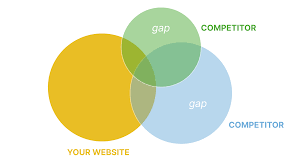
The first step in any advanced SEO workflow is identifying keyword gaps. This means finding keywords your competitors rank for but you don’t. By analyzing these gaps, you can discover untapped opportunities that can bring traffic quickly. Focus on long-tail keywords with lower competition but high relevance to your niche.

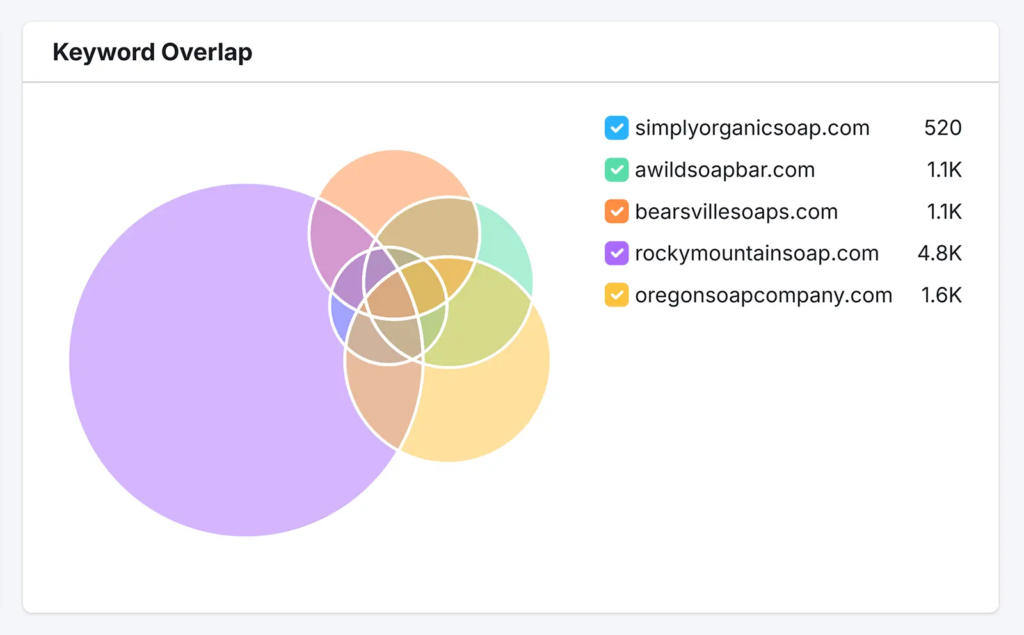
Keyword Gap

For example, instead of targeting a broad keyword, you can target specific queries that match user intent. This approach helps you attract a more qualified audience and improves conversion rates. Additionally, understanding keyword intent in SEO allows you to create content that directly answers user queries, whether they are informational, navigational, or transactional.

Step 2: Analyze Keyword Intent and User Behavior

Once you have a list of keywords, the next step is to understand user intent. Not all keywords are equal; some users are looking for information, while others are ready to buy. Aligning your content with user intent ensures higher engagement and better rankings.

For instance, if a keyword indicates informational user intent, your content should be educational and detailed. On the other hand, transactional keywords require persuasive and action-driven content. Using tools like google analytics for seo can help you understand how users interact with your content and which pages perform best.

Step 3: Build a Topical Authority Strategy

Creating isolated blog posts is no longer enough. Instead, you need a topical authority strategy that covers an entire subject in depth. This involves creating pillar content and supporting articles that interlink naturally.

For example, if your niche is digital marketing, you can create a main guide and then publish supporting blogs on related subtopics. This structure signals to search engines that your website is an authority in that domain. Over time, this improves your rankings and builds trust with your audience.

Additionally, comparing tools and strategies such as ahrefs vs SEMrush can help you understand different approaches to keyword research and competitor analysis, ultimately strengthening your overall strategy.

Step 4: Optimize On-Page Elements Effectively

On-page SEO is where your keywords and content come together. This includes optimizing titles, meta descriptions, headings, and images. Make sure your primary keyword appears naturally in important areas without overstuffing.

Use clear headings (H2 and H3) to structure your content and improve readability. Short paragraphs and transition words make your content easier to understand. Also, include semantic keywords to enhance relevance and help search engines better understand your content.

For example, instead of repeating the same keyword, use variations and related terms. This improves your chances of ranking for multiple search queries.

Step 5: Strengthen Internal Content Structure

A strong internal content structure helps distribute link equity across your website. While you may not always explicitly add internal links in every piece of content, planning a logical structure is crucial.

Group related content together and ensure users can easily navigate between topics. This not only improves SEO but also enhances user experience. When users spend more time on your site, it signals quality to search engines, which can boost rankings.

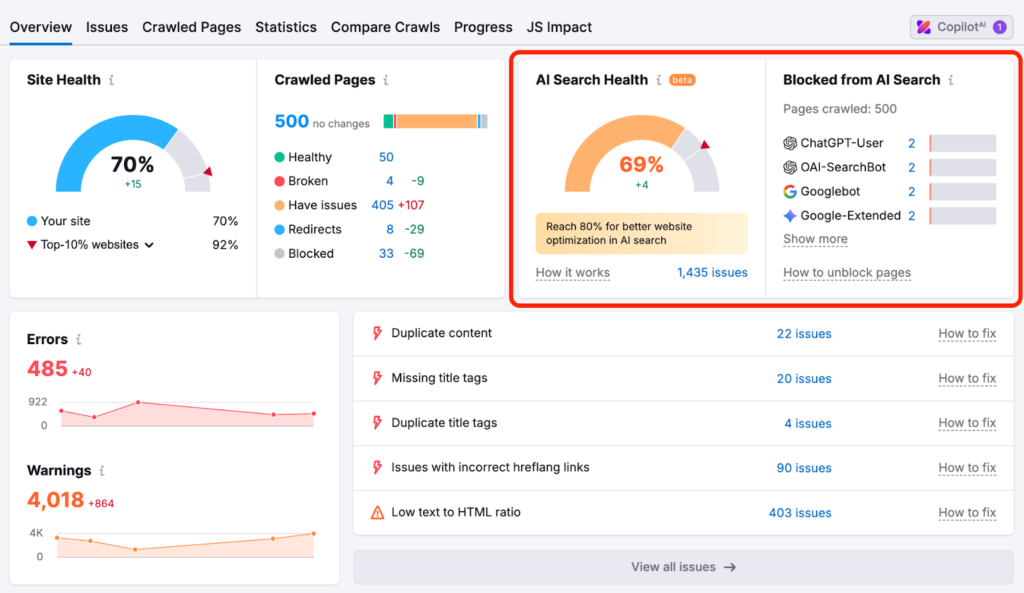
Step 6: Conduct a Comprehensive Technical Audit

After content optimization, the next critical step is performing a technical audit. This ensures your website is accessible, fast, and error-free. Common issues include broken links, slow page speed, duplicate content, and improper indexing.

SEO Workflow

Fixing these issues improves your site’s overall health and helps search engines crawl your pages more efficiently. A well-optimized technical foundation supports all your SEO efforts and prevents ranking drops.

Step 7: Improve Website Performance and Speed

Website speed is a major ranking factor. Slow-loading pages can lead to higher bounce rates and lower user satisfaction. Optimize images, enable caching, and reduce unnecessary scripts to improve loading times.

Additionally, ensure your website is mobile-friendly. With most users accessing content via mobile devices, responsive design is no longer optional. A fast and responsive site improves both user experience and search rankings.

Step 8: Track Performance and Refine Strategy

SEO is not a one-time process; it requires continuous monitoring and improvement. Use analytics tools to track traffic, user behavior, and keyword performance.

By analyzing this data, you can identify what works and what needs improvement. For example, if certain pages have high traffic but low engagement, you can update the content to better match user intent. Regular updates keep your content fresh and relevant.

Conclusion

Building an effective SEMrush SEO Workflow involves more than just keyword research. It requires a structured approach that combines keyword analysis, content strategy, and ongoing optimization. From identifying keyword gaps to building topical authority and improving site performance, each step plays a vital role in your success. Most importantly, don’t overlook technical SEO, as it forms the backbone of your entire strategy. A technically sound website ensures your content is discoverable, accessible, and optimized for both users and search engines. By following this workflow consistently, you can achieve sustainable growth and long-term rankings.

Frequently Asked Questions

What is an SEO workflow?
An SEO workflow is a structured process that includes keyword research, content creation, optimization, and performance tracking to improve website rankings.
Why is keyword intent important in SEO?
Keyword intent helps you understand what users are searching for, allowing you to create content that matches their needs and improves engagement.
How often should I perform a technical audit?
It is recommended to perform a technical audit at least once every 1–3 months to identify and fix issues that may affect your rankings.
What is a topical authority strategy?
A topical authority strategy involves creating comprehensive content around a specific subject to establish your website as an expert in that niche.
How can I track SEO performance effectively?
You can track SEO performance using analytics tools that monitor traffic, user behavior, and keyword rankings, helping you refine your strategy over time.

How to Do Keyword Gap Analysis Using AI Tools in 2026

In today’s competitive digital landscape, Keyword Gap Analysis has become one of the most powerful strategies to uncover missed ranking opportunities and outperform competitors. As search engines work more intelligently than ever, relying on AI-driven insights can help you identify exactly which keywords your competitors rank for—but you don’t. Whether you’re a beginner or an intermediate marketer, understanding how to combine AI tools with strategic thinking can significantly improve your SEO performance. This guide will walk you through the complete process in a simple, actionable way.

What is Keyword Gap Analysis?

Keyword gap analysis is the process of comparing your website’s keyword profile with that of your competitors to identify missing opportunities. In simple terms, it answers the question: “What keywords are they ranking for that I’m not?” This analysis helps you discover new content ideas, optimize existing pages, and strengthen your overall SEO strategy. It also aligns your content with user intent, which is crucial for ranking higher in modern search algorithms.

Why Keyword Gap Analysis Matters in 2026

As search engines evolve, they increasingly focus on understanding user behavior and intent. This means simply targeting keywords is no longer enough—you must match keyword intent in SEO with real user needs. AI tools make this process faster and more accurate by analyzing massive datasets, identifying patterns, and predicting trends. Additionally, keyword gap analysis helps build a strong topical authority strategy, allowing your website to become a trusted source within your niche. The more comprehensive your coverage, the better your chances of ranking across multiple related queries.

Role of AI in Keyword Gap Analysis

AI has revolutionized how SEO professionals approach keyword research. Instead of manually comparing lists, AI tools can instantly analyze competitors, cluster keywords based on relevance, and even suggest content ideas. These tools can also interpret user intent more effectively, helping you target informational, transactional, and navigational queries with precision. Moreover, AI integrates seamlessly with data platforms like google analytics for seo, allowing you to measure performance and refine your strategy in real time.

Step-by-Step Process to Perform Keyword Gap Analysis Using AI

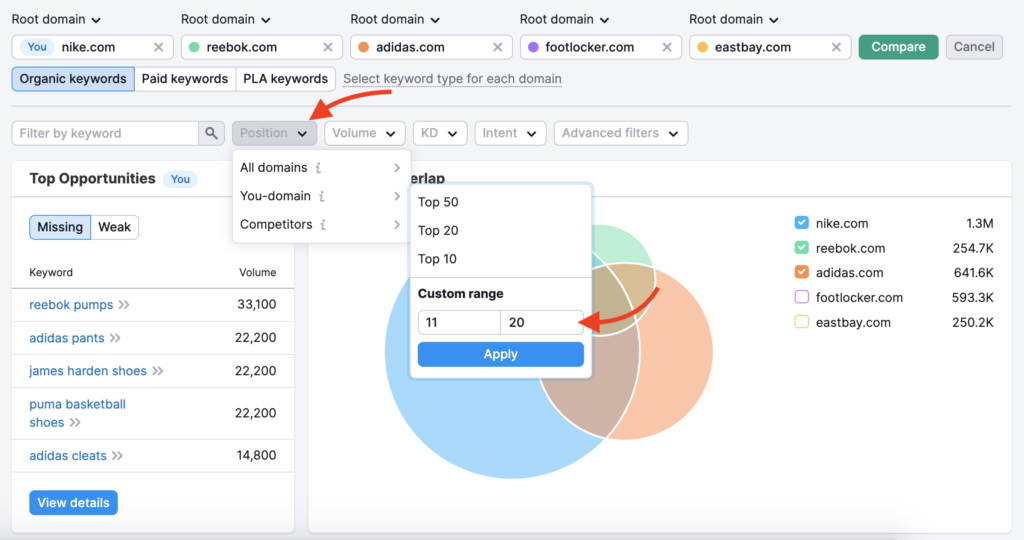
Keyword Gap positions filter

Step 1: Identify Your Competitors

Start by identifying your top competitors in search results. These may not always be direct business competitors but websites that rank for your target keywords. AI tools can help you find these competitors based on keyword overlap and domain similarity. This step ensures that your analysis is relevant and actionable.

Step 2: Collect Keyword Data

Once you have your competitors, gather their keyword data. AI tools can extract thousands of keywords, including rankings, search volume, and difficulty. This is where comparisons like ahrefs vs SEMrush often come into play, as different tools provide slightly varied insights. Regardless of the tool, focus on collecting comprehensive data for accurate analysis.

Step 3: Compare Keyword Profiles

Next, compare your keyword profile with your competitors’. AI tools will highlight missing keywords, weak-performing keywords, and opportunities for improvement. Pay close attention to keywords with high traffic potential and low competition. These are often the easiest wins.

Step 4: Analyze Keyword Intent

Understanding keyword intent in SEO is critical at this stage. AI tools categorize keywords based on user intent, helping you decide whether to create blog content, landing pages, or product pages. Aligning your content with user intent ensures better engagement and higher rankings.

Step 5: Prioritize Opportunities

Not all keywords are equal. Use AI insights to prioritize keywords based on search volume, competition, and relevance to your business. Focus on keywords that align with your goals and audience needs. This approach ensures efficient use of time and resources.

Step 6: Create and Optimize Content

After identifying gaps, create high-quality content targeting those keywords. Ensure your content is informative, engaging, and optimized for search engines. Incorporate related terms naturally and structure your content for readability. This is also where a SEMrush SEO workflow can be helpful, guiding you through content optimization and tracking performance.

Integrating Keyword Gap Analysis with Technical SEO

Keyword gap analysis works best when combined with a strong technical foundation. Technical issues like slow page speed, poor site structure, or broken links can prevent your content from ranking, even if you target the right keywords. Tools like google tag manager and their tags can help you track user interactions and optimize performance. By fixing technical issues and improving site usability, you enhance your chances of ranking for newly targeted keywords.

Practical Example of Keyword Gap Analysis

Imagine you run a digital marketing blog. Your competitor ranks for “best SEO strategies for beginners,” but you don’t. AI tools identify this gap and suggest related keywords like “SEO tips for beginners” and “how to learn SEO fast.” By creating a comprehensive guide covering these topics, you can capture that traffic. Over time, this approach helps you build authority and attract more visitors.

Tips to Maximize Results

To get the most out of keyword gap analysis, focus on consistency and quality. Regularly update your analysis to keep up with changing trends. Use AI tools to monitor performance and adjust your strategy as needed. Additionally, combine keyword research with content marketing and technical improvements for the best results. Remember, SEO is a long-term process, and consistent effort leads to sustainable growth.

Common Mistakes to Avoid

One common mistake is targeting too many keywords at once. This can dilute your efforts and reduce effectiveness. Another mistake is ignoring user intent, which can lead to low engagement and poor rankings. Lastly, neglecting technical aspects can hinder your progress, even if your content is excellent. Avoid these pitfalls to achieve better outcomes.

Conclusion

Keyword gap analysis is an essential strategy for staying competitive in 2026. By leveraging AI tools, you can uncover valuable opportunities, align your content with user intent, and improve your search rankings. However, success doesn’t come from keyword research alone. You must combine it with high-quality content, consistent optimization, and a strong foundation in technical SEO. When done correctly, this approach can drive significant traffic and help you achieve long-term growth.

Frequently Asked Questions

What is the main purpose of keyword gap analysis?
The main purpose is to identify keywords your competitors rank for but you don’t, helping you discover new opportunities to improve your SEO strategy.
How often should I perform keyword gap analysis?
It’s recommended to perform keyword gap analysis every 3–6 months to stay updated with changing trends and competitor strategies.
Can beginners use AI tools for keyword gap analysis?
Yes, most AI tools are user-friendly and provide clear insights, making them suitable for beginners as well as experienced marketers.
How does user intent impact keyword gap analysis?
User intent helps you understand what users are looking for, allowing you to create content that meets their needs and ranks higher in search results.
Is keyword gap analysis enough for SEO success?
No, it should be combined with content optimization, link building, and technical improvements for the best results.

Why Google Tag Manager Tags Are Not Firing

If you’ve ever set up tracking and noticed that your Google Tag Manager Tags are not firing, you’re not alone. This is one of the most common issues faced by marketers, developers, and SEO professionals. Whether you are tracking conversions, events, or pageviews, a tag that doesn’t fire can lead to inaccurate data and poor decision-making. Understanding why this happens is crucial, especially when you rely on data for improving performance, optimizing campaigns, and aligning with how search engines work. In this guide, we’ll break down the most common reasons, how to fix them, and best practices to avoid these issues in the future.

What Does “Tags Not Firing” Mean in Google Tag Manager?

When a tag does not fire in google tag manager, it means the conditions you set (called triggers) are not being met, or there is a configuration issue preventing the tag from executing. Tags are responsible for sending data to tools like google analytics for seo, tracking clicks, or recording conversions. If they fail, your analytics becomes incomplete or misleading.

Common Reasons Why Google Tag Manager Tags Are Not Firing

Incorrect Trigger Configuration

One of the most frequent causes is incorrect trigger setup. If the trigger conditions are too restrictive or incorrectly defined, the tag won’t fire. For example, if you set a trigger to fire only on a specific URL but the actual page URL differs slightly, the tag will not activate. Always double-check your trigger rules and test them in preview mode.

Tag Not Published

Another simple but overlooked issue is forgetting to publish changes. Even if everything is correctly set up in preview mode, the tag will not work on the live website until you publish the container. This small mistake can lead to hours of confusion.

JavaScript Errors on the Website

Sometimes, the problem isn’t within google tag manager itself. JavaScript errors on your website can prevent tags from firing properly. These errors can block scripts from executing, which directly impacts tracking. Regular audits and debugging tools can help identify such issues.

Incorrect Tag Setup

Improper configuration of the tag itself can also cause problems. For instance, missing tracking IDs, incorrect event parameters, or misconfigured variables can prevent the tag from working. Always ensure that your tag setup aligns with your tracking goals and keyword intent in seo.

Trigger Conditions Not Met

Triggers depend on user actions or specific conditions. If those conditions are never met, the tag will never fire. For example, if a trigger is set for a button click, but users never click that button, the tag won’t activate. This is why understanding user intent is essential when setting up tracking.

How to Debug Tag Firing Issues

Use Preview Mode

The preview mode in google tag manager is your best friend when troubleshooting. It allows you to see which tags are firing, which are not, and why. You can also inspect trigger conditions and variables in real time.

Check Browser Console

The browser console can reveal JavaScript errors or conflicts that may be blocking your tags. Fixing these issues can often resolve firing problems quickly.

Verify Trigger Conditions

Go through your trigger settings carefully and ensure they match the actual conditions on your website. Small mismatches, such as case sensitivity or URL variations, can cause tags to fail.

Test Across Devices

Sometimes tags behave differently across devices or browsers. Testing on multiple platforms ensures that your tracking works consistently for all users.

Best Practices to Ensure Tags Fire Correctly

Keep Your Setup Simple

Overcomplicating your tag and trigger setup can increase the chances of errors. Start with simple configurations and expand gradually as needed.

Regularly Audit Your Tags

Conduct regular audits to ensure all tags are working correctly. This is especially important if you frequently update your website or implement new tracking requirements.

Align Tags with SEO Goals

Your tracking setup should support your broader SEO strategy. For example, if you are working on a topical authority strategy, ensure your tags track user engagement and content performance effectively.

Document Your Setup

Maintain clear documentation of your tags, triggers, and variables. This makes troubleshooting easier and helps your team stay aligned.

Real-World Example of Tag Firing Issues

Imagine you are running a campaign and tracking form submissions. You set up a tag to fire when users click the submit button. However, the tag doesn’t fire because the form uses AJAX, and the page does not reload. In this case, the trigger needs to be adjusted to track form submission events instead of button clicks. This example highlights the importance of understanding how your website functions.

Impact on SEO and Data Accuracy

When tags fail to fire, your data becomes unreliable. This affects your ability to measure performance, optimize campaigns, and improve rankings. Accurate tracking is essential for understanding how search engines work and how users interact with your content. Without it, even the best strategies, including comparisons like ahrefs vs SEMrush or following a SEMrush SEO workflow, can fall short due to lack of actionable insights.

Conclusion

Fixing issues with Google Tag Manager Tags not firing is essential for maintaining accurate tracking and making informed decisions. From incorrect triggers to JavaScript errors, there are multiple factors that can cause this problem. By using debugging tools, simplifying your setup, and aligning your tracking with your SEO goals, you can ensure your tags work effectively. Ultimately, a well-configured tracking system supports better insights, improved performance, and stronger technical SEO, helping you stay ahead in a competitive digital landscape.

Frequently Asked Questions

Why are my Google Tag Manager tags not firing in preview mode?
This usually happens due to incorrect trigger conditions or JavaScript errors. Check your trigger setup and browser console for issues.
How do I know if a tag is firing correctly?
You can use preview mode in Google Tag Manager to see real-time tag activity and verify whether your tags are firing as expected.
Can JavaScript errors stop tags from firing?
Yes, JavaScript errors on your website can block scripts from executing, which can prevent tags from firing.
Do I need coding knowledge to fix tag issues?
Basic understanding helps, but most issues can be resolved using built-in tools like preview mode and proper configuration.
How often should I audit my tags?
It’s recommended to audit your tags regularly, especially after website updates or changes in your tracking requirements.

How to Track Events in Google Tag Manager

Tracking user interactions on your website is essential if you want to understand behavior, improve conversions, and grow organic traffic. This is where Google Tag Manager becomes a powerful tool. Instead of relying on developers for every small tracking update, you can manage tags, triggers, and variables from one place. Whether you want to track button clicks, form submissions, or scroll depth, event tracking helps you uncover valuable insights. Moreover, when combined with concepts like how search engines work and keyword intent in SEO, event tracking becomes even more impactful for performance-driven websites.

What is Event Tracking in Google Tag Manager?

Event tracking in Google Tag Manager allows you to monitor specific user actions on your website without modifying the code repeatedly. These actions can include clicks, downloads, video plays, or even time spent on a page. Essentially, it bridges the gap between raw traffic and meaningful user behavior. For example, if a user clicks a “Buy Now” button, you can track that as an event and analyze it later. This data is extremely useful when aligning your strategy with user intent and improving conversion funnels.

Why Event Tracking Matters for SEO and Analytics

Event tracking is not just about data collection; it directly impacts your SEO performance. When you understand how users interact with your content, you can optimize pages based on keyword intent in SEO. For instance, if users frequently click on a specific section of your page, it indicates strong user intent. Additionally, integrating event tracking with google analytics for seo helps you measure engagement metrics like bounce rate and session duration. These insights also support your topical authority strategy by helping you refine content clusters and improve internal linking logic.

Basic Components of Google Tag Manager

To track events effectively, you need to understand three core components. Tags are snippets of code that send data to analytics platforms. Triggers define when the tag should fire, such as a button click or page scroll. Variables store dynamic values like page URLs or click text. Together, these elements create a flexible system for tracking user behavior. Once you understand this structure, implementing advanced tracking becomes much easier and more scalable.

Step-by-Step Guide to Track Events

First, log in to your Google Tag Manager account and select your container. Then, create a new trigger. For example, if you want to track button clicks, choose the “Click” trigger type and define conditions such as “Click Text equals Submit.” After that, create a tag and link it to your analytics platform. Configure the tag to send event data, including category, action, and label. Finally, connect the trigger to the tag and publish your changes. This simple workflow ensures accurate tracking without affecting your site’s performance.

Example of Event Tracking in Action

Imagine you run a blog that focuses on SEO topics. You want to track how many users click on your “Download Guide” button. Using Google Tag Manager, you can set up a click trigger for that button. Then, create a tag that sends the event data to your analytics dashboard. Over time, you can analyze how many users interact with that button. This insight helps you refine your content strategy, improve user experience, and align your pages with user intent.

Advanced Event Tracking Techniques

Once you are comfortable with basic tracking, you can move to advanced techniques. Scroll tracking allows you to measure how far users read your content. Video tracking helps you understand engagement with multimedia content. Form tracking shows where users drop off during submissions. These advanced methods provide deeper insights into how search engines work indirectly by analyzing user engagement signals. Additionally, they help improve your SEMrush SEO workflow by identifying content gaps and optimization opportunities.

GTM

Common Mistakes to Avoid

Many beginners make mistakes while setting up event tracking. One common issue is using incorrect trigger conditions, which leads to inaccurate data. Another mistake is not testing tags before publishing them. Always use preview mode to ensure everything works correctly. Also, avoid overloading your container with unnecessary tags, as it can slow down your website. Keeping your setup clean and organized ensures better performance and reliable data collection.

Tips to Optimize Event Tracking

To get the most out of your tracking setup, focus on meaningful interactions rather than tracking everything. For example, prioritize actions that directly impact conversions, such as form submissions or product clicks. Use consistent naming conventions for events to make analysis easier. Additionally, combine event data with insights from tools often compared in discussions like ahrefs vs SEMrush to strengthen your SEO strategy. This approach helps you make data-driven decisions and improve overall performance.

How Event Tracking Supports SEO Growth

Event tracking plays a crucial role in improving your SEO results. By understanding user behavior, you can optimize your content based on keyword intent in SEO. For instance, if users spend more time on certain sections, you can expand those topics to build topical authority strategy. Moreover, tracking engagement metrics helps you refine your content structure, making it more aligned with how search engines work. This ultimately leads to better rankings, higher engagement, and improved conversions.

Conclusion

Tracking events using Google Tag Manager is a game-changer for website optimization. It allows you to monitor user interactions, improve content performance, and align your strategy with real user behavior. From basic click tracking to advanced engagement analysis, the possibilities are endless. When combined with a strong understanding of technical seo, event tracking becomes a powerful tool for boosting visibility, enhancing user experience, and achieving long-term growth.

Frequently Asked Questions

What is Google Tag Manager used for?
Google Tag Manager is used to manage and deploy tracking codes on a website without directly editing the code, making it easier to track user interactions.
Do I need coding skills to use Google Tag Manager?
No, basic understanding is enough. Most tasks can be done using the interface, though some advanced setups may require minimal coding knowledge.
How does event tracking help SEO?
Event tracking helps you understand user behavior, optimize content for user intent, and improve engagement metrics, which indirectly supports SEO performance.
Can I track multiple events on one page?
Yes, you can track multiple events such as clicks, scrolls, and form submissions by creating different triggers and tags.
Is Google Tag Manager free to use?
Yes, Google Tag Manager is completely free and widely used for managing tracking and analytics efficiently.

Top Trending K-Dramas to Watch in 2026 (Must-See Picks & Action Hits)

If you’re searching for the top netflix k-dramas to watch in 2026, you’re in the right place. Korean dramas continue to dominate global streaming charts with their powerful storytelling, cinematic visuals, and addictive plots. From high-intensity action thrillers to emotional storylines, 2026 is shaping up to be one of the biggest years yet for K-drama fans.

Why K-Dramas Are Still Dominating in 2026

K-dramas have evolved far beyond traditional romance plots. Today, they combine global storytelling techniques with strong character development and unique cultural elements. One major reason behind their success is the increasing investment in production quality, making them comparable to Hollywood-level shows. Additionally, global audiences are now more open to subtitles, which has expanded the reach of Korean content significantly. With the rise of streaming platforms, the demand for netflix upcoming shows 2026 has increased, and Korean dramas are leading that demand.

Trending Genres in Korean Dramas This Year

In 2026, action, thriller, and crime dramas are taking center stage. Viewers are especially drawn to fast-paced storytelling and realistic fight sequences. Alongside that, psychological thrillers and revenge-based plots are gaining popularity. While romantic dramas still exist, they are now often blended with action or suspense elements to keep viewers hooked. This shift explains why many fans are actively searching for the best action series on netflix right now, especially from Korea.

Must-Watch Korean Action Dramas in 2026

Action-packed K-dramas are at an all-time high, offering gripping narratives and intense fight scenes. Series similar to underground fighting, crime syndicates, and revenge arcs are dominating the charts. If you enjoyed hard-hitting action stories, then exploring the best korean action dramas like bloodhounds will definitely keep you entertained. These dramas not only deliver thrilling sequences but also focus on emotional depth, making them more engaging than typical action shows.

Upcoming Korean Series Release Dates 2026

Keeping track of the upcoming korean series release dates 2026 is essential for every fan who doesn’t want to miss out on new releases. Several highly anticipated dramas are scheduled throughout the year, including sequels, spin-offs, and completely new concepts. Industry trends suggest that most big releases will be spread across quarterly schedules, ensuring a steady flow of content. This approach keeps audiences engaged and reduces long waiting periods between major releases.

Updated Netflix Korean Dramas List

If you’re building your watchlist, having a netflix korean dramas list (updated) can save you time. This year’s list includes a mix of ongoing hits, returning fan favorites, and fresh releases. From crime thrillers to emotional dramas, the variety is wider than ever.

What Makes Action K-Dramas Stand Out

Unlike traditional action series, Korean dramas focus heavily on storytelling and character arcs. Even in high-action scenes, emotional stakes remain strong. This balance makes viewers feel connected to the characters, increasing overall engagement. Additionally, fight choreography and cinematography are now more refined, making these dramas visually appealing. This is why they consistently rank among the best action series on netflix right now.

Tips to Choose the Right K-Drama for You

Choosing the right drama can be overwhelming due to the vast number of options available. Start by identifying your preferred genre—action, romance, thriller, or comedy. Next, check ratings and viewer reviews to understand the storyline quality. You can also follow trending lists like netflix upcoming shows 2026 to stay updated with popular releases. Lastly, watch trailers before committing to a series, as this gives you a quick idea of the tone and pacing.

How K-Dramas Are Shaping Global Entertainment

Korean dramas are no longer limited to a niche audience. They are now influencing global storytelling trends, production quality, and even casting decisions in international shows. The rise in demand for Korean content has also opened doors for collaborations across countries. As a result, the popularity of K-dramas is expected to grow even further in the coming years.

Conclusion

As we move deeper into 2026, Korean dramas continue to redefine global entertainment standards with their innovation and storytelling depth. From intense action thrillers to emotionally rich narratives, there’s something for every viewer. If you’re building your watchlist, focusing on trending genres and updated recommendations can make your experience much better. And with highly anticipated releases like bloodhounds season 2 netflix, fans of action-packed storytelling have even more to look forward to in the coming months.

Frequently Asked Questions

What are the best Korean dramas to watch in 2026?
The best dramas include a mix of action, thriller, and emotional series. Updated lists and trending charts can help you find the most popular options.
Are Korean action dramas worth watching?
Yes, they combine strong storytelling with intense action, making them highly engaging compared to traditional action series.
How can I stay updated with new K-drama releases?
You can follow release calendars and track upcoming Korean series release dates 2026 to stay informed about new shows.
What makes Korean dramas different from other series?
They focus more on character development, emotional depth, and unique storytelling techniques, which make them stand out globally.
Is Bloodhounds Season 2 coming in 2026?
While official details may vary, there is strong anticipation among fans, and it remains one of the most awaited sequels.