


Wednesday, November 25, 2026
Google search engine
Home Blog Page 9

Bloodhounds Season 2 Plot Twist That Changes Everything

Fans have been eagerly waiting for Bloodhounds Season 2, and the excitement is real for good reason. After a gripping first season filled with intense action, emotional storytelling, and powerful performances, the upcoming sequel promises to raise the stakes even higher. What makes this season even more thrilling is the rumored plot twist that could completely change the direction of the story. Whether you’re a longtime fan or just exploring the world of Korean action dramas, this blog will give you a clear, engaging breakdown of what to expect and why this twist matters.

What Made Season 1 So Popular

Before diving into the new season, it’s important to understand why the first installment became such a massive hit. The show combined high-octane fight scenes with a deeply emotional narrative about friendship, loyalty, and survival. Viewers connected with the characters because their struggles felt real, especially in a world dominated by crime and corruption.

Additionally, the series stood out among the best action series on netflix right now due to its realistic fight choreography and strong character development. Unlike many action dramas that rely purely on spectacle, this show balanced storytelling with action, making it appealing to a wider audience.

Bloodhounds Season 2: What We Know So Far

As anticipation builds, discussions around the bloodhounds season 2 release date and storyline continue to trend across fan communities. While exact details remain limited, insiders suggest that the new season will pick up from the emotional aftermath of the previous finale.

The stakes are expected to be much higher this time. The main characters will face new enemies, deeper betrayals, and tougher moral decisions. Moreover, the storyline is rumored to expand beyond street-level conflicts into a broader network of power and influence.

The Plot Twist That Changes Everything

The biggest buzz surrounding the new season revolves around a shocking twist that could redefine the entire narrative. Without giving away spoilers, the twist is expected to challenge the core relationships established in the first season.

This unexpected development might involve a betrayal or hidden motive from a key character. Such twists are not uncommon in Korean dramas, but when done right, they can elevate a series from good to unforgettable. For example, many successful dramas use character-driven twists to keep audiences emotionally invested.

In this case, the twist is likely to force viewers to question everything they thought they knew about the characters. It could blur the line between hero and villain, making the story more complex and engaging.

How the Twist Impacts Character Development

One of the strongest aspects of the series has always been its characters. With the introduction of this twist, their journeys are expected to become even more layered.

The protagonists may face internal conflicts that test their values and loyalty. Meanwhile, supporting characters could take on more significant roles, adding depth to the overall narrative. This approach aligns with trends seen in the top netflix k-dramas to watch in 2026, where character complexity plays a key role in audience engagement.

As a result, viewers can expect more emotional moments alongside the action, making the series even more compelling.

Why This Season Could Redefine Korean Action Dramas

Korean dramas have gained global popularity in recent years, and action-focused series are leading the charge. Shows like this are often included in the best korean action dramas like bloodhounds due to their unique storytelling style.

Season 2 has the potential to set a new benchmark by combining intense action with unpredictable storytelling. If executed well, the plot twist could become one of the most talked-about moments in modern K-drama history.

Furthermore, the series is expected to influence future entries in the netflix korean dramas list (updated) by setting higher standards for writing and production quality.

Trends in Upcoming Korean Series

The buzz around this show also ties into broader industry trends. Many fans are actively searching for upcoming korean series release dates 2026 and exploring netflix upcoming shows 2026 to stay ahead of new releases.

Interestingly, recent data suggests that action and thriller genres have seen a 30–40% increase in global viewership over the past few years. This growing demand explains why shows like this are receiving bigger budgets and more ambitious storylines.

As a result, netflix bloodhounds season 2 is not just another sequel—it’s part of a larger movement shaping the future of global entertainment.

What Fans Should Expect

Going into the new season, fans should prepare for a mix of action, emotion, and suspense. The storytelling is expected to be tighter, the stakes higher, and the characters more complex.

It’s also a good idea to revisit the first season to fully appreciate the depth of the upcoming twist. Paying attention to subtle details and character interactions can enhance your viewing experience significantly.

Additionally, engaging with fan theories and discussions can make the wait more enjoyable. Many viewers enjoy predicting plot developments, and this season provides plenty of material for speculation.

Conclusion

In conclusion, Bloodhounds Season 2 is shaping up to be one of the most exciting releases in the action drama genre. With a game-changing plot twist, deeper character arcs, and a more ambitious storyline, the new season has all the ingredients needed for success. Whether you’re exploring trending shows or keeping up with global entertainment, this series deserves a spot on your watchlist. As anticipation continues to grow, it’s clear that bloodhounds season 2 netflix discussions will dominate fan conversations for months to come.
Frequently Asked Questions

What is Bloodhounds Season 2 about?
It continues the story of the main characters as they face new challenges, stronger enemies, and deeper emotional conflicts.
When is the Bloodhounds Season 2 release date?
The official date hasn’t been confirmed yet, but it is expected to be announced soon as part of upcoming releases.
Is there a major plot twist in Season 2?
Yes, the new season is rumored to include a significant twist that changes the direction of the story and character relationships.
Is Bloodhounds a good action drama to watch?
Absolutely, it is considered one of the best Korean action dramas like Bloodhounds due to its strong storytelling and intense action scenes.
Where can I watch Bloodhounds Season 2?
The series will be available on streaming platforms once released, as part of the latest lineup of global shows.

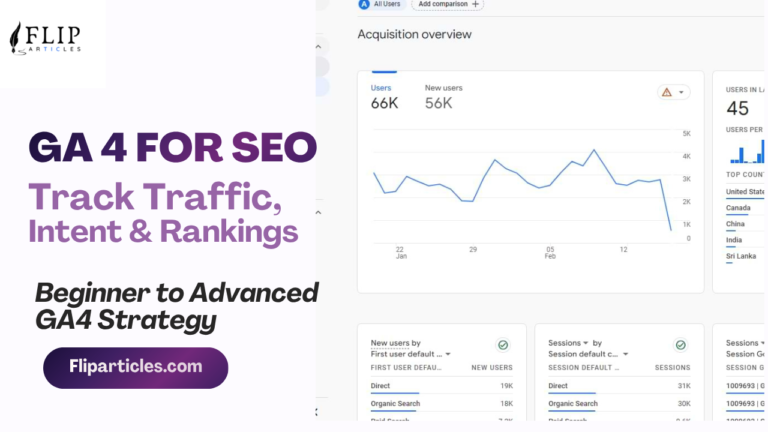
How to Use Google Analytics 4 for SEO Tracking (Future-Ready Guide)

If you’re still measuring SEO success only by traffic, you’re already behind. Modern search is no longer about just ranking keywords—it’s about understanding user behavior, intent, and context. That’s exactly where Google Analytics 4 becomes essential for anyone serious about building a scalable and future-proof SEO strategy.

In this guide, you’ll learn how to use Google Analytics for SEO tracking in a way that aligns with semantic search, entity-based optimization, and evolving systems like Google MUVERA, where a single query can carry multiple meanings and user intents.

Why Google Analytics 4 Matters for SEO Today

To understand the importance of GA4, you first need to understand how Google works today. Search engines have evolved far beyond simple keyword matching. They now interpret meaning, relationships between topics, and how users interact with content after clicking on it. This means rankings are influenced not just by relevance, but also by how well your content satisfies user intent.

GA4 gives you access to this behavioral layer. Instead of just showing how many users visited your website, it reveals what they did, how long they stayed, whether they engaged, and if they converted. These insights directly connect with modern SEO signals, making GA4 a powerful tool for improving your rankings in a meaningful way.

The key shift here is simple: SEO is no longer just about getting clicks—it’s about earning engagement.

Understanding SEO Through Data and User Intent

When people search online, they don’t just type keywords—they express intent. This concept, often referred to as keyword intent in SEO, is critical because it determines what type of content should rank. Some users want information, others want comparisons, and some are ready to take action.

GA4 helps you decode this behavior. By analyzing engagement metrics such as session duration, scroll depth, and user flow, you can identify whether your content aligns with user intent or not. For example, if users land on a page and leave quickly, it may indicate a mismatch between what they expected and what they found.

This is where understanding how search engines work becomes practical rather than theoretical. Search engines prioritize content that satisfies users, and GA4 gives you the data needed to measure that satisfaction.

Setting Up Google Analytics for SEO Tracking

To use GA4 effectively for SEO, integration is everything. Connecting it with Google Search Console allows you to combine keyword-level insights with user behavior data. This connection bridges the gap between what people search and how they interact with your content after clicking.

Similarly, integrating Google Tag Manager enhances your ability to track custom events such as scroll depth, button clicks, and form submissions. These micro-interactions provide deeper insights into user engagement, which is a crucial ranking signal in today’s SEO landscape.

Once these integrations are in place, GA4 becomes more than just an analytics tool—it becomes a decision-making engine for your SEO strategy.

Tracking the Right SEO Metrics in GA4

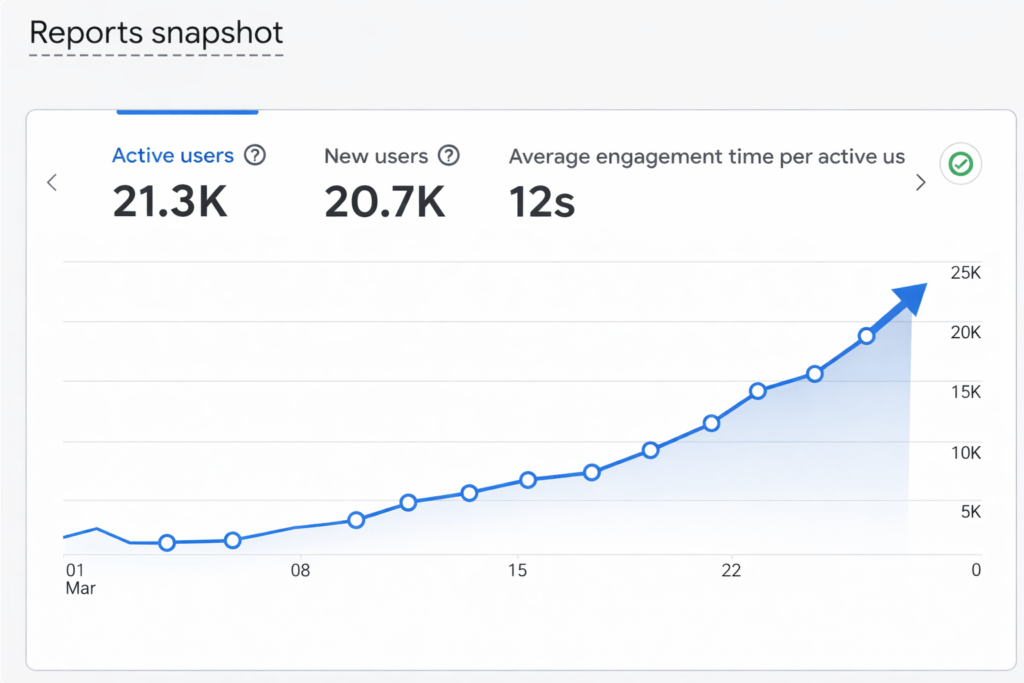
One of the biggest mistakes in SEO is focusing on vanity metrics. Traffic alone doesn’t tell the full story. What truly matters is how users behave after arriving on your site. GA4 allows you to analyze organic sessions alongside engagement rate, average engagement time, and conversions.

When you look at landing pages in GA4, you can identify which pages attract organic traffic and how effectively they retain users. Pages with high traffic but low engagement often signal a content gap. This is an opportunity to refine your content, align it better with intent, and improve its overall quality.

This data-driven approach transforms your SEO strategy from guesswork into a structured optimization process.

Using GA4 to Build a Strong SEO Strategy

A successful SEO strategy today is built on continuous improvement, not one-time optimization. GA4 supports this by helping you identify patterns and trends in user behavior. For example, if certain topics consistently generate higher engagement, it indicates strong relevance and authority in that area.

This is where the concept of a topical authority strategy comes into play. Instead of targeting isolated keywords, you build clusters of related content that cover a topic in depth. GA4 helps you validate these clusters by showing which topics resonate most with your audience.

At the same time, you can identify low competition keywords by analyzing pages that receive traffic but have room for improvement in engagement or conversions. Optimizing these pages often delivers quicker SEO wins compared to targeting highly competitive terms.

Entity SEO and Semantic Search in GA4

Modern SEO revolves around entities rather than just keywords. Entities are real-world concepts that search engines understand, such as brands, tools, or topics. GA4 helps you evaluate how well your content performs around these entities by tracking engagement across related pages.

For example, if your website covers topics like technical SEO, keyword research, and analytics tools, GA4 can show which of these areas drives the most meaningful interactions. This insight allows you to strengthen connections between topics, improve internal linking, and build a more cohesive content ecosystem.

This approach aligns perfectly with semantic search, where the goal is to provide comprehensive and contextually relevant information rather than isolated keyword-focused content.

Multi-Intent SEO and the Role of GA4

With advancements like MUVERA, search queries are no longer single-dimensional. A user searching for “Google Analytics for SEO” might be looking for a guide, a comparison, or a practical setup tutorial—all at once.

GA4 helps you track these multiple intents by analyzing user journeys. By observing how users navigate your site, which pages they visit next, and where they drop off, you can identify gaps in your content strategy. This allows you to create multi-intent content that satisfies different types of users within a single page.

The result is better engagement, improved rankings, and higher conversion rates.

Improving Technical SEO with GA4 Insights

Although GA4 is primarily a behavioral analytics tool, it plays a significant role in improving technical SEO. By identifying pages with high bounce rates or low engagement, you can uncover underlying issues such as slow loading speeds, poor mobile experience, or weak content structure.

When combined with performance tools, GA4 helps you prioritize fixes that have the greatest impact on user experience. This ensures that your website not only ranks well but also delivers a smooth and satisfying experience to visitors.

Final Thoughts

Using Google Analytics for SEO is no longer optional—it’s essential. In a world where search engines prioritize user experience, GA4 provides the insights needed to understand, optimize, and scale your content effectively.

Instead of relying on assumptions, you can make data-driven decisions that align with user intent, semantic search, and entity-based optimization. This not only improves your rankings but also builds long-term authority in your niche.

If you want to stay ahead in SEO, start using GA4 as more than just a reporting tool. Use it as a strategy engine that guides every decision you make.

Frequently Asked Questions

What is Google Analytics 4 in SEO?
Google Analytics 4 is a behavioral analytics platform that helps track user interactions, engagement, and conversions, making it essential for modern SEO strategies.
How does GA4 help in understanding user intent?
GA4 tracks user actions such as clicks, scrolls, and session paths, helping you understand what users are looking for and whether your content meets their expectations.
Can GA4 replace keyword research tools?
No, but it complements them by showing how users behave after landing on your website, helping you refine your keyword targeting.
Why is engagement important for SEO?
Engagement signals indicate content quality and relevance, which are key factors in modern search engine ranking algorithms.

Ahrefs vs SEMrush: Which SEO Tool is Better?

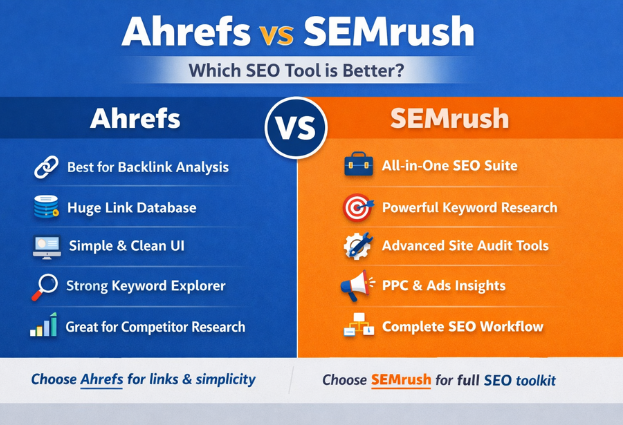
When comparing Ahrefs vs SEMrush, many beginners and even experienced marketers find it difficult to decide which tool fits their SEO goals. Both platforms are widely used for improving visibility, analyzing competitors, and understanding how search engines work. However, choosing the right one depends on your workflow, budget, and the specific features you need to grow your website traffic.

Understanding SEO Tools and Why They Matter

Before diving into the comparison, it’s important to understand why SEO tools are essential. These tools help you analyze rankings, track backlinks, and identify opportunities to improve your website. Since search engines work by crawling, indexing, and ranking content based on relevance and quality, using the right tool can simplify complex data and help you make smarter decisions.

Moreover, SEO tools play a critical role in understanding keyword intent in SEO, which allows you to align your content with what users are actually searching for.

Keyword Research Capabilities

Keyword research is the backbone of any SEO strategy, and this is where both tools offer strong features. One tool is known for its massive keyword database and ability to generate keyword ideas quickly. It provides metrics like search volume, difficulty, and keyword intent, making it easier to target the right audience.

On the other hand, the competing tool stands out with its structured keyword clustering and suggestions based on user intent. This helps you understand whether a keyword is informational, navigational, or transactional. For example, if you’re targeting “buy running shoes,” the tool can guide you toward high-converting keywords based on user intent.

In practice, both platforms help you build content strategies, but one may feel more intuitive for beginners, while the other offers deeper insights for advanced users.

Backlink Analysis and Link Building

Backlinks remain one of the most important ranking factors, and both tools excel in this area. One platform is widely recognized for having one of the largest backlink databases, allowing you to analyze competitor links and identify new opportunities.

The other tool offers a slightly more visual approach, with easy-to-understand reports and link-building suggestions. It also provides outreach features that help you connect with website owners for link-building campaigns.

For example, if you’re working on a topical authority strategy, analyzing competitor backlinks can help you discover content gaps and build stronger authority in your niche.

Site Audit and Performance Tracking

A proper SEO audit checklist is essential for maintaining a healthy website. Both tools provide comprehensive site audit features that identify technical issues such as broken links, duplicate content, and slow page speed.

One tool offers a clean and simple dashboard that highlights issues in a prioritised manner, making it easier for beginners to fix errors step by step. Meanwhile, the other tool provides more detailed reports and advanced filters, which are useful for larger websites or agencies handling multiple clients.

In addition, performance tracking features allow you to monitor keyword rankings and measure progress over time. This helps you adjust your strategy based on real data rather than assumptions.

Competitor Analysis Features

Understanding your competitors is crucial in SEO, and both tools provide strong competitor analysis features. One platform allows you to quickly identify which keywords your competitors are ranking for and how much traffic they are receiving.

The other tool goes a step further by offering a complete semrush seo workflow, including keyword gap analysis, traffic insights, and advertising data. This makes it easier to create a well-rounded strategy that covers both organic and paid search.

For instance, if your competitor is ranking for a high-volume keyword, you can analyze their content and create a better, more optimized version to outrank them.

Content Optimisation and Strategy

Content is still king, but without proper optimisation, even the best content may fail to rank. Both tools offer features that help you improve content quality and relevance.

One tool focuses on backlink-driven content strategies, helping you identify which topics attract the most links. The other tool provides content templates and recommendations based on top-ranking pages.

These insights are especially useful when building an internal linking architecture, as they help you connect related pages and improve overall site structure. A strong internal linking strategy not only enhances user experience but also helps search engines understand your content hierarchy.

Ease of Use and Learning Curve

Ease of use is another important factor when comparing SEO tools. One platform is often praised for its simple and user-friendly interface, making it ideal for beginners who are just starting their SEO journey.

In contrast, the other tool offers a more feature-rich interface, which may feel overwhelming at first but becomes powerful once you understand its workflow. For intermediate users, this can be a major advantage, as it provides more control and customisation options.

Ultimately, your choice depends on whether you prefer simplicity or advanced functionality.

Pricing and Value for Money

Pricing is often a deciding factor for many users. One tool is generally considered slightly more affordable, especially for individuals and small businesses. It offers essential features without overwhelming users with too many options.

The other tool, while slightly more expensive, provides a broader range of features, including advertising insights and advanced analytics. This makes it a better choice for agencies or businesses that require a comprehensive SEO solution.

When evaluating pricing, it’s important to consider the value you’re getting rather than just the cost. A tool that saves time and improves results can be worth the investment.

Which One Should You Choose?

Choosing between these two tools ultimately depends on your needs. If your primary focus is backlink analysis and straightforward SEO insights, one tool may be the better option. However, if you’re looking for an all-in-one solution with advanced features and a complete workflow, the other tool might be more suitable.

For beginners, starting with a simpler tool can help you understand the basics of SEO. As you gain experience, you can explore more advanced features to refine your strategy.

Conclusion

In the Ahrefs vs. SEMrush debate, there is no one-size-fits-all answer. Both tools offer powerful features that can significantly improve your SEO performance. The key is to choose the one that aligns with your goals, workflow, and level of expertise.

As you continue to learn and grow in SEO, focusing on strategies like keyword intent, user intent, and building a strong internal linking architecture will be essential. Additionally, integrating tools like Google Analytics for seo can help you measure performance and refine your approach.

Finally, remember that no tool can replace a solid strategy. By combining the right tool with a well-planned approach and attention to Technical SEO, you can achieve long-term success in search rankings.

Frequently Asked Questions

Which tool is better for beginners?
Both tools are beginner-friendly, but one offers a simpler interface, making it easier for new users to get started quickly.
Can I use both tools together?
Yes, many professionals use both tools to combine their strengths, especially for keyword research and competitor analysis.
Which tool has better backlink data?
Both tools provide strong backlink analysis, but one is often known for having a slightly larger and more frequently updated database.
Do these tools help with content strategy?
Yes, both tools provide insights into keyword intent and content optimization, helping you create better-performing content.
Is investing in an SEO tool worth it?
Absolutely. A good SEO tool can save time, provide valuable insights, and help you achieve better rankings more efficiently.

How to Find Low Competition Keywords with High Traffic Potential

Finding the right keywords is the backbone of any successful SEO strategy. If you want to rank faster and drive consistent traffic, targeting Low Competition Keywords is one of the smartest moves you can make. These keywords allow even new or small websites to compete effectively without battling high-authority domains. However, identifying them requires more than guesswork—it demands an understanding of how Search Engines Work, user behavior, and strategic keyword research techniques.

In this guide, you’ll learn practical methods to discover keywords that are easier to rank for yet still bring valuable traffic.

What Are Low Competition Keywords?

Low competition keywords are search terms that have relatively fewer websites targeting them, making it easier to rank in search results. These keywords often have moderate search volume but high relevance to a specific audience. Unlike broad keywords, they are usually more specific and aligned with Keyword Intent in SEO, which increases the chances of conversion.

For example, instead of targeting “shoes,” a low competition keyword would be “handmade leather shoes for men.” This specificity reduces competition and improves targeting accuracy.

Why Low Competition Keywords Matter

Targeting low competition keywords offers several advantages, especially for beginners and growing websites. First, they help you rank faster because fewer authoritative sites are competing for them. Second, they bring highly targeted traffic, which often results in better engagement and conversions.

Moreover, focusing on these keywords helps build a strong foundation for your topical authority strategy. As you create more content around related topics, your website becomes more relevant in the eyes of search engines.

Understanding Search Intent Before Keyword Selection

Before choosing any keyword, it’s crucial to understand User intent. Every search query has a purpose—whether informational, navigational, or transactional. Aligning your content with Keyword Intent in SEO ensures that you meet the needs of your audience.

For instance, someone searching “how to start a blog” is looking for information, while “buy running shoes online” indicates purchase intent. Choosing keywords without understanding intent can lead to poor engagement and higher bounce rates.

Methods to Find Low Competition Keywords

Use Long-Tail Keywords

Long-tail keywords are longer, more specific phrases that usually have lower competition. They may have less search volume individually, but collectively they can drive significant traffic.

For example, instead of “digital marketing,” you can target “digital marketing strategies for small businesses.” These keywords are easier to rank for and align better with user needs.

Analyze Search Results Manually

One of the simplest ways to identify competition is by analyzing search results. Look at the top-ranking pages and evaluate their content quality, domain authority, and relevance.

If you notice weak or outdated content ranking on the first page, it’s a good opportunity to create better content and outrank them.

Leverage Keyword Research Tools

Using tools can simplify your keyword research process. Following a structured approach like a SEMrush SEO Workflow helps you identify keywords based on difficulty, volume, and trends.

Look for keywords with moderate search volume and low keyword difficulty scores. These are often hidden opportunities that many marketers overlook.

Explore Related Searches and Suggestions

Search engines provide valuable insights through related searches and auto-suggestions. These suggestions are based on real user queries, making them a goldmine for low competition keywords.

You can also explore question-based queries such as “how,” “what,” and “best ways to,” which often have lower competition and high engagement potential.

Evaluate Keyword Metrics Carefully

Not all low competition keywords are worth targeting. You need to evaluate them based on key metrics such as search volume, keyword difficulty, and click-through rate.

Additionally, use Google Analytics for SEO to track how your chosen keywords perform. This helps you refine your strategy and focus on keywords that actually drive traffic and conversions.

Optimize Content Around Selected Keywords

Create High-Quality Content

Once you’ve selected your keywords, the next step is to create valuable content. Your content should be informative, engaging, and aligned with user intent.

Focus on solving problems, answering questions, and providing actionable insights. High-quality content not only ranks better but also builds trust with your audience.

Improve Internal Linking Structure

A strong Internal Linking Architecture helps search engines understand your website structure and improves page authority distribution.

Link related articles together to guide users and search engines through your content. This also increases time spent on your site and reduces bounce rates.

Follow an SEO Audit Checklist

Regularly reviewing your website using an SEO Audit Checklist ensures that your pages are optimized for search engines.

Check for issues like broken links, slow loading speed, missing meta tags, and poor mobile usability. Fixing these issues can significantly improve your rankings.

Build Topical Authority for Long-Term Growth

Instead of focusing on isolated keywords, build clusters of related content. This approach strengthens your Topical Authority Strategy and signals expertise to search engines.

For example, if your niche is fitness, create multiple articles around workouts, nutrition, and recovery. Over time, this builds credibility and improves rankings across multiple keywords.

Common Mistakes to Avoid

Many beginners make the mistake of targeting only high-volume keywords, ignoring competition. Others fail to consider user intent, leading to irrelevant traffic.

Another common mistake is neglecting content quality. Even low competition keywords require well-optimized and valuable content to rank effectively.

Conclusion

Finding the right keywords doesn’t have to be complicated. By focusing on Low Competition Keywords, understanding user intent, and following a structured approach, you can significantly improve your chances of ranking higher in search results. Combine this with consistent content creation, proper analysis, and optimization techniques to achieve long-term success.

Finally, don’t forget that SEO is not just about keywords—it also involves optimizing your website’s performance, structure, and usability. Paying attention to technical SEO ensures that your efforts are supported by a strong foundation, helping your content reach its full potential.

Frequently Asked Questions

What are low competition keywords?
Low competition keywords are search terms with fewer websites targeting them, making it easier to rank on search engines.
How do I find low competition keywords?
You can find them by using keyword research tools, analyzing search results, and focusing on long-tail keywords with specific intent.
Why is user intent important in keyword research?
User intent helps you understand what the searcher is looking for, allowing you to create content that matches their needs and improves engagement.
Can low competition keywords bring high traffic?
Yes, when chosen correctly, they can drive targeted traffic and often result in higher conversion rates.
How often should I update my keyword strategy?
You should review and update your keyword strategy regularly using tools like Google Analytics for SEO to adapt to changing trends and performance.

How to Build an SEO Strategy from Scratch: Keyword Research to Ranking #1

Building a successful SEO Strategy from scratch might seem overwhelming at first, but with the right approach, it becomes a structured and rewarding process. Whether you’re a beginner or someone looking to refine your skills, understanding how search engines work is the foundation of achieving consistent rankings. In simple terms, search engines aim to deliver the most relevant and valuable content to users based on their queries. Therefore, your strategy must align with both user expectations and algorithm requirements. In this guide, we’ll walk you through everything from keyword research to ranking #1, using practical steps, examples, and actionable tips.

Understanding How Search Engines Work

Before diving into tactics, it’s essential to understand how search engines work. Search engines use crawlers to scan websites, index content, and rank pages based on hundreds of factors. These factors include relevance, content quality, website structure, and user experience. For example, when someone searches for “best fitness tips,” search engines analyze pages that closely match the query’s user intent and rank the most useful ones higher. Knowing this helps you create content that not only targets keywords but also satisfies what users are actually looking for.

Step 1: Start with Keyword Research

Keyword research is the backbone of any effective SEO plan. It involves identifying the terms your target audience is searching for and understanding their search behaviour. Instead of focusing only on high-volume keywords, you should also consider long-tail keywords, which often have less competition and higher conversion rates. For instance, instead of targeting “SEO,” you might target “how to create an SEO plan for beginners.” Additionally, focusing on keyword intent in SEO ensures that your content aligns with what users expect, whether they are looking for information, products, or solutions.

Step 2: Understand Keyword Intent in SEO

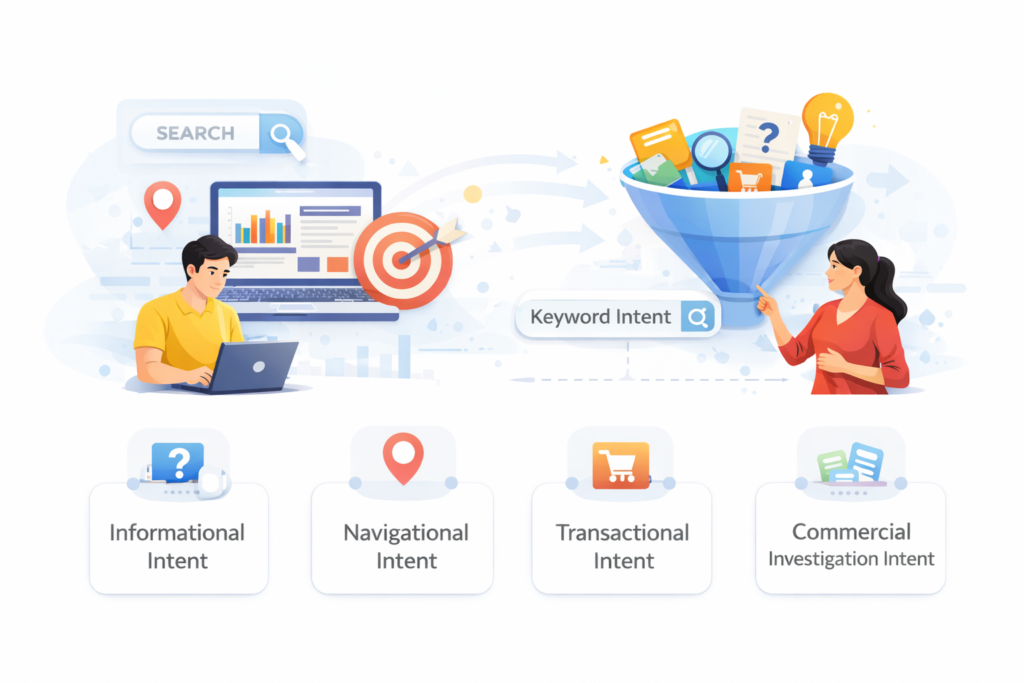
Not all keywords are created equal, and this is where keyword intent in SEO plays a crucial role. There are generally four types of intent: informational, navigational, transactional, and commercial. For example, a keyword like “what is digital marketing” indicates informational intent, while “buy running shoes online” shows transactional intent. By understanding User intent, you can tailor your content accordingly. Pages that match intent accurately are more likely to rank higher and engage users effectively, which ultimately improves your SEO performance.

Step 3: Build a Topical Authority Strategy

To stand out in competitive niches, you need more than isolated blog posts; you need a Topical Authority Strategy. This involves creating a cluster of related content around a central topic. For example, if your main topic is SEO, you can create supporting articles on keyword research, on-page optimisation, and link building. This interconnected structure signals to search engines that your website is a trusted source on the subject. Over time, building topical authority increases your chances of ranking multiple pages for related queries and strengthens your domain credibility.

Step 4: Optimize On-Page SEO Elements

On-page SEO is where your keyword research comes to life. This includes optimising titles, meta descriptions, headings, and content. Make sure your primary keyword appears naturally in your title and introduction, while secondary keywords are distributed throughout the content. Additionally, use clear headings and short paragraphs to improve readability. For example, including keywords in H2 and H3 headings helps search engines understand your content structure. However, avoid keyword stuffing, as it can harm your rankings rather than improve them.

Step 5: Create High-Quality, Engaging Content

Content is the driving force behind any SEO strategy. High-quality content not only ranks well but also keeps users engaged. According to studies, longer and more detailed content tends to perform better in search results because it provides comprehensive information. However, quality matters more than length. Focus on solving problems, answering questions, and delivering value. Use examples, statistics, and real-world scenarios to make your content more relatable. Engaging content encourages users to spend more time on your site, which is a positive ranking signal.

Step 6: Focus on Technical SEO Foundations

While content and keywords are important, the technical side of your website cannot be ignored. Technical SEO ensures that search engines can crawl and index your site efficiently. This includes optimising site speed, ensuring mobile-friendliness, fixing broken links, and using secure connections. For example, a slow-loading website can lead to higher bounce rates, negatively affecting your rankings. By addressing these technical aspects, you create a strong foundation that supports your overall SEO efforts.

Step 7: Build High-Quality Backlinks

Backlinks remain one of the most influential ranking factors. They act as votes of confidence from other websites, signalling to search engines that your content is trustworthy. However, quality matters more than quantity. A few high-quality backlinks from authoritative sites are more valuable than numerous low-quality ones. You can earn backlinks by creating shareable content, writing guest posts, or collaborating with industry experts. Over time, a strong backlink profile significantly boosts your chances of ranking higher.

Step 8: Monitor, Analyze, and Improve

SEO is not a one-time effort; it’s an ongoing process. Regularly monitoring your performance helps you understand what’s working and what needs improvement. Track metrics such as organic traffic, keyword rankings, and user engagement. For example, if a page is ranking on the second page of search results, optimising it further can help push it to the first page. Continuous analysis and updates ensure that your strategy remains effective in a constantly evolving digital landscape.

Conclusion

Building an SEO strategy from scratch requires a combination of research, planning, and execution. Additionally, optimising your content, earning backlinks, and continuously improving your performance will help you achieve higher rankings. Finally, never overlook the importance of technical SEO, as it ensures your website remains accessible, fast, and optimised for both users and search engines.

FAQs

What is an SEO strategy?
An SEO strategy is a structured plan to improve a website’s visibility on search engines by optimising content, keywords, and technical elements.
How long does it take to see SEO results?
SEO results typically take 3 to 6 months, depending on competition, keyword difficulty, and the effectiveness of your strategy.
Why is keyword intent important in SEO?
Keyword intent helps you understand what users are searching for, allowing you to create content that matches their needs and improves rankings.
What is topical authority in SEO?
Topical authority refers to building expertise in a specific subject by creating comprehensive and interconnected content around that topic.

Topical Authority Strategy: How to Build SEO Topic Clusters That Dominate SERPs

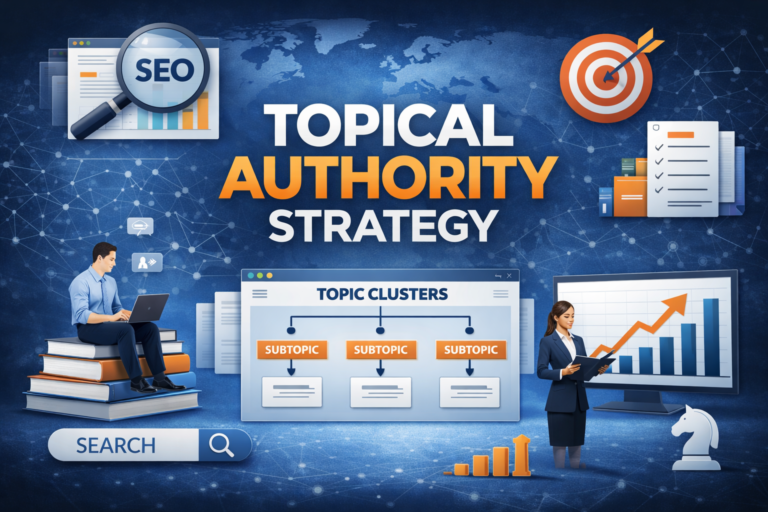
If you want to rank consistently on Search Engines, you need more than just individual blog posts; you need a solid topical authority strategy. Instead of targeting random keywords, this approach focuses on building a comprehensive content ecosystem around a specific subject. By doing so, you signal to search engines that your website is a trusted source, which significantly improves your chances of dominating SERPs. Whether you’re a beginner or have some SEO experience, understanding how to structure topic clusters can transform your organic growth.

What is Topical Authority in SEO?

One way to think about topical authority is seeing it like building layers around a single idea. Instead of dropping random posts, imagine linking each piece so they form a web of useful answers. Because of this structure, visitors find what they’re looking for without jumping elsewhere. Search tools notice when people stay longer and return often. Over time, those signals tell algorithms that your site knows its stuff. Pages start rising in results simply because they make sense together. Expertise shows up not through claims but through consistency.

Why Topic Clusters Matter for Rankings

What holds a strong topical authority plan together? Topic clusters do. One central pillar page teams up with several related articles, all connected by links. Because these pages point to each other, search engines get a clearer picture of how topics fit. Navigation becomes smoother for bots, plus people find what they need faster. Over months, sites built this way often gain nearly twice as much organic reach – some track growth near 40%. That boost comes from matching the way algorithms judge what content truly covers a subject.

Understanding Keyword Intent in SEO

Before building your cluster, it’s essential to understand Keyword Intent in SEO. Not all keywords serve the same purpose. Some users are looking for information, while others are ready to make a purchase. The main types of intent include informational, navigational, transactional, and commercial. Aligning your content with the right intent ensures that you meet user intent effectively. For example, a pillar page might target a broad informational query, while cluster articles focus on more specific or transactional queries.

Types of SEO You Need to Combine

One way to boost visibility? Blend several kinds of SEO work. Headings, word choice, and clear writing – these shape on-page strength. Backlinks do their part by lifting credibility from outside. Site speed, structure, layout – all those quiet details matter just as much. Layer them right, the result holds up whole groups of related pages while pushing position across search results.

How to Build an Effective Topic Cluster

Start by picking one main idea that fits both your specialty and what readers are looking for. Following that, build a central guide covering the full scope of the topic. Once done, break it down into smaller themes, then write separate pieces exploring each part more closely. Every related article must point toward the main hub, also connecting sideways when topics overlap. Links woven like this help search engines see how everything ties together.

Creating High-Quality Pillar Content

Start off broad, then go deep – this page ought to cover everything about the subject. Put it together carefully so it flows naturally from one part to the next. Headings must stand out, sentences stay brief, words feel alive without trying too hard. Try mixing in real cases, numbers that matter, steps someone could actually follow. When done right, people arrive through search – and stick around because something feels useful. Moving between topics should happen smoothly, almost by accident.

Writing Supporting Cluster Articles

One way to build around a central subject? Tackle separate but connected issues in their own posts. Each piece dives into narrow searches people actually make. Take SEO planning as the core idea – then explore things like finding search terms, fine tuning web pages, or how links are gathered. Zooming in helps show up for more varied phrases online. Authority grows when small subjects get detailed attention. A stronger presence forms slowly, through focused answers.

Optimising Internal Linking Structure

Pages deep inside your site gain strength when linked wisely. One main page ties related posts together through clear word cues in links. From those side pages, pathways lead back to the center piece just as naturally. Tying them all forms a web that both readers and robots move across without trouble. When connections are built with care, visibility grows while people stay put longer.

The Role of Content Depth and Consistency

Every time you post solid work, trust grows. Search bots notice when fresh material appears often, treating sites as current. Full coverage pulls more weight; diving deep into subjects opens doors to many searches at once. Rather than skimming surfaces, build rich pieces that truly support readers. What sticks isn’t speed – it’s substance shown over months.

Common Mistakes to Avoid

Jumping between random subjects? That spreads your credibility thin. What people actually want might slip through if search purpose gets overlooked. Links buried or missing mess up how pages connect. Structure fades when there’s no clear path. Forced keywords drag down flow, make things awkward to read. Meaning matters more than packing phrases – write like a person, not a robot.

Measuring the Success of Your Strategy

Start by watching how much organic traffic you get, since it shows whether people are finding your pages. Keyword positions shifting upward? That usually means search engines see your site as more relevant. When searches lead to more clicks and views, your topics likely resonate. Time spent on a page often grows if visitors feel they’re learning something useful. Bounce rates tend to drop when what you say matches what readers need. Freshening up old posts now and then keeps them sharp. Better answers today help tomorrow’s rankings too.

Conclusion

Building a successful topical authority strategy is not a one-time task but an ongoing process. By creating well-structured topic clusters, aligning content with user intent, and maintaining consistency, you can significantly improve your rankings in search engines. Moreover, combining this approach with strong site performance and optimization practices ensures long-term success. When paired with effective technical SEO, your strategy becomes even more powerful, helping your website achieve sustainable growth and dominate SERPs.

Frequently Asked Questions

What is a topical authority strategy in SEO?
A topical authority strategy involves creating comprehensive and interconnected content around a specific subject to establish expertise and improve search rankings.
How do topic clusters improve SEO?
Topic clusters help search engines understand content relationships, improve site structure, and enhance user experience, leading to better rankings.
What is keyword intent in SEO?
Keyword intent refers to the purpose behind a user’s search query, such as seeking information, making a purchase, or comparing options.
How many articles are needed for a topic cluster?
There’s no fixed number, but a strong cluster usually includes one pillar page and 8–15 supporting articles covering related subtopics.
How long does it take to build topical authority?
It typically takes a few months of consistent content creation and optimisation to see noticeable improvements in rankings and traffic.

How User Intent Shapes Modern SEO Strategy

In today’s digital landscape, understanding user intent is no longer optional—it’s essential for ranking on Search Engines and delivering meaningful results. Whether someone is searching for information, comparing products, or ready to make a purchase, their purpose behind the query determines the kind of content they expect. When you align your content with user intent, you not only improve rankings but also boost engagement, reduce bounce rates, and increase conversions. Let’s explore how intent-driven optimization can transform your SEO performance.

What Is User Intent?

What drives a person to type something into a search box? That motive is called user intent. Simply put, it explains what the searcher really wants. Maybe they need details on a topic. Perhaps they aim to reach one exact site. Buying an item could be their goal instead.

Nowhere near as simple as before, search engines work differently today than ten years ago. Rather than only spotting exact words, they study meaning, user habits, plus how ideas connect. Because of this change, ranking well isn’t tied to keyword stuffing anymore – value matters more. What counts now is answering real questions, not just repeating phrases.

A person typing “how to improve website speed” probably expects tips or clear steps. Yet when someone looks up “buy hosting plan,” their mind is nearly made up. Spotting that shift matters more than it first appears.

The Four Main Types of User Intent

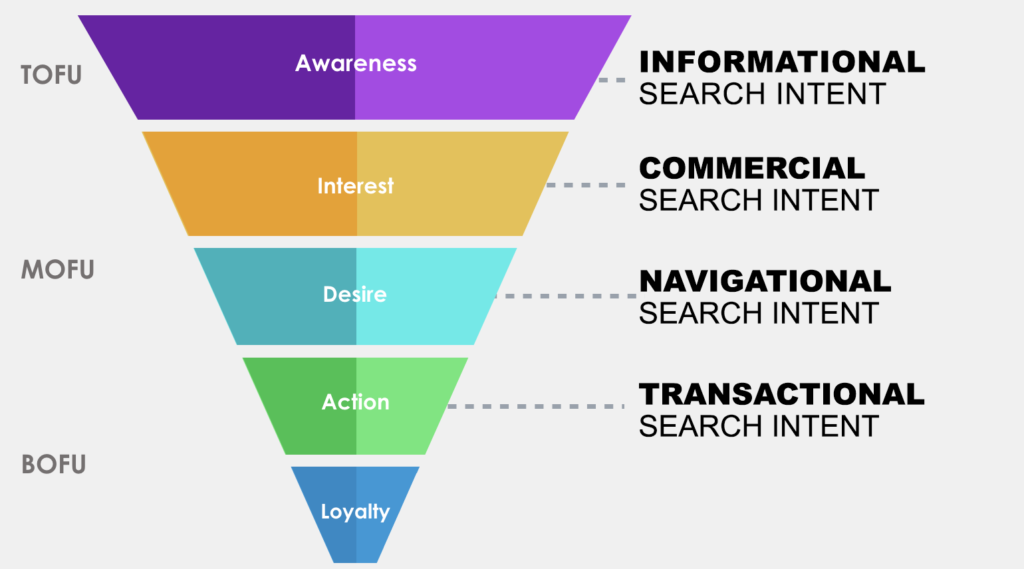
Understanding intent begins with identifying its primary categories. Most search queries fall into one of four types.

Informational Intent

Users are looking for knowledge. They might search for “what is Technical SEO” or “how does crawling work.” In such cases, blog posts, tutorials, and guides perform well.

Navigational Intent

Here, users want to reach a specific website or page. For example, searching for a particular company’s homepage. Ranking for navigational queries is important if you own that brand.

Commercial Investigation

Users are comparing options before making a decision. Queries like “best Free Keyword Research Tools” show commercial intent but not immediate buying intent.

Transactional Intent

This is the most conversion-focused type. Searches like “buy SEO course online” indicate readiness to act.

By identifying these categories, you can tailor content that satisfies the exact need behind each query.

Why Search Engines Prioritize Intent

When people look things up online, speed matters just as much as accuracy. A page that keeps visitors usually did what they hoped. But if folks leave fast, chances are it missed the mark entirely.

Pages meeting what users actually search for often gain nearly double or triple the attention, reports suggest. Still, newer shifts in how Google ranks things now weigh meaning, surrounding clues, word links, and how people interact more heavily.

Therefore, instead of asking, “What keyword should I use?” a better question is, “What does my audience truly want?”

How to Identify User Intent Effectively

Understanding intent requires research and analysis. Here are practical steps you can follow.

Analyse Search Results

Search your target keyword and examine the top-ranking pages. Are they blogs, product pages, videos, or comparison guides? The format reveals the dominant intent.

Study Related Queries

Look at “People Also Ask” sections and related searches. These give insight into common follow-up questions and deeper user needs.

Use Free Keyword Research Tools

Free Keyword Research Tools help uncover search volume, competition, and related keyword variations. More importantly, they reveal patterns in how users phrase their queries, giving clues about intent.

Evaluate Content Gaps

If top-ranking content lacks certain details, you can fill that gap. This approach not only matches intent but also provides added value.

Optimising Content for Different Intent Types

Once you identify intent, your content strategy should align accordingly.

For informational intent, create in-depth blog posts with step-by-step explanations. Include examples, visuals, and practical tips.

For commercial investigation, write comparison articles and case studies. Highlight benefits, features, and potential drawbacks.

For transactional intent, optimise landing pages with clear calls to action, persuasive copy, and trust signals.

For navigational intent, ensure your website structure is clean and easily accessible.

Additionally, Technical SEO plays a crucial role in delivering intent-matched content effectively.

The Role of Technical SEO in Supporting Intent

Even the best content won’t perform if search engines can’t access it properly. That’s where Technical SEO becomes essential.

Technical SEO ensures your site is optimised for crawling and indexing. Crawling allows search engine bots to discover your pages, while indexing makes them eligible to appear in results.

Fast-loading pages, mobile-friendly design, structured data, and clean site architecture improve user experience and reinforce intent alignment.

For instance, if a user with transactional intent lands on a slow-loading page, they may leave before completing a purchase. Thus, technical optimization directly impacts performance.

Intent-Based Keyword Mapping Strategy

Keyword mapping means assigning specific keywords to specific pages based on intent.

Start by categorizing keywords according to intent type. Then, match each category to the appropriate page format.

For example:
Informational keywords go to blog posts.
Commercial keywords go to comparison guides.
Transactional keywords go to product or service pages.

This structured approach prevents keyword cannibalization and improves clarity for both users and Search Engines.

Common Mistakes to Avoid

Many beginners focus only on keyword volume and ignore intent. This often leads to mismatched content.

Another mistake is keyword stuffing. Repeating terms unnaturally does not improve rankings. Instead, focus on clarity, relevance, and usefulness.

Ignoring analytics data is also risky. Track metrics like bounce rate, average session duration, and conversion rate. These reveal whether your content truly satisfies user needs.

Finally, avoid neglecting Technical SEO fundamentals. Poor site structure can limit visibility, regardless of content quality.

Practical Tips to Improve Intent Alignment

First, always define the goal of each page before writing. Ask yourself: “What action do I want the reader to take?”

Second, use clear headings and logical structure. This improves readability and helps Search Engines understand your content.

Third, update old content regularly. User expectations evolve, and outdated information can hurt trust.

Fourth, combine data and storytelling. Real examples make your content more relatable and credible.

For example, if you’re explaining crawling, describe how search bots navigate links and why broken links can disrupt the process.

Measuring Success of Intent Optimization

Start by watching how organic visits climb over time. Keyword positions matter too, yet user interaction tells a clearer story. What counts most? Whether visitors take meaningful actions on the site.

When info posts pull visitors without interaction, tweak them. Where buying pages attract clicks yet zero purchases occur, sharpen how they ask for action.

Slow gains come from focusing on real user needs. This path grows credibility step by step. Patience shapes results that last. Rewards arrive quietly, yet they stick.

Conclusion

Understanding user intent is the foundation of modern SEO success. By aligning your content with what users genuinely want, you create value that Search Engines reward. From using Free Keyword Research Tools to strengthening Technical SEO and ensuring proper crawling, every step should support intent alignment. Ultimately, mastering Keyword Intent in SEO helps you move beyond surface-level optimization and build a strategy rooted in purpose, relevance, and results.

Frequently Asked Questions

Q: What is user intent in SEO?
User intent is the purpose behind a search query. It determines whether a user is seeking information, comparing options, or ready to take action.
Q: How do I find the intent of a keyword?
Analyse search results, study related queries, and use Free Keyword Research Tools to identify patterns in user behaviour.
Q: Why is Technical SEO important for intent?
Technical SEO ensures proper crawling, indexing, and performance, allowing search engines to deliver your content to the right audience.
Q: Can one keyword have multiple intents?
Yes, some keywords can serve multiple intents. In such cases, analyse top-ranking results to identify the dominant intent.
Q: Does matching user intent improve rankings?
Yes, aligning content with user expectations increases engagement and satisfaction, which positively impacts rankings over time.

What Is Technical SEO and Why Does It Matter for Search Engine Rankings?

When people think about improving their website rankings, they often focus on content and backlinks. However, without a strong foundation, even the best content can struggle to perform. This is where Technical SEO plays a crucial role. It ensures that search engines can properly access, understand, and index your website. In simple terms, it’s the process of optimising your site’s infrastructure so that search engines can crawl and rank it efficiently. While content attracts users, technical optimisation makes sure that both users and search engines can navigate your site smoothly.

Understanding the technical side of optimisation is essential for anyone serious about digital growth. Whether you are a beginner building your first blog or an intermediate marketer managing multiple projects, mastering technical fundamentals will significantly improve visibility and performance.

What Is Technical SEO?

A site works better when its hidden parts are tuned right. Search tools need clear paths to move through pages without trouble. Content shows up properly only if the setup underneath runs smoothly. While words and phrases matter up front, what lies behind affects performance just as much. Outside links build trust, yet internal strength keeps things running. Function comes first before anything else appears correctly online.

One kind of SEO works inside the webpage, another builds outside links, and a third fixes how sites run behind the scenes. Though every piece matters, the hidden setup holds everything together. If pages load slowly or break, great articles might stay invisible since bots struggle to read them clearly.

Why Technical SEO Matters for Rankings

Imagine tiny robots moving through web pages, scanning everything they find. That journey has a name: crawling. Hitting dead ends like broken links slows them down. So does waiting too long for a page to load. Resources that refuse access also cause trouble. Without full access, those robots skip parts of your site. Skipping means no record gets made. And if there is no record, nothing shows up in the results.

Fast pages climb higher in results – speed matters a lot. A site opening fast keeps people around, while slow ones push visitors away just as quickly. When phones can easily navigate a page, it helps too. Secure links build trust, not only with users but also with how rankings form. Those sticking under three seconds see fewer exits almost every time. More clicks, longer visits – it adds up without anyone needing to try hard. Search tools notice when folks stick around and act interested.

Moreover, search engines prioritise user experience. A technically optimised website ensures clean navigation, logical structure, and fast performance, all of which contribute to better visibility.

Core Elements of Technical SEO

Website Crawling and Indexing

Crawling is the first step in how search engines discover your content. To make crawling efficient, your website should have a clear structure and a properly configured robots file. You should also create and submit an XML sitemap to help search engines find important pages.

Additionally, avoid blocking essential resources such as CSS or JavaScript files. If search engines cannot render your page properly, they may misinterpret its content.

Site Speed and Performance

Page speed is one of the most critical ranking factors. Slow websites frustrate users and increase bounce rates. To improve performance, compress images, enable browser caching, and minimise unnecessary scripts.

For example, reducing image size without compromising quality can dramatically improve loading time. Even small speed improvements can result in noticeable ranking gains over time.

Mobile Optimization

With the majority of searches happening on mobile devices, responsive design is no longer optional. Your website should adapt seamlessly to different screen sizes. Mobile-friendly websites are more likely to rank higher because search engines prioritise mobile-first indexing.

Test your website on multiple devices and ensure buttons, text, and images are easily accessible without zooming or horizontal scrolling.

Secure Website Structure

Security builds trust. Websites using HTTPS are considered more secure than those using HTTP. Search engines prefer secure websites because they protect user data. Installing an SSL certificate ensures encrypted communication between your server and visitors.

Security also includes protecting your website from malware and fixing vulnerabilities promptly.

Structured Data and Schema Markup

Structured data helps search engines better understand your content. By implementing schema markup, you can enhance your search results with rich snippets, such as star ratings or FAQs. These enhanced listings often improve click-through rates.

Although structured data does not directly increase rankings, it improves visibility and user engagement.

The Connection Between Technical SEO and User Experience

A site built with care works better for people, not just machines. When pages show up quickly, folks stick around longer. Moving through feels smooth when paths make sense. Fewer glitches mean fewer reasons to leave. Exploring becomes natural when nothing blocks the way.

What people want matters a lot. Searching online means wanting answers fast, without hassle. A site that gives clear help keeps attention longer, turning lookers into doers. Fixing small backend things boosts how happy visitors feel, even if they never notice the fixes themselves.

Common Technical SEO Mistakes to Avoid

Most people running websites mess up without realising it, slowing everything down. Picture a site where pages repeat themselves – this often comes from URLs set incorrectly. Then there are links inside the site that lead nowhere, trapping visitors plus search engines alike.

Every now and then, skipping routine checks lets hidden indexing issues slip through. Tools like analytics plus free keyword finders do more than uncover search terms – they reveal weak spots and how visitors move around. When you keep an eye on things often enough, small tech hiccups get fixed long before rank takes a hit.

Pages often get mixed up when canonical tags go missing. Search engines might then have trouble picking the right one to show. Sometimes confusion sets in without clear signals. That version mix-up? It happens more than you’d think.

Practical Tips to Strengthen Technical SEO

Audit the entire site before anything else. Broken links show up here, redirect loops there – spot them early. Indexing problems tend to hide in plain sight, too. Correct each one; results usually follow fast.

Start by shaping how pages connect across your site. Group material into clear sections, making it simpler for visitors and crawlers to move around.

Start by adjusting how pages link to one another inside your site. Even though this post has no internal connections, real sites benefit when similar topics are linked – helping visitors move around while spreading authority across pages.

Fewer plugins help lighten the workload on your site. Shrinking image sizes also makes pages run faster.

Finding crawl mistakes fast means fewer problems down the line. Check your site reports often – small hiccups can grow if ignored.

Measuring Success in Technical SEO

Watch how changes affect your site’s performance. Look at numbers like visits from search engines, how fast pages load, bot activity logs, plus whether pages appear in results. When those go up, rankings tend to follow. A rise here usually means the fixes helped.

Notice how long people stay and whether they leave quickly. When visits last longer following fixes, the site feels better to use.

True, upgrades behind the scenes might not show right away – yet they quietly support what comes later. Growth takes time, after all.

Conclusion

In the ever-evolving world of digital marketing, strong technical foundations are no longer optional. A well-structured, fast, and secure website ensures that search engines can crawl and index your content efficiently. More importantly, it creates a smooth experience for users, aligning with their expectations and needs. While content strategy and backlinks remain vital, they must rest on a technically sound website. By consistently auditing your site, improving performance, and aligning with Keyword Intent in SEO, you ensure that your content reaches the right audience at the right time. When technical optimisation and user intent work together, sustainable growth becomes achievable.

FAQs

Q: What is the difference between technical SEO and on-page SEO?
Technical SEO focuses on backend optimization such as improving site speed, enhancing crawling and indexing, fixing broken links, and ensuring proper site architecture. On-page SEO, on the other hand, deals with content quality, keyword optimization, meta tags, headings, and internal linking to improve relevance and search visibility.
Q: How often should I perform a technical SEO audit?
It is recommended to conduct a technical SEO audit at least once every three to six months. Additionally, you should perform an audit immediately after any major website changes, redesigns, or migrations to ensure everything functions correctly.
Q: Does page speed really affect rankings?
Yes, page speed is a confirmed ranking factor. Faster websites provide a better user experience, reduce bounce rates, and improve engagement metrics, all of which contribute positively to search engine visibility and rankings.
Q: Can beginners handle technical SEO?
Yes, beginners can start with basic technical optimizations such as improving site speed, fixing broken links, optimizing images, and ensuring mobile responsiveness. As they gain experience, they can gradually move toward more advanced technical strategies.
Q: Why is crawling important in SEO?
Crawling allows search engines to discover and understand your website’s pages. Without proper crawling, search engines may not index your content, which prevents your pages from appearing in search results and gaining visibility.

What Amenities Should I Look for in a Hollywood Hills Villa?

0

There’s a certain expectation that comes with staying in the Hollywood Hills. It isn’t only about the view, the elevation, or the name attached to the neighborhood. It’s about how the space makes you feel once the gate closes and the city fades into the background. Travelers browsing West Hollywood villa are usually past the stage of chasing novelty. What they want instead is a place that feels calm, private, and easy to live in from the very first day.

Unlike hotels, villas invite a different pace. There’s no check-in desk, no hallway noise, no shared schedules. Days stretch longer. Evenings arrive gently. Whether the stay is meant for creative work, family time, or simply stepping away from routine, choosing the right West Hollywood vacation rentals often comes down to amenities that support real life rather than perform for photos.

Privacy That Feels Thoughtfully Designed

In the Hollywood Hills, privacy isn’t a bonus feature. It’s foundational.

The best villas feel intentionally protected without feeling closed off. Gated entrances, natural landscaping, and elevated positioning all help create a sense of separation from the world below. At the same time, smart architecture allows light and air to flow freely.

Glass walls can still feel private when designed with care. The strongest West Hollywood villa rental options understand this balance well, open to views and sunlight, yet shielded from neighboring sightlines and street noise. Privacy here feels calm, not defensive.

Views That Support Calm, Not Performance

A skyline view should add atmosphere, not pressure.

Some villas force attention outward at all times. Others allow the city to exist quietly in the background, visible when you seek it, invisible when you don’t. Window placement, terrace orientation, and natural lighting all play a role in how views are experienced.

In the most comfortable holiday rentals West Hollywood, the view complements daily life. It doesn’t compete with conversation, rest, or stillness. It’s simply there.

Outdoor Spaces Meant for Everyday Living

Los Angeles weather makes outdoor living possible year-round, but only when spaces are designed with intention.

A pool should feel like part of the home, not an accessory. Seating should invite lingering, not posing. Shade matters. Flow matters. Outdoor kitchens and quiet corners often matter more than size alone.

Many travelers seeking West Hollywood vacation rentals quickly realize that usable outdoor space changes everything. Morning coffee outside. Slow lunches in the shade. Evenings that stretch without needing to leave home.

Kitchens Built for Living, Not Display

A beautiful kitchen catches the eye. A functional kitchen supports daily life.

Long stays require more than sleek finishes. Thoughtful layouts, generous counter space, quality appliances, and room for more than one person to move comfortably all make a difference. Whether meals are cooked personally or prepared with help, kitchens in strong West Hollywood villa rental are designed to be used, not admired from afar.

The best ones encourage gathering without forcing it. People drift in. Conversations happen naturally. No formality required.

Entertainment That Enhances, Not Overwhelms

Entertainment amenities should feel optional, not obligatory.

A home theater should invite quiet movie nights, not dominate the house. A gym should feel motivating, not intrusive. Social areas should feel relaxed, not staged. The most thoughtful holiday rentals West Hollywood include entertainment features that enhance downtime without overstimulating the senses.

When done right, these amenities fade into the background until the moment you want them.

Bedrooms That Encourage Real Rest

Bedrooms should feel removed from the rest of the home.

Quiet matters. So does lighting, airflow, and comfort. Quality bedding, sound insulation, and the ability to fully darken a room often make more difference than decorative trends. In a well-considered West Hollywood villa rental, bedrooms feel like retreat places where sleep comes easily and mornings begin gently.

For families or groups, separation between sleeping areas also matters. Privacy shouldn’t require effort.

Support Services That Stay Invisible

The best amenities are often the ones you barely notice.

Regular housekeeping, pool and garden maintenance, fresh linens, and responsive yet discreet concierge support allow daily life West Hollywood vacation rentals to move smoothly. Many travelers rely on curated providers like Nightfall Group to access  where these services are present but never intrusive.

When support works well, it disappears, and that’s exactly the point.

A Space Designed for How People Actually Live

In the Hollywood Hills, some homes are designed to impress at first glance. Others are designed to support everyday living. The Winona Estate clearly belongs to the latter.

Built for extended stays, the residence balances modern design with warmth and practicality. Expansive glass walls frame sweeping city views while maintaining a sense of seclusion. The layout allows guests to come together easily while still offering quiet corners and personal space when needed.

Eight bedrooms are distributed to create privacy without isolation. Shared areas feel generous but grounded. Amenities are woven naturally into the home rather than presented as highlights. A professional gym supports daily routines. A private cinema with lounge seating offers a place to unwind without ceremony. A dedicated sports bar adds a casual social element that feels relaxed rather than performative.

At the center of the home, a large great room connects seamlessly to a chef’s kitchen, which opens onto an outdoor pool area with subtle water features and a shaded barbecue space. These are areas meant for use on slow afternoons, unplanned dinners, evenings that stretch longer than expected.

Behind the scenes, daily needs are handled quietly. Linens are refreshed. Gardens and the pool are maintained. Concierge support remains available without interrupting the rhythm of the stay. The home doesn’t ask for attention. It simply supports life as it unfolds.

Location Still Shapes the Experience

Even the most thoughtfully designed villa benefits from smart placement.

Easy access to West Hollywood, the Sunset Strip, and canyon routes saves time and reduces friction. The strongest West Hollywood villa rentals feel connected to the city without feeling absorbed by it. Once inside, the outside world fades quickly.

Why Thoughtful Curation Makes a Difference

Not all villas are equal, even when they appear similar online.

Curation matters not just in design, but in upkeep, support, and overall livability. Nightfall Group is often referenced by travelers seeking holiday rentals West Hollywood that feel consistent, prepared, and easy to settle into. The value lies in alignment: design, service, and comfort working quietly together.

Where Comfort Quietly Becomes the Experience

Amenities shouldn’t impress you once. They should support you every day.

The right Hollywood Hills villa offers privacy without isolation, design without pressure, and service without intrusion. When amenities are chosen thoughtfully, the space itself recedes, and real life fills in naturally. That’s when a stay stops feeling temporary and starts feeling like it belongs.

What is Keyword Intent & Why It Matters in SEO

Introduction to Keyword Intent in SEO

Understanding Keyword Intent in SEO is one of the most important skills for anyone who wants to rank higher on search engines and attract the right audience. It’s common for new marketers to chase popular search terms. Yet seasoned pros look deeper – past popularity – to uncover why people actually type those words into a search box. That underlying purpose? It shapes everything. Matching your page to that motive isn’t just helpful – it shifts results. Pages aligned with searcher goals tend to climb rankings more easily. They also turn casual clicks into meaningful actions. Growth often follows when content answers real questions, not just phrases.

These days, search tools think more like people. Instead of just counting words on a page, they check whether the material actually answers what someone is looking for. Because of that shift, knowing why a person searches a certain term matters most when planning online visibility today.

What is Keyword Intent?

Most times, when people type things online, there’s a reason driving that. That aim – what some call keyword intent – is what guides their search. Behind every query sits a need, clear or vague. Often it’s about learning something new instead of just browsing. Sometimes they’re weighing choices between products without saying so outright. Other moments point toward visiting one exact site they already know. Buying stuff shows up too, quietly shaping how terms get entered.

A person typing “how to start a blog” probably wants steps or advice. Yet when another looks up “buy running shoes online,” that one aims to spend money straight away. While each uses words people type often, what they actually want differs sharply.

A shift in perspective makes it easier to shape material that hits the mark. Rather than assuming intent, responses line up with actual queries. Clarity comes from focusing on real questions people ask.

The Four Main Types of Keyword Intent

Informational Intent

Informational intent occurs when users are searching for knowledge or answers. These searches often include words like “what,” “how,” “why,” or “guide.” For example, “what is SEO” or “how does crawling work in search engines” are informational queries.

Content that satisfies informational intent usually includes blog posts, detailed guides, tutorials, or educational articles. This type of content builds trust and authority over time.

Navigational Intent

Navigational intent happens when users want to find a specific website or page. For instance, searching for a particular company’s homepage or a login page shows navigational intent. These users already know where they want to go; they just need help reaching it quickly.

Optimising for navigational keywords ensures your brand appears prominently when users search directly for it.

Transactional Intent

Transactional intent indicates that users are ready to take action, such as buying a product, signing up for a service, or booking an appointment. Keywords like “buy,” “discount,” or “pricing” often signal transactional intent.

Pages targeting transactional keywords should be optimised for conversions, with clear calls to action and strong value propositions.

Commercial Investigation Intent

Commercial investigation sits between informational and transactional intent. Users are comparing products or services before making a decision. Queries like “best laptop for students” or “top digital marketing tools” fall under this category.

In such cases, comparison articles, reviews, and detailed breakdowns perform well because they help users evaluate their options.

Why Keyword Intent Matters in SEO

What people look for shapes how well a page ranks, holds attention, or leads to results. When the message misses what visitors want, they exit without staying long. Search tools notice if a few stick around or pages get little interaction. That kind of behaviour hints that the content might not help them much.

For example, a person looks up “SEO services pricing,” then clicks on an article that just describes what SEO means. The piece might be well written, yet it misses the mark completely. Because of that mismatch, they exit quickly – no click further, no lingering around. Over weeks, search engines notice fewer visits staying on the site. That quiet signal can quietly pull down where pages show up.

When what you write fits what people are looking for, they stay longer, feel satisfied, yet move toward taking action. Pages built around a real search purpose tend to climb higher in results – unlike those banking only on popular terms tossed into thin content.

How to Identify Keyword Intent

Identifying intent requires a combination of research and analysis. First, look at the search query itself. Words like “guide,” “tips,” or “learn” usually indicate informational intent. Words like “buy,” “price,” or “near me” often suggest transactional intent.

Second, analyse the search engine results page. Observe the type of content ranking at the top. Are they blog posts, product pages, or comparison articles? This gives you a clear idea of what search engines believe satisfies that query.

Third, understand your audience. Think about their stage in the buyer journey. Beginners often search for educational content, while ready-to-buy users search for specific products or services.

The Role of Keyword Intent in Different Types of SEO

Keyword intent plays a major role across all Types of SEO. In on-page SEO, it influences how you structure headings, write meta descriptions, and organise content. In off-page SEO, it helps determine what kind of backlinks are valuable. In Technical SEO, it ensures that your pages are optimised for speed, mobile usability, and proper crawling so search engines can understand and index content correctly.

For example, if your transactional page loads slowly, users may abandon it before completing a purchase. Even strong keyword targeting cannot compensate for poor technical performance. That is why integrating intent with Technical SEO strategies is essential for success.

Practical Tips to Optimise for Keyword Intent

Grouping keywords by what they aim to do comes first. When intent shapes the pile, pages stay sharp. Mixing goals on a single page blurs the purpose. Clusters form naturally when each topic knows its job.

Start by picking a format that fits what people are looking for. When someone wants to learn, go with a deep dive guide instead of short snippets. For those weighing options, lay out clear comparisons without fluff or bias. If the goal is buying, shape the page around quick decisions using a clean structure and clear details.

Sure thing. Break things into smaller chunks. That helps folks get around faster. Headings show the way without confusion. Each section flows to the next like steps on a path. Short lines breathe better on screen. Thoughts land more clearly when spaced out right. Readability grows when structure supports it. Eyes move more quickly through clean layouts.

It might help to include links to trusted outside sites – this kind of backing often feels more reliable. When facts or statements come from recognised experts, people tend to pay closer attention.

Common Mistakes to Avoid

One common mistake is targeting high-volume keywords without analysing user intent. Traffic alone does not guarantee results. If the audience is not aligned with your goals, conversions will remain low.

Pages that try too much often trip up readers. Take a how-to for newcomers mashed together with a pitch – suddenly it’s unclear what the point really is. Confusion sneaks in when goals clash like that, leaving visitors unsure, search tools guessing.

Skipping data checks can really backfire. Watch numbers such as time on page, how often people leave fast, along with clicks per visit – these show whether readers find what they’re after.

Conclusion

In today’s competitive digital landscape, understanding Keyword Intent in SEO is not optional; it is essential. By aligning your content with user intent, you improve rankings, engagement, and conversions simultaneously. When you understand how Search Engines Work, you realise that their primary goal is to deliver the most relevant and helpful results to users. Matching keyword intent ensures that your content becomes the relevant answer. Combined with strong Technical SEO practices, effective crawling optimization, and a clear understanding of the Types of SEO, you can build a strategy that drives sustainable growth and long-term authority.

FAQs

Q: What is keyword intent in simple terms?
Keyword intent is the reason behind a user’s search query. It explains what they want to achieve when typing a specific keyword.
Q: How does keyword intent affect rankings?
If your content matches user intent, visitors stay longer and engage more, which sends positive signals to search engines and can improve rankings.
Q: Can one keyword have multiple intents?
Yes, some keywords may have mixed intent. In such cases, analyze search results to understand which intent is dominant.
Q: How is keyword intent different from search volume?
Search volume measures how often a keyword is searched, while keyword intent explains why users search for it.
Q: Is keyword intent important for beginners in SEO?
Absolutely. Even beginners can improve their SEO performance by focusing on user intent rather than just targeting popular keywords.