



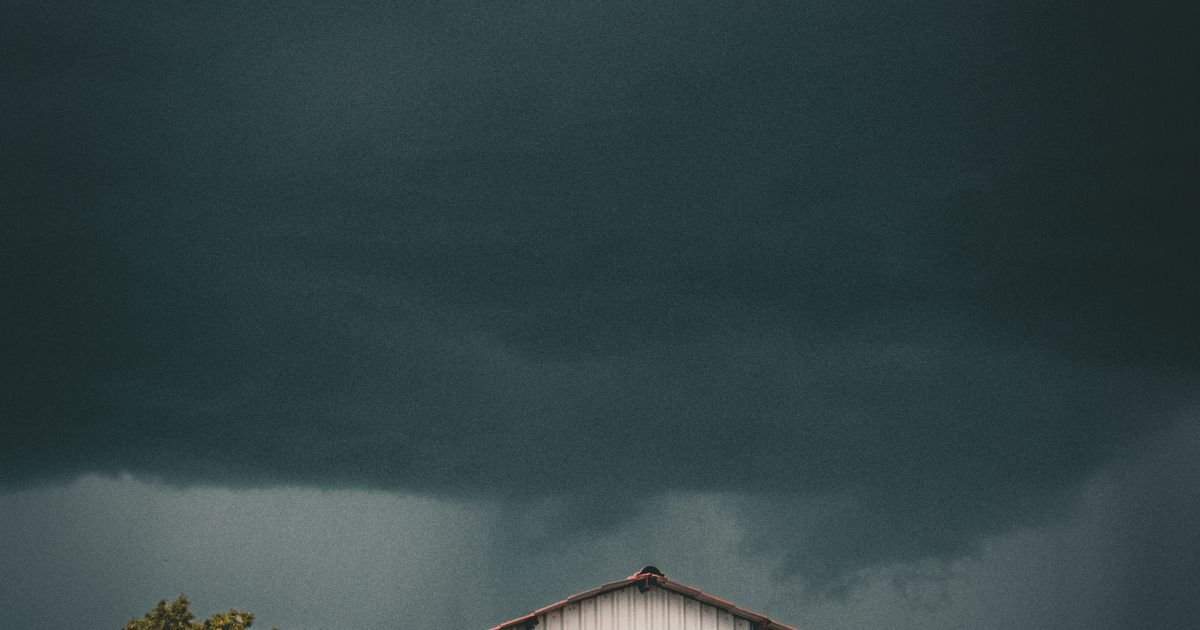
The sky clears, the wind drops, and the first instinct is to go back inside and forget about it. But the hour after a big storm is when your roof tells you the truth. Water finds every weakness quickly, and the difference between a small repair and a ruined ceiling is usually just how soon someone looked.
You do not need to climb up there. In fact, please do not. Almost everything worth knowing can be found from the ground, the attic, and the rooms below.
Start from the ground with binoculars
Walk the perimeter of your house and look up. A pair of binoculars turns this into a proper inspection. You are looking for shingles that are missing, cracked, or lifted at the corners. On a metal roof, look for panels that have shifted or fasteners that have backed out. Check the flashing around chimneys and vents, because that thin metal is often the first thing wind gets under.
Look at the gutters too. Gutters packed with shingle granules after a storm tell you the roof surface took a beating. A few granules are normal wear. Handfuls of them are a warning.
Then check the attic before the ceilings
Go up to the attic with a flashlight while it is still daylight. Look at the underside of the roof deck for damp spots, dark streaks, or daylight peeking through where it should not. Touch the insulation. If it is damp, water is getting in even if nothing shows on the ceiling yet.
Attics also reveal slow damage that storms make worse. A roof that has been quietly leaking for months will show stained decking and soft wood around vents. Storms do not create most leaks out of nothing. They expose the ones that were already there.
Know what can wait and what cannot
A few lifted shingles on a ten year old roof can usually wait for a scheduled repair visit. Water actively dripping into the house cannot. If you see a bulging spot on a ceiling, that is trapped water, and it will come down on its own schedule, not yours. Put a bucket under it, poke a small relief hole if you are comfortable doing so, and call for help.
When the damage is spread across whole slopes, or when wind has peeled back large sections, you are past the point of spot repairs. A contractor who handles storm damage roof repair will tell you honestly whether the roof can be patched or whether the storm simply finished what age had started.
Photograph everything before you touch anything
If there is any chance of an insurance claim, documentation comes before cleanup. Photograph the damage from multiple angles, photograph the interior stains, and write down the date and time of the storm. Save any weather alerts from that day. Insurers care about timelines, and memories blur faster than shingles dry.
Do not let anyone pressure you into signing repair contracts on the spot while the damage is fresh. The storm chasers who knock on doors the morning after a hailstorm are not known for careful work. Get the roof stabilized, get your photos, and get a second opinion.
When repair stops making sense
Every roof has a math problem hiding in it. Patching a twenty year old roof after every storm costs more over five years than replacing it once, and each patch is a new seam for water to find. If a contractor is recommending a full replacement, ask what a new roof actually runs in your area so you can compare properly. A realistic cost of a new roof for a typical American home falls roughly between $5,800 and $12,800 depending on size, material, and region, with most homeowners landing somewhere in the middle.
That number surprises people in both directions. It is more than a repair, obviously, but less than the water damage, mold remediation, and repeated patch jobs that a failing roof quietly accumulates.
Keep a roofer’s number before you need it
The worst time to find a roofing contractor is with water coming through the ceiling. Ask neighbors who they used, check reviews when nothing is urgent, and save the number of a Tyler roofing contractor you trust somewhere the whole household can find it. The first hour after you discover a leak is when the outcome gets decided, and scrolling through search results at midnight is not a plan.
Storms are part of owning a house. Roofs are built to take them, and most of the time they do. The homeowners who come through it best are not the ones with the newest roofs. They are the ones who looked.