



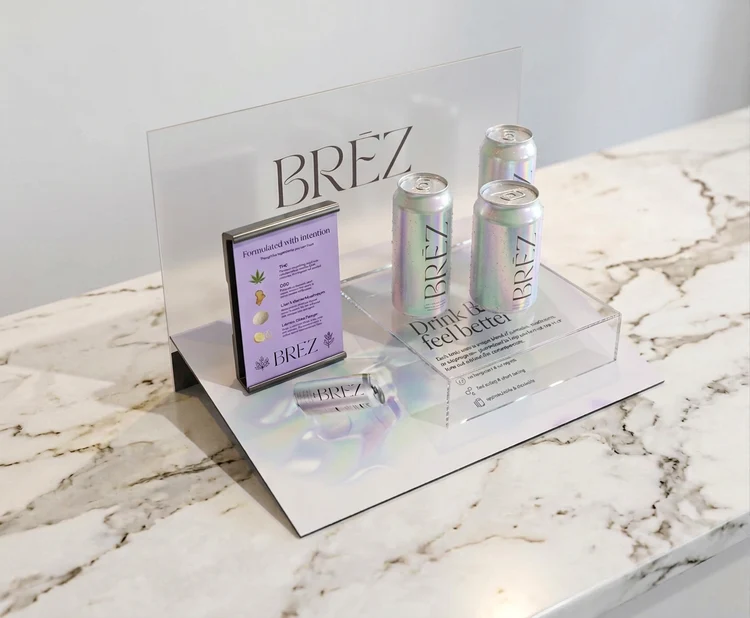
Walk into a busy dispensary on a Saturday afternoon and you can tell within a minute whether the shop has its act together. Products are easy to spot, signs make sense, and nobody is squinting at a crowded shelf trying to work out what’s what. That is dispensary merchandising doing its job. It’s how you arrange, label and present your products so customers can shop with confidence, and often pick up an extra item or two they hadn’t planned on. It isn’t about fancy decor. It’s about making choices easier for the person standing in front of you.
Why It Matters More in Cannabis Than Other Retail
Most retailers can lean on loud advertising and bold packaging. Cannabis shops can’t. Rules on marketing are tight, packaging is regulated, and a lot of products look pretty similar once they’re sitting side by side. So the store itself has to carry more of the selling.
There’s also the customer to think about. Plenty of people walking into a dispensary are new to it. Some feel a little nervous, and some have no idea what the difference between two strains is. If the shelves are messy and the signs are confusing, those people usually grab something safe or leave. A clear layout calms them down, and a calm customer buys more.
Michael Marra, co-founder of Budder Creative, has said on a retail podcast that budtenders shouldn’t be the ones carrying the merchandising load. I agree with that. Your staff should be answering questions and building trust, not rearranging shelves all day to make up for a weak setup.
Start With the Customer’s Walk
Before you buy a single fixture, spend ten minutes just watching how people move through your store. Where do they pause? Where do they bunch up? Where do they look lost?
Most shoppers follow a simple pattern. They come in, take a moment to look around, browse a few categories, make a choice, and head to the register. Each of those moments can be helped with the right display. The entrance should feel open and not crowded. The browsing area needs clear categories, so flower, edibles, vapes and pre-rolls aren’t all mixed together. The checkout zone is where small, easy add-ons belong.
Store size changes things too. A tiny shop can’t copy what a huge megastore does, and it shouldn’t try. In a small space, you pick fewer products and show them better. In a large one, you need clear zones so people don’t feel swallowed up.
Make Shelves and Counters Work Harder
Eye level is the best real estate in your shop, so put your high-margin and best-selling products there. Group items by category and keep the look consistent. When every shelf talks in a different style, the whole store feels random.
Signage deserves more attention than it usually gets. A short line about effects, potency or flavor does a lot of quiet work, especially for newer customers. Keep the wording simple and keep it up to date. Old prices or discontinued products on display make a shop look careless fast.
Also leave some breathing room. Packing every inch of a shelf feels like a warehouse. A bit of empty space makes each product look more valuable, and that’s something people feel even if they can’t explain it.
Where Point of Sale Displays Earn Their Place
The counter and checkout area is where impulse buying happens. Customers have made their main decision, they’re waiting a minute, and their eyes wander. This is exactly where point of sale displays do their best work. A small stand with a pre-roll deal, a new vape, or a limited drop can add sales that would never have happened on a regular shelf.
Brands that sell into dispensaries know this too. Getting your product noticed in someone else’s store is hard, and shelf space is competitive. A neat, well-made display gives your product a fair chance to stand out, and it makes life easier for the shop because it’s simple to set up and doesn’t need constant babysitting.
How Budder Displays Approaches This
Budder Displays is the display side of Budder Creative, a branding, packaging and retail design agency. Their main idea is a modular magnetic system, which they call the Flip System. The graphics are magnetic, so you can swap messaging or change a product in seconds without reprinting a whole fixture. For a cannabis brand, that matters, because products, promotions and even compliance wording change all the time. A display that has to be thrown away every time something changes gets expensive quickly.
A few practical details are worth knowing. According to their site, standard production takes about three weeks, with rush options available, and the displays are made in the USA. If you want to test before committing, they offer prototypes in roughly ten days, with single prototype pricing starting at $250. You can use their art templates and design it yourself, or pay for design help. For brands rolling out across many stores, they also have a Quickstart program that includes planogram layouts and planning for future products, and volume discounts of up to 30% are mentioned on the site.
I’d always suggest starting small. Try one format in a handful of stores, see how staff and customers react, and then scale it up.
Mistakes Worth Avoiding
The most common one is buying displays before thinking about the store layout. A beautiful fixture in the wrong spot does nothing. Another is ignoring local rules. Cannabis regulations change from state to state, and sometimes city to city, so always check what’s allowed for product visibility, locking and signage before you order anything.
Then there’s clutter. More stuff doesn’t mean more sales. And finally, never setting it and forgetting it. Merchandising needs a refresh every few weeks, even if it’s just rotating products and updating a sign.
Final Thoughts
Good merchandising isn’t magic and it doesn’t need a huge budget. It comes down to understanding how your customers move, keeping things clean and clear, and giving the right products the right spotlight. Smart point of sale displays at the counter and flexible fixtures on the floor can lift sales without adding pressure on your team. If you want to explore a modular setup, Budder Displays is worth a look.
FAQs
What is dispensary merchandising?
It’s the way a dispensary arranges products, signs and displays to guide customers and encourage purchases. It covers layout, shelf placement, signage and promotions.
How often should I change my displays?
A light refresh every two to four weeks works well for most shops. Rotate featured products, update signs and fix any gaps. Bigger layout changes can happen a few times a year.
Are point of sale displays useful for small dispensaries?
Yes, probably even more than in big stores. Small shops have less space, so every counter and shelf matters. One well-placed display near checkout can bring in extra sales.
What does Budder Displays offer?
Budder Displays makes modular, magnetic retail displays that are made in the USA, with a standard three-week production time. You can use art templates yourself or add design services, and prototypes are available before a full order.
Do I need to worry about regulations when setting up displays?
Definitely. Rules on visibility, product access and signage differ by state and sometimes by city. Check your local cannabis authority’s guidelines before ordering or installing anything.