

Sunday, July 26, 2026
Google search engine
Home Blog Page 2

Why Google Tag Manager Tags Are Not Firing

If you’ve ever set up tracking and noticed that your Google Tag Manager Tags are not firing, you’re not alone. This is one of the most common issues faced by marketers, developers, and SEO professionals. Whether you are tracking conversions, events, or pageviews, a tag that doesn’t fire can lead to inaccurate data and poor decision-making. Understanding why this happens is crucial, especially when you rely on data for improving performance, optimizing campaigns, and aligning with how search engines work. In this guide, we’ll break down the most common reasons, how to fix them, and best practices to avoid these issues in the future.

What Does “Tags Not Firing” Mean in Google Tag Manager?

When a tag does not fire in google tag manager, it means the conditions you set (called triggers) are not being met, or there is a configuration issue preventing the tag from executing. Tags are responsible for sending data to tools like google analytics for seo, tracking clicks, or recording conversions. If they fail, your analytics becomes incomplete or misleading.

Common Reasons Why Google Tag Manager Tags Are Not Firing

Incorrect Trigger Configuration

One of the most frequent causes is incorrect trigger setup. If the trigger conditions are too restrictive or incorrectly defined, the tag won’t fire. For example, if you set a trigger to fire only on a specific URL but the actual page URL differs slightly, the tag will not activate. Always double-check your trigger rules and test them in preview mode.

Tag Not Published

Another simple but overlooked issue is forgetting to publish changes. Even if everything is correctly set up in preview mode, the tag will not work on the live website until you publish the container. This small mistake can lead to hours of confusion.

JavaScript Errors on the Website

Sometimes, the problem isn’t within google tag manager itself. JavaScript errors on your website can prevent tags from firing properly. These errors can block scripts from executing, which directly impacts tracking. Regular audits and debugging tools can help identify such issues.

Incorrect Tag Setup

Improper configuration of the tag itself can also cause problems. For instance, missing tracking IDs, incorrect event parameters, or misconfigured variables can prevent the tag from working. Always ensure that your tag setup aligns with your tracking goals and keyword intent in seo.

Trigger Conditions Not Met

Triggers depend on user actions or specific conditions. If those conditions are never met, the tag will never fire. For example, if a trigger is set for a button click, but users never click that button, the tag won’t activate. This is why understanding user intent is essential when setting up tracking.

How to Debug Tag Firing Issues

Use Preview Mode

The preview mode in google tag manager is your best friend when troubleshooting. It allows you to see which tags are firing, which are not, and why. You can also inspect trigger conditions and variables in real time.

Check Browser Console

The browser console can reveal JavaScript errors or conflicts that may be blocking your tags. Fixing these issues can often resolve firing problems quickly.

Verify Trigger Conditions

Go through your trigger settings carefully and ensure they match the actual conditions on your website. Small mismatches, such as case sensitivity or URL variations, can cause tags to fail.

Test Across Devices

Sometimes tags behave differently across devices or browsers. Testing on multiple platforms ensures that your tracking works consistently for all users.

Best Practices to Ensure Tags Fire Correctly

Keep Your Setup Simple

Overcomplicating your tag and trigger setup can increase the chances of errors. Start with simple configurations and expand gradually as needed.

Regularly Audit Your Tags

Conduct regular audits to ensure all tags are working correctly. This is especially important if you frequently update your website or implement new tracking requirements.

Align Tags with SEO Goals

Your tracking setup should support your broader SEO strategy. For example, if you are working on a topical authority strategy, ensure your tags track user engagement and content performance effectively.

Document Your Setup

Maintain clear documentation of your tags, triggers, and variables. This makes troubleshooting easier and helps your team stay aligned.

Real-World Example of Tag Firing Issues

Imagine you are running a campaign and tracking form submissions. You set up a tag to fire when users click the submit button. However, the tag doesn’t fire because the form uses AJAX, and the page does not reload. In this case, the trigger needs to be adjusted to track form submission events instead of button clicks. This example highlights the importance of understanding how your website functions.

Impact on SEO and Data Accuracy

When tags fail to fire, your data becomes unreliable. This affects your ability to measure performance, optimize campaigns, and improve rankings. Accurate tracking is essential for understanding how search engines work and how users interact with your content. Without it, even the best strategies, including comparisons like ahrefs vs SEMrush or following a SEMrush SEO workflow, can fall short due to lack of actionable insights.

Conclusion

Fixing issues with Google Tag Manager Tags not firing is essential for maintaining accurate tracking and making informed decisions. From incorrect triggers to JavaScript errors, there are multiple factors that can cause this problem. By using debugging tools, simplifying your setup, and aligning your tracking with your SEO goals, you can ensure your tags work effectively. Ultimately, a well-configured tracking system supports better insights, improved performance, and stronger technical SEO, helping you stay ahead in a competitive digital landscape.

Frequently Asked Questions

Why are my Google Tag Manager tags not firing in preview mode?
This usually happens due to incorrect trigger conditions or JavaScript errors. Check your trigger setup and browser console for issues.
How do I know if a tag is firing correctly?
You can use preview mode in Google Tag Manager to see real-time tag activity and verify whether your tags are firing as expected.
Can JavaScript errors stop tags from firing?
Yes, JavaScript errors on your website can block scripts from executing, which can prevent tags from firing.
Do I need coding knowledge to fix tag issues?
Basic understanding helps, but most issues can be resolved using built-in tools like preview mode and proper configuration.
How often should I audit my tags?
It’s recommended to audit your tags regularly, especially after website updates or changes in your tracking requirements.

How to Track Events in Google Tag Manager

Tracking user interactions on your website is essential if you want to understand behavior, improve conversions, and grow organic traffic. This is where Google Tag Manager becomes a powerful tool. Instead of relying on developers for every small tracking update, you can manage tags, triggers, and variables from one place. Whether you want to track button clicks, form submissions, or scroll depth, event tracking helps you uncover valuable insights. Moreover, when combined with concepts like how search engines work and keyword intent in SEO, event tracking becomes even more impactful for performance-driven websites.

What is Event Tracking in Google Tag Manager?

Event tracking in Google Tag Manager allows you to monitor specific user actions on your website without modifying the code repeatedly. These actions can include clicks, downloads, video plays, or even time spent on a page. Essentially, it bridges the gap between raw traffic and meaningful user behavior. For example, if a user clicks a “Buy Now” button, you can track that as an event and analyze it later. This data is extremely useful when aligning your strategy with user intent and improving conversion funnels.

Why Event Tracking Matters for SEO and Analytics

Event tracking is not just about data collection; it directly impacts your SEO performance. When you understand how users interact with your content, you can optimize pages based on keyword intent in SEO. For instance, if users frequently click on a specific section of your page, it indicates strong user intent. Additionally, integrating event tracking with google analytics for seo helps you measure engagement metrics like bounce rate and session duration. These insights also support your topical authority strategy by helping you refine content clusters and improve internal linking logic.

Basic Components of Google Tag Manager

To track events effectively, you need to understand three core components. Tags are snippets of code that send data to analytics platforms. Triggers define when the tag should fire, such as a button click or page scroll. Variables store dynamic values like page URLs or click text. Together, these elements create a flexible system for tracking user behavior. Once you understand this structure, implementing advanced tracking becomes much easier and more scalable.

Step-by-Step Guide to Track Events

First, log in to your Google Tag Manager account and select your container. Then, create a new trigger. For example, if you want to track button clicks, choose the “Click” trigger type and define conditions such as “Click Text equals Submit.” After that, create a tag and link it to your analytics platform. Configure the tag to send event data, including category, action, and label. Finally, connect the trigger to the tag and publish your changes. This simple workflow ensures accurate tracking without affecting your site’s performance.

Example of Event Tracking in Action

Imagine you run a blog that focuses on SEO topics. You want to track how many users click on your “Download Guide” button. Using Google Tag Manager, you can set up a click trigger for that button. Then, create a tag that sends the event data to your analytics dashboard. Over time, you can analyze how many users interact with that button. This insight helps you refine your content strategy, improve user experience, and align your pages with user intent.

Advanced Event Tracking Techniques

Once you are comfortable with basic tracking, you can move to advanced techniques. Scroll tracking allows you to measure how far users read your content. Video tracking helps you understand engagement with multimedia content. Form tracking shows where users drop off during submissions. These advanced methods provide deeper insights into how search engines work indirectly by analyzing user engagement signals. Additionally, they help improve your SEMrush SEO workflow by identifying content gaps and optimization opportunities.

GTM

Common Mistakes to Avoid

Many beginners make mistakes while setting up event tracking. One common issue is using incorrect trigger conditions, which leads to inaccurate data. Another mistake is not testing tags before publishing them. Always use preview mode to ensure everything works correctly. Also, avoid overloading your container with unnecessary tags, as it can slow down your website. Keeping your setup clean and organized ensures better performance and reliable data collection.

Tips to Optimize Event Tracking

To get the most out of your tracking setup, focus on meaningful interactions rather than tracking everything. For example, prioritize actions that directly impact conversions, such as form submissions or product clicks. Use consistent naming conventions for events to make analysis easier. Additionally, combine event data with insights from tools often compared in discussions like ahrefs vs SEMrush to strengthen your SEO strategy. This approach helps you make data-driven decisions and improve overall performance.

How Event Tracking Supports SEO Growth

Event tracking plays a crucial role in improving your SEO results. By understanding user behavior, you can optimize your content based on keyword intent in SEO. For instance, if users spend more time on certain sections, you can expand those topics to build topical authority strategy. Moreover, tracking engagement metrics helps you refine your content structure, making it more aligned with how search engines work. This ultimately leads to better rankings, higher engagement, and improved conversions.

Conclusion

Tracking events using Google Tag Manager is a game-changer for website optimization. It allows you to monitor user interactions, improve content performance, and align your strategy with real user behavior. From basic click tracking to advanced engagement analysis, the possibilities are endless. When combined with a strong understanding of technical seo, event tracking becomes a powerful tool for boosting visibility, enhancing user experience, and achieving long-term growth.

Frequently Asked Questions

What is Google Tag Manager used for?
Google Tag Manager is used to manage and deploy tracking codes on a website without directly editing the code, making it easier to track user interactions.
Do I need coding skills to use Google Tag Manager?
No, basic understanding is enough. Most tasks can be done using the interface, though some advanced setups may require minimal coding knowledge.
How does event tracking help SEO?
Event tracking helps you understand user behavior, optimize content for user intent, and improve engagement metrics, which indirectly supports SEO performance.
Can I track multiple events on one page?
Yes, you can track multiple events such as clicks, scrolls, and form submissions by creating different triggers and tags.
Is Google Tag Manager free to use?
Yes, Google Tag Manager is completely free and widely used for managing tracking and analytics efficiently.

Top Trending K-Dramas to Watch in 2026 (Must-See Picks & Action Hits)

If you’re searching for the top netflix k-dramas to watch in 2026, you’re in the right place. Korean dramas continue to dominate global streaming charts with their powerful storytelling, cinematic visuals, and addictive plots. From high-intensity action thrillers to emotional storylines, 2026 is shaping up to be one of the biggest years yet for K-drama fans.

Why K-Dramas Are Still Dominating in 2026

K-dramas have evolved far beyond traditional romance plots. Today, they combine global storytelling techniques with strong character development and unique cultural elements. One major reason behind their success is the increasing investment in production quality, making them comparable to Hollywood-level shows. Additionally, global audiences are now more open to subtitles, which has expanded the reach of Korean content significantly. With the rise of streaming platforms, the demand for netflix upcoming shows 2026 has increased, and Korean dramas are leading that demand.

Trending Genres in Korean Dramas This Year

In 2026, action, thriller, and crime dramas are taking center stage. Viewers are especially drawn to fast-paced storytelling and realistic fight sequences. Alongside that, psychological thrillers and revenge-based plots are gaining popularity. While romantic dramas still exist, they are now often blended with action or suspense elements to keep viewers hooked. This shift explains why many fans are actively searching for the best action series on netflix right now, especially from Korea.

Must-Watch Korean Action Dramas in 2026

Action-packed K-dramas are at an all-time high, offering gripping narratives and intense fight scenes. Series similar to underground fighting, crime syndicates, and revenge arcs are dominating the charts. If you enjoyed hard-hitting action stories, then exploring the best korean action dramas like bloodhounds will definitely keep you entertained. These dramas not only deliver thrilling sequences but also focus on emotional depth, making them more engaging than typical action shows.

Upcoming Korean Series Release Dates 2026

Keeping track of the upcoming korean series release dates 2026 is essential for every fan who doesn’t want to miss out on new releases. Several highly anticipated dramas are scheduled throughout the year, including sequels, spin-offs, and completely new concepts. Industry trends suggest that most big releases will be spread across quarterly schedules, ensuring a steady flow of content. This approach keeps audiences engaged and reduces long waiting periods between major releases.

Updated Netflix Korean Dramas List

If you’re building your watchlist, having a netflix korean dramas list (updated) can save you time. This year’s list includes a mix of ongoing hits, returning fan favorites, and fresh releases. From crime thrillers to emotional dramas, the variety is wider than ever.

What Makes Action K-Dramas Stand Out

Unlike traditional action series, Korean dramas focus heavily on storytelling and character arcs. Even in high-action scenes, emotional stakes remain strong. This balance makes viewers feel connected to the characters, increasing overall engagement. Additionally, fight choreography and cinematography are now more refined, making these dramas visually appealing. This is why they consistently rank among the best action series on netflix right now.

Tips to Choose the Right K-Drama for You

Choosing the right drama can be overwhelming due to the vast number of options available. Start by identifying your preferred genre—action, romance, thriller, or comedy. Next, check ratings and viewer reviews to understand the storyline quality. You can also follow trending lists like netflix upcoming shows 2026 to stay updated with popular releases. Lastly, watch trailers before committing to a series, as this gives you a quick idea of the tone and pacing.

How K-Dramas Are Shaping Global Entertainment

Korean dramas are no longer limited to a niche audience. They are now influencing global storytelling trends, production quality, and even casting decisions in international shows. The rise in demand for Korean content has also opened doors for collaborations across countries. As a result, the popularity of K-dramas is expected to grow even further in the coming years.

Conclusion

As we move deeper into 2026, Korean dramas continue to redefine global entertainment standards with their innovation and storytelling depth. From intense action thrillers to emotionally rich narratives, there’s something for every viewer. If you’re building your watchlist, focusing on trending genres and updated recommendations can make your experience much better. And with highly anticipated releases like bloodhounds season 2 netflix, fans of action-packed storytelling have even more to look forward to in the coming months.

Frequently Asked Questions

What are the best Korean dramas to watch in 2026?
The best dramas include a mix of action, thriller, and emotional series. Updated lists and trending charts can help you find the most popular options.
Are Korean action dramas worth watching?
Yes, they combine strong storytelling with intense action, making them highly engaging compared to traditional action series.
How can I stay updated with new K-drama releases?
You can follow release calendars and track upcoming Korean series release dates 2026 to stay informed about new shows.
What makes Korean dramas different from other series?
They focus more on character development, emotional depth, and unique storytelling techniques, which make them stand out globally.
Is Bloodhounds Season 2 coming in 2026?
While official details may vary, there is strong anticipation among fans, and it remains one of the most awaited sequels.

Bloodhounds Season 2 Plot Twist That Changes Everything

Fans have been eagerly waiting for Bloodhounds Season 2, and the excitement is real for good reason. After a gripping first season filled with intense action, emotional storytelling, and powerful performances, the upcoming sequel promises to raise the stakes even higher. What makes this season even more thrilling is the rumored plot twist that could completely change the direction of the story. Whether you’re a longtime fan or just exploring the world of Korean action dramas, this blog will give you a clear, engaging breakdown of what to expect and why this twist matters.

What Made Season 1 So Popular

Before diving into the new season, it’s important to understand why the first installment became such a massive hit. The show combined high-octane fight scenes with a deeply emotional narrative about friendship, loyalty, and survival. Viewers connected with the characters because their struggles felt real, especially in a world dominated by crime and corruption.

Additionally, the series stood out among the best action series on netflix right now due to its realistic fight choreography and strong character development. Unlike many action dramas that rely purely on spectacle, this show balanced storytelling with action, making it appealing to a wider audience.

Bloodhounds Season 2: What We Know So Far

As anticipation builds, discussions around the bloodhounds season 2 release date and storyline continue to trend across fan communities. While exact details remain limited, insiders suggest that the new season will pick up from the emotional aftermath of the previous finale.

The stakes are expected to be much higher this time. The main characters will face new enemies, deeper betrayals, and tougher moral decisions. Moreover, the storyline is rumored to expand beyond street-level conflicts into a broader network of power and influence.

The Plot Twist That Changes Everything

The biggest buzz surrounding the new season revolves around a shocking twist that could redefine the entire narrative. Without giving away spoilers, the twist is expected to challenge the core relationships established in the first season.

This unexpected development might involve a betrayal or hidden motive from a key character. Such twists are not uncommon in Korean dramas, but when done right, they can elevate a series from good to unforgettable. For example, many successful dramas use character-driven twists to keep audiences emotionally invested.

In this case, the twist is likely to force viewers to question everything they thought they knew about the characters. It could blur the line between hero and villain, making the story more complex and engaging.

How the Twist Impacts Character Development

One of the strongest aspects of the series has always been its characters. With the introduction of this twist, their journeys are expected to become even more layered.

The protagonists may face internal conflicts that test their values and loyalty. Meanwhile, supporting characters could take on more significant roles, adding depth to the overall narrative. This approach aligns with trends seen in the top netflix k-dramas to watch in 2026, where character complexity plays a key role in audience engagement.

As a result, viewers can expect more emotional moments alongside the action, making the series even more compelling.

Why This Season Could Redefine Korean Action Dramas

Korean dramas have gained global popularity in recent years, and action-focused series are leading the charge. Shows like this are often included in the best korean action dramas like bloodhounds due to their unique storytelling style.

Season 2 has the potential to set a new benchmark by combining intense action with unpredictable storytelling. If executed well, the plot twist could become one of the most talked-about moments in modern K-drama history.

Furthermore, the series is expected to influence future entries in the netflix korean dramas list (updated) by setting higher standards for writing and production quality.

Trends in Upcoming Korean Series

The buzz around this show also ties into broader industry trends. Many fans are actively searching for upcoming korean series release dates 2026 and exploring netflix upcoming shows 2026 to stay ahead of new releases.

Interestingly, recent data suggests that action and thriller genres have seen a 30–40% increase in global viewership over the past few years. This growing demand explains why shows like this are receiving bigger budgets and more ambitious storylines.

As a result, netflix bloodhounds season 2 is not just another sequel—it’s part of a larger movement shaping the future of global entertainment.

What Fans Should Expect

Going into the new season, fans should prepare for a mix of action, emotion, and suspense. The storytelling is expected to be tighter, the stakes higher, and the characters more complex.

It’s also a good idea to revisit the first season to fully appreciate the depth of the upcoming twist. Paying attention to subtle details and character interactions can enhance your viewing experience significantly.

Additionally, engaging with fan theories and discussions can make the wait more enjoyable. Many viewers enjoy predicting plot developments, and this season provides plenty of material for speculation.

Conclusion

In conclusion, Bloodhounds Season 2 is shaping up to be one of the most exciting releases in the action drama genre. With a game-changing plot twist, deeper character arcs, and a more ambitious storyline, the new season has all the ingredients needed for success. Whether you’re exploring trending shows or keeping up with global entertainment, this series deserves a spot on your watchlist. As anticipation continues to grow, it’s clear that bloodhounds season 2 netflix discussions will dominate fan conversations for months to come.

Frequently Asked Questions

What is Bloodhounds Season 2 about?
It continues the story of the main characters as they face new challenges, stronger enemies, and deeper emotional conflicts.
When is the Bloodhounds Season 2 release date?
The official date hasn’t been confirmed yet, but it is expected to be announced soon as part of upcoming releases.
Is there a major plot twist in Season 2?
Yes, the new season is rumored to include a significant twist that changes the direction of the story and character relationships.
Is Bloodhounds a good action drama to watch?
Absolutely, it is considered one of the best Korean action dramas like Bloodhounds due to its strong storytelling and intense action scenes.
Where can I watch Bloodhounds Season 2?
The series will be available on streaming platforms once released, as part of the latest lineup of global shows.

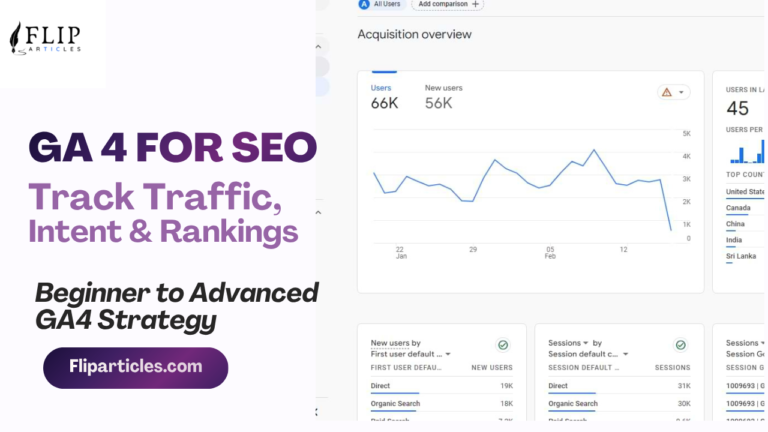
How to Use Google Analytics 4 for SEO Tracking (Future-Ready Guide)

If you’re still measuring SEO success only by traffic, you’re already behind. Modern search is no longer about just ranking keywords—it’s about understanding user behavior, intent, and context. That’s exactly where Google Analytics 4 becomes essential for anyone serious about building a scalable and future-proof SEO strategy.

In this guide, you’ll learn how to use Google Analytics for SEO tracking in a way that aligns with semantic search, entity-based optimization, and evolving systems like Google MUVERA, where a single query can carry multiple meanings and user intents.

Why Google Analytics 4 Matters for SEO Today

To understand the importance of GA4, you first need to understand how Google works today. Search engines have evolved far beyond simple keyword matching. They now interpret meaning, relationships between topics, and how users interact with content after clicking on it. This means rankings are influenced not just by relevance, but also by how well your content satisfies user intent.

GA4 gives you access to this behavioral layer. Instead of just showing how many users visited your website, it reveals what they did, how long they stayed, whether they engaged, and if they converted. These insights directly connect with modern SEO signals, making GA4 a powerful tool for improving your rankings in a meaningful way.

The key shift here is simple: SEO is no longer just about getting clicks—it’s about earning engagement.

Understanding SEO Through Data and User Intent

When people search online, they don’t just type keywords—they express intent. This concept, often referred to as keyword intent in SEO, is critical because it determines what type of content should rank. Some users want information, others want comparisons, and some are ready to take action.

GA4 helps you decode this behavior. By analyzing engagement metrics such as session duration, scroll depth, and user flow, you can identify whether your content aligns with user intent or not. For example, if users land on a page and leave quickly, it may indicate a mismatch between what they expected and what they found.

This is where understanding how search engines work becomes practical rather than theoretical. Search engines prioritize content that satisfies users, and GA4 gives you the data needed to measure that satisfaction.

Setting Up Google Analytics for SEO Tracking

To use GA4 effectively for SEO, integration is everything. Connecting it with Google Search Console allows you to combine keyword-level insights with user behavior data. This connection bridges the gap between what people search and how they interact with your content after clicking.

Similarly, integrating Google Tag Manager enhances your ability to track custom events such as scroll depth, button clicks, and form submissions. These micro-interactions provide deeper insights into user engagement, which is a crucial ranking signal in today’s SEO landscape.

Once these integrations are in place, GA4 becomes more than just an analytics tool—it becomes a decision-making engine for your SEO strategy.

Tracking the Right SEO Metrics in GA4

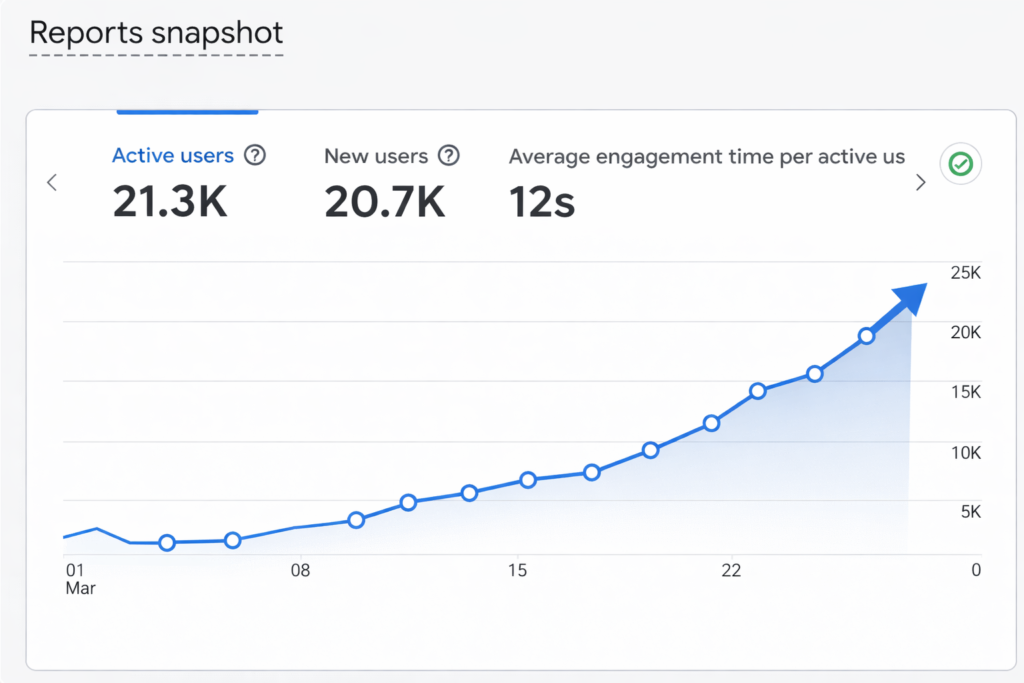
One of the biggest mistakes in SEO is focusing on vanity metrics. Traffic alone doesn’t tell the full story. What truly matters is how users behave after arriving on your site. GA4 allows you to analyze organic sessions alongside engagement rate, average engagement time, and conversions.

When you look at landing pages in GA4, you can identify which pages attract organic traffic and how effectively they retain users. Pages with high traffic but low engagement often signal a content gap. This is an opportunity to refine your content, align it better with intent, and improve its overall quality.

This data-driven approach transforms your SEO strategy from guesswork into a structured optimization process.

Using GA4 to Build a Strong SEO Strategy

A successful SEO strategy today is built on continuous improvement, not one-time optimization. GA4 supports this by helping you identify patterns and trends in user behavior. For example, if certain topics consistently generate higher engagement, it indicates strong relevance and authority in that area.

This is where the concept of a topical authority strategy comes into play. Instead of targeting isolated keywords, you build clusters of related content that cover a topic in depth. GA4 helps you validate these clusters by showing which topics resonate most with your audience.

At the same time, you can identify low competition keywords by analyzing pages that receive traffic but have room for improvement in engagement or conversions. Optimizing these pages often delivers quicker SEO wins compared to targeting highly competitive terms.

Entity SEO and Semantic Search in GA4

Modern SEO revolves around entities rather than just keywords. Entities are real-world concepts that search engines understand, such as brands, tools, or topics. GA4 helps you evaluate how well your content performs around these entities by tracking engagement across related pages.

For example, if your website covers topics like technical SEO, keyword research, and analytics tools, GA4 can show which of these areas drives the most meaningful interactions. This insight allows you to strengthen connections between topics, improve internal linking, and build a more cohesive content ecosystem.

This approach aligns perfectly with semantic search, where the goal is to provide comprehensive and contextually relevant information rather than isolated keyword-focused content.

Multi-Intent SEO and the Role of GA4

With advancements like MUVERA, search queries are no longer single-dimensional. A user searching for “Google Analytics for SEO” might be looking for a guide, a comparison, or a practical setup tutorial—all at once.

GA4 helps you track these multiple intents by analyzing user journeys. By observing how users navigate your site, which pages they visit next, and where they drop off, you can identify gaps in your content strategy. This allows you to create multi-intent content that satisfies different types of users within a single page.

The result is better engagement, improved rankings, and higher conversion rates.

Improving Technical SEO with GA4 Insights

Although GA4 is primarily a behavioral analytics tool, it plays a significant role in improving technical SEO. By identifying pages with high bounce rates or low engagement, you can uncover underlying issues such as slow loading speeds, poor mobile experience, or weak content structure.

When combined with performance tools, GA4 helps you prioritize fixes that have the greatest impact on user experience. This ensures that your website not only ranks well but also delivers a smooth and satisfying experience to visitors.

Final Thoughts

Using Google Analytics for SEO is no longer optional—it’s essential. In a world where search engines prioritize user experience, GA4 provides the insights needed to understand, optimize, and scale your content effectively.

Instead of relying on assumptions, you can make data-driven decisions that align with user intent, semantic search, and entity-based optimization. This not only improves your rankings but also builds long-term authority in your niche.

If you want to stay ahead in SEO, start using GA4 as more than just a reporting tool. Use it as a strategy engine that guides every decision you make.

Frequently Asked Questions

What is Google Analytics 4 in SEO?
Google Analytics 4 is a behavioral analytics platform that helps track user interactions, engagement, and conversions, making it essential for modern SEO strategies.
How does GA4 help in understanding user intent?
GA4 tracks user actions such as clicks, scrolls, and session paths, helping you understand what users are looking for and whether your content meets their expectations.
Can GA4 replace keyword research tools?
No, but it complements them by showing how users behave after landing on your website, helping you refine your keyword targeting.
Why is engagement important for SEO?
Engagement signals indicate content quality and relevance, which are key factors in modern search engine ranking algorithms.

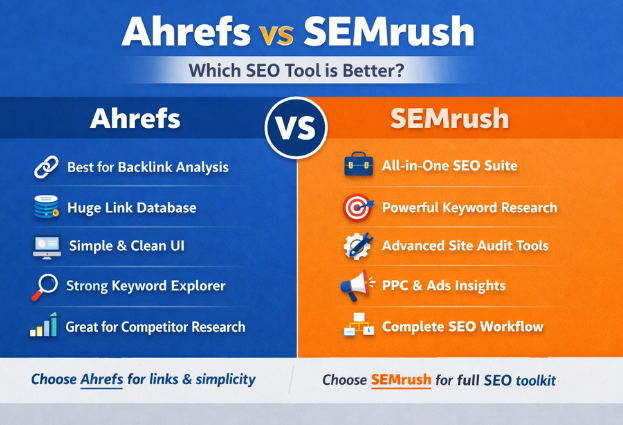
Ahrefs vs SEMrush: Which SEO Tool is Better?

When comparing Ahrefs vs SEMrush, many beginners and even experienced marketers find it difficult to decide which tool fits their SEO goals. Both platforms are widely used for improving visibility, analyzing competitors, and understanding how search engines work. However, choosing the right one depends on your workflow, budget, and the specific features you need to grow your website traffic.

Understanding SEO Tools and Why They Matter

Before diving into the comparison, it’s important to understand why SEO tools are essential. These tools help you analyze rankings, track backlinks, and identify opportunities to improve your website. Since search engines work by crawling, indexing, and ranking content based on relevance and quality, using the right tool can simplify complex data and help you make smarter decisions.

Moreover, SEO tools play a critical role in understanding keyword intent in SEO, which allows you to align your content with what users are actually searching for.

Keyword Research Capabilities

Keyword research is the backbone of any SEO strategy, and this is where both tools offer strong features. One tool is known for its massive keyword database and ability to generate keyword ideas quickly. It provides metrics like search volume, difficulty, and keyword intent, making it easier to target the right audience.

On the other hand, the competing tool stands out with its structured keyword clustering and suggestions based on user intent. This helps you understand whether a keyword is informational, navigational, or transactional. For example, if you’re targeting “buy running shoes,” the tool can guide you toward high-converting keywords based on user intent.

In practice, both platforms help you build content strategies, but one may feel more intuitive for beginners, while the other offers deeper insights for advanced users.

Backlink Analysis and Link Building

Backlinks remain one of the most important ranking factors, and both tools excel in this area. One platform is widely recognized for having one of the largest backlink databases, allowing you to analyze competitor links and identify new opportunities.

The other tool offers a slightly more visual approach, with easy-to-understand reports and link-building suggestions. It also provides outreach features that help you connect with website owners for link-building campaigns.

For example, if you’re working on a topical authority strategy, analyzing competitor backlinks can help you discover content gaps and build stronger authority in your niche.

Site Audit and Performance Tracking

A proper SEO audit checklist is essential for maintaining a healthy website. Both tools provide comprehensive site audit features that identify technical issues such as broken links, duplicate content, and slow page speed.

One tool offers a clean and simple dashboard that highlights issues in a prioritised manner, making it easier for beginners to fix errors step by step. Meanwhile, the other tool provides more detailed reports and advanced filters, which are useful for larger websites or agencies handling multiple clients.

In addition, performance tracking features allow you to monitor keyword rankings and measure progress over time. This helps you adjust your strategy based on real data rather than assumptions.

Competitor Analysis Features

Understanding your competitors is crucial in SEO, and both tools provide strong competitor analysis features. One platform allows you to quickly identify which keywords your competitors are ranking for and how much traffic they are receiving.

The other tool goes a step further by offering a complete semrush seo workflow, including keyword gap analysis, traffic insights, and advertising data. This makes it easier to create a well-rounded strategy that covers both organic and paid search.

For instance, if your competitor is ranking for a high-volume keyword, you can analyze their content and create a better, more optimized version to outrank them.

Content Optimisation and Strategy

Content is still king, but without proper optimisation, even the best content may fail to rank. Both tools offer features that help you improve content quality and relevance.

One tool focuses on backlink-driven content strategies, helping you identify which topics attract the most links. The other tool provides content templates and recommendations based on top-ranking pages.

These insights are especially useful when building an internal linking architecture, as they help you connect related pages and improve overall site structure. A strong internal linking strategy not only enhances user experience but also helps search engines understand your content hierarchy.

Ease of Use and Learning Curve

Ease of use is another important factor when comparing SEO tools. One platform is often praised for its simple and user-friendly interface, making it ideal for beginners who are just starting their SEO journey.

In contrast, the other tool offers a more feature-rich interface, which may feel overwhelming at first but becomes powerful once you understand its workflow. For intermediate users, this can be a major advantage, as it provides more control and customisation options.

Ultimately, your choice depends on whether you prefer simplicity or advanced functionality.

Pricing and Value for Money

Pricing is often a deciding factor for many users. One tool is generally considered slightly more affordable, especially for individuals and small businesses. It offers essential features without overwhelming users with too many options.

The other tool, while slightly more expensive, provides a broader range of features, including advertising insights and advanced analytics. This makes it a better choice for agencies or businesses that require a comprehensive SEO solution.

When evaluating pricing, it’s important to consider the value you’re getting rather than just the cost. A tool that saves time and improves results can be worth the investment.

Which One Should You Choose?

Choosing between these two tools ultimately depends on your needs. If your primary focus is backlink analysis and straightforward SEO insights, one tool may be the better option. However, if you’re looking for an all-in-one solution with advanced features and a complete workflow, the other tool might be more suitable.

For beginners, starting with a simpler tool can help you understand the basics of SEO. As you gain experience, you can explore more advanced features to refine your strategy.

Conclusion

In the Ahrefs vs. SEMrush debate, there is no one-size-fits-all answer. Both tools offer powerful features that can significantly improve your SEO performance. The key is to choose the one that aligns with your goals, workflow, and level of expertise.

As you continue to learn and grow in SEO, focusing on strategies like keyword intent, user intent, and building a strong internal linking architecture will be essential. Additionally, integrating tools like Google Analytics for seo can help you measure performance and refine your approach.

Finally, remember that no tool can replace a solid strategy. By combining the right tool with a well-planned approach and attention to Technical SEO, you can achieve long-term success in search rankings.

Frequently Asked Questions

Which tool is better for beginners?
Both tools are beginner-friendly, but one offers a simpler interface, making it easier for new users to get started quickly.
Can I use both tools together?
Yes, many professionals use both tools to combine their strengths, especially for keyword research and competitor analysis.
Which tool has better backlink data?
Both tools provide strong backlink analysis, but one is often known for having a slightly larger and more frequently updated database.
Do these tools help with content strategy?
Yes, both tools provide insights into keyword intent and content optimization, helping you create better-performing content.
Is investing in an SEO tool worth it?
Absolutely. A good SEO tool can save time, provide valuable insights, and help you achieve better rankings more efficiently.

How to Find Low Competition Keywords with High Traffic Potential

Finding the right keywords is the backbone of any successful SEO strategy. If you want to rank faster and drive consistent traffic, targeting Low Competition Keywords is one of the smartest moves you can make. These keywords allow even new or small websites to compete effectively without battling high-authority domains. However, identifying them requires more than guesswork—it demands an understanding of how Search Engines Work, user behavior, and strategic keyword research techniques.

In this guide, you’ll learn practical methods to discover keywords that are easier to rank for yet still bring valuable traffic.

What Are Low Competition Keywords?

Low competition keywords are search terms that have relatively fewer websites targeting them, making it easier to rank in search results. These keywords often have moderate search volume but high relevance to a specific audience. Unlike broad keywords, they are usually more specific and aligned with Keyword Intent in SEO, which increases the chances of conversion.

For example, instead of targeting “shoes,” a low competition keyword would be “handmade leather shoes for men.” This specificity reduces competition and improves targeting accuracy.

Why Low Competition Keywords Matter

Targeting low competition keywords offers several advantages, especially for beginners and growing websites. First, they help you rank faster because fewer authoritative sites are competing for them. Second, they bring highly targeted traffic, which often results in better engagement and conversions.

Moreover, focusing on these keywords helps build a strong foundation for your topical authority strategy. As you create more content around related topics, your website becomes more relevant in the eyes of search engines.

Understanding Search Intent Before Keyword Selection

Before choosing any keyword, it’s crucial to understand User intent. Every search query has a purpose—whether informational, navigational, or transactional. Aligning your content with Keyword Intent in SEO ensures that you meet the needs of your audience.

For instance, someone searching “how to start a blog” is looking for information, while “buy running shoes online” indicates purchase intent. Choosing keywords without understanding intent can lead to poor engagement and higher bounce rates.

Methods to Find Low Competition Keywords

Use Long-Tail Keywords

Long-tail keywords are longer, more specific phrases that usually have lower competition. They may have less search volume individually, but collectively they can drive significant traffic.

For example, instead of “digital marketing,” you can target “digital marketing strategies for small businesses.” These keywords are easier to rank for and align better with user needs.

Analyze Search Results Manually

One of the simplest ways to identify competition is by analyzing search results. Look at the top-ranking pages and evaluate their content quality, domain authority, and relevance.

If you notice weak or outdated content ranking on the first page, it’s a good opportunity to create better content and outrank them.

Leverage Keyword Research Tools

Using tools can simplify your keyword research process. Following a structured approach like a SEMrush SEO Workflow helps you identify keywords based on difficulty, volume, and trends.

Look for keywords with moderate search volume and low keyword difficulty scores. These are often hidden opportunities that many marketers overlook.

Explore Related Searches and Suggestions

Search engines provide valuable insights through related searches and auto-suggestions. These suggestions are based on real user queries, making them a goldmine for low competition keywords.

You can also explore question-based queries such as “how,” “what,” and “best ways to,” which often have lower competition and high engagement potential.

Evaluate Keyword Metrics Carefully

Not all low competition keywords are worth targeting. You need to evaluate them based on key metrics such as search volume, keyword difficulty, and click-through rate.

Additionally, use Google Analytics for SEO to track how your chosen keywords perform. This helps you refine your strategy and focus on keywords that actually drive traffic and conversions.

Optimize Content Around Selected Keywords

Create High-Quality Content

Once you’ve selected your keywords, the next step is to create valuable content. Your content should be informative, engaging, and aligned with user intent.

Focus on solving problems, answering questions, and providing actionable insights. High-quality content not only ranks better but also builds trust with your audience.

Improve Internal Linking Structure

A strong Internal Linking Architecture helps search engines understand your website structure and improves page authority distribution.

Link related articles together to guide users and search engines through your content. This also increases time spent on your site and reduces bounce rates.

Follow an SEO Audit Checklist

Regularly reviewing your website using an SEO Audit Checklist ensures that your pages are optimized for search engines.

Check for issues like broken links, slow loading speed, missing meta tags, and poor mobile usability. Fixing these issues can significantly improve your rankings.

Build Topical Authority for Long-Term Growth

Instead of focusing on isolated keywords, build clusters of related content. This approach strengthens your Topical Authority Strategy and signals expertise to search engines.

For example, if your niche is fitness, create multiple articles around workouts, nutrition, and recovery. Over time, this builds credibility and improves rankings across multiple keywords.

Common Mistakes to Avoid

Many beginners make the mistake of targeting only high-volume keywords, ignoring competition. Others fail to consider user intent, leading to irrelevant traffic.

Another common mistake is neglecting content quality. Even low competition keywords require well-optimized and valuable content to rank effectively.

Conclusion

Finding the right keywords doesn’t have to be complicated. By focusing on Low Competition Keywords, understanding user intent, and following a structured approach, you can significantly improve your chances of ranking higher in search results. Combine this with consistent content creation, proper analysis, and optimization techniques to achieve long-term success.

Finally, don’t forget that SEO is not just about keywords—it also involves optimizing your website’s performance, structure, and usability. Paying attention to technical SEO ensures that your efforts are supported by a strong foundation, helping your content reach its full potential.

Frequently Asked Questions

What are low competition keywords?
Low competition keywords are search terms with fewer websites targeting them, making it easier to rank on search engines.
How do I find low competition keywords?
You can find them by using keyword research tools, analyzing search results, and focusing on long-tail keywords with specific intent.
Why is user intent important in keyword research?
User intent helps you understand what the searcher is looking for, allowing you to create content that matches their needs and improves engagement.
Can low competition keywords bring high traffic?
Yes, when chosen correctly, they can drive targeted traffic and often result in higher conversion rates.
How often should I update my keyword strategy?
You should review and update your keyword strategy regularly using tools like Google Analytics for SEO to adapt to changing trends and performance.

How to Build an SEO Strategy from Scratch: Keyword Research to Ranking #1

Building a successful SEO Strategy from scratch might seem overwhelming at first, but with the right approach, it becomes a structured and rewarding process. Whether you’re a beginner or someone looking to refine your skills, understanding how search engines work is the foundation of achieving consistent rankings. In simple terms, search engines aim to deliver the most relevant and valuable content to users based on their queries. Therefore, your strategy must align with both user expectations and algorithm requirements. In this guide, we’ll walk you through everything from keyword research to ranking #1, using practical steps, examples, and actionable tips.

Understanding How Search Engines Work

Before diving into tactics, it’s essential to understand how search engines work. Search engines use crawlers to scan websites, index content, and rank pages based on hundreds of factors. These factors include relevance, content quality, website structure, and user experience. For example, when someone searches for “best fitness tips,” search engines analyze pages that closely match the query’s user intent and rank the most useful ones higher. Knowing this helps you create content that not only targets keywords but also satisfies what users are actually looking for.

Step 1: Start with Keyword Research

Keyword research is the backbone of any effective SEO plan. It involves identifying the terms your target audience is searching for and understanding their search behaviour. Instead of focusing only on high-volume keywords, you should also consider long-tail keywords, which often have less competition and higher conversion rates. For instance, instead of targeting “SEO,” you might target “how to create an SEO plan for beginners.” Additionally, focusing on keyword intent in SEO ensures that your content aligns with what users expect, whether they are looking for information, products, or solutions.

Step 2: Understand Keyword Intent in SEO

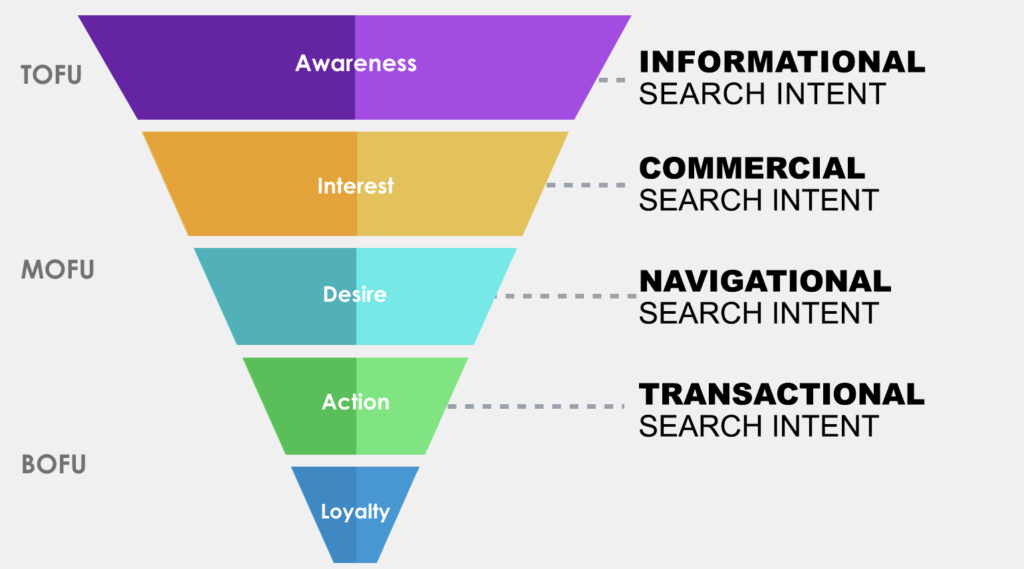
Not all keywords are created equal, and this is where keyword intent in SEO plays a crucial role. There are generally four types of intent: informational, navigational, transactional, and commercial. For example, a keyword like “what is digital marketing” indicates informational intent, while “buy running shoes online” shows transactional intent. By understanding User intent, you can tailor your content accordingly. Pages that match intent accurately are more likely to rank higher and engage users effectively, which ultimately improves your SEO performance.

Step 3: Build a Topical Authority Strategy

To stand out in competitive niches, you need more than isolated blog posts; you need a Topical Authority Strategy. This involves creating a cluster of related content around a central topic. For example, if your main topic is SEO, you can create supporting articles on keyword research, on-page optimisation, and link building. This interconnected structure signals to search engines that your website is a trusted source on the subject. Over time, building topical authority increases your chances of ranking multiple pages for related queries and strengthens your domain credibility.

Step 4: Optimize On-Page SEO Elements

On-page SEO is where your keyword research comes to life. This includes optimising titles, meta descriptions, headings, and content. Make sure your primary keyword appears naturally in your title and introduction, while secondary keywords are distributed throughout the content. Additionally, use clear headings and short paragraphs to improve readability. For example, including keywords in H2 and H3 headings helps search engines understand your content structure. However, avoid keyword stuffing, as it can harm your rankings rather than improve them.

Step 5: Create High-Quality, Engaging Content

Content is the driving force behind any SEO strategy. High-quality content not only ranks well but also keeps users engaged. According to studies, longer and more detailed content tends to perform better in search results because it provides comprehensive information. However, quality matters more than length. Focus on solving problems, answering questions, and delivering value. Use examples, statistics, and real-world scenarios to make your content more relatable. Engaging content encourages users to spend more time on your site, which is a positive ranking signal.

Step 6: Focus on Technical SEO Foundations

While content and keywords are important, the technical side of your website cannot be ignored. Technical SEO ensures that search engines can crawl and index your site efficiently. This includes optimising site speed, ensuring mobile-friendliness, fixing broken links, and using secure connections. For example, a slow-loading website can lead to higher bounce rates, negatively affecting your rankings. By addressing these technical aspects, you create a strong foundation that supports your overall SEO efforts.

Step 7: Build High-Quality Backlinks

Backlinks remain one of the most influential ranking factors. They act as votes of confidence from other websites, signalling to search engines that your content is trustworthy. However, quality matters more than quantity. A few high-quality backlinks from authoritative sites are more valuable than numerous low-quality ones. You can earn backlinks by creating shareable content, writing guest posts, or collaborating with industry experts. Over time, a strong backlink profile significantly boosts your chances of ranking higher.

Step 8: Monitor, Analyze, and Improve

SEO is not a one-time effort; it’s an ongoing process. Regularly monitoring your performance helps you understand what’s working and what needs improvement. Track metrics such as organic traffic, keyword rankings, and user engagement. For example, if a page is ranking on the second page of search results, optimising it further can help push it to the first page. Continuous analysis and updates ensure that your strategy remains effective in a constantly evolving digital landscape.

Conclusion

Building an SEO strategy from scratch requires a combination of research, planning, and execution. Additionally, optimising your content, earning backlinks, and continuously improving your performance will help you achieve higher rankings. Finally, never overlook the importance of technical SEO, as it ensures your website remains accessible, fast, and optimised for both users and search engines.

FAQs

What is an SEO strategy?
An SEO strategy is a structured plan to improve a website’s visibility on search engines by optimising content, keywords, and technical elements.
How long does it take to see SEO results?
SEO results typically take 3 to 6 months, depending on competition, keyword difficulty, and the effectiveness of your strategy.
Why is keyword intent important in SEO?
Keyword intent helps you understand what users are searching for, allowing you to create content that matches their needs and improves rankings.
What is topical authority in SEO?
Topical authority refers to building expertise in a specific subject by creating comprehensive and interconnected content around that topic.

Topical Authority Strategy: How to Build SEO Topic Clusters That Dominate SERPs

If you want to rank consistently on Search Engines, you need more than just individual blog posts; you need a solid topical authority strategy. Instead of targeting random keywords, this approach focuses on building a comprehensive content ecosystem around a specific subject. By doing so, you signal to search engines that your website is a trusted source, which significantly improves your chances of dominating SERPs. Whether you’re a beginner or have some SEO experience, understanding how to structure topic clusters can transform your organic growth.

What is Topical Authority in SEO?

One way to think about topical authority is seeing it like building layers around a single idea. Instead of dropping random posts, imagine linking each piece so they form a web of useful answers. Because of this structure, visitors find what they’re looking for without jumping elsewhere. Search tools notice when people stay longer and return often. Over time, those signals tell algorithms that your site knows its stuff. Pages start rising in results simply because they make sense together. Expertise shows up not through claims but through consistency.

Why Topic Clusters Matter for Rankings

What holds a strong topical authority plan together? Topic clusters do. One central pillar page teams up with several related articles, all connected by links. Because these pages point to each other, search engines get a clearer picture of how topics fit. Navigation becomes smoother for bots, plus people find what they need faster. Over months, sites built this way often gain nearly twice as much organic reach – some track growth near 40%. That boost comes from matching the way algorithms judge what content truly covers a subject.

Understanding Keyword Intent in SEO

Before building your cluster, it’s essential to understand Keyword Intent in SEO. Not all keywords serve the same purpose. Some users are looking for information, while others are ready to make a purchase. The main types of intent include informational, navigational, transactional, and commercial. Aligning your content with the right intent ensures that you meet user intent effectively. For example, a pillar page might target a broad informational query, while cluster articles focus on more specific or transactional queries.

Types of SEO You Need to Combine

One way to boost visibility? Blend several kinds of SEO work. Headings, word choice, and clear writing – these shape on-page strength. Backlinks do their part by lifting credibility from outside. Site speed, structure, layout – all those quiet details matter just as much. Layer them right, the result holds up whole groups of related pages while pushing position across search results.

How to Build an Effective Topic Cluster

Start by picking one main idea that fits both your specialty and what readers are looking for. Following that, build a central guide covering the full scope of the topic. Once done, break it down into smaller themes, then write separate pieces exploring each part more closely. Every related article must point toward the main hub, also connecting sideways when topics overlap. Links woven like this help search engines see how everything ties together.

Creating High-Quality Pillar Content

Start off broad, then go deep – this page ought to cover everything about the subject. Put it together carefully so it flows naturally from one part to the next. Headings must stand out, sentences stay brief, words feel alive without trying too hard. Try mixing in real cases, numbers that matter, steps someone could actually follow. When done right, people arrive through search – and stick around because something feels useful. Moving between topics should happen smoothly, almost by accident.

Writing Supporting Cluster Articles

One way to build around a central subject? Tackle separate but connected issues in their own posts. Each piece dives into narrow searches people actually make. Take SEO planning as the core idea – then explore things like finding search terms, fine tuning web pages, or how links are gathered. Zooming in helps show up for more varied phrases online. Authority grows when small subjects get detailed attention. A stronger presence forms slowly, through focused answers.

Optimising Internal Linking Structure

Pages deep inside your site gain strength when linked wisely. One main page ties related posts together through clear word cues in links. From those side pages, pathways lead back to the center piece just as naturally. Tying them all forms a web that both readers and robots move across without trouble. When connections are built with care, visibility grows while people stay put longer.

The Role of Content Depth and Consistency

Every time you post solid work, trust grows. Search bots notice when fresh material appears often, treating sites as current. Full coverage pulls more weight; diving deep into subjects opens doors to many searches at once. Rather than skimming surfaces, build rich pieces that truly support readers. What sticks isn’t speed – it’s substance shown over months.

Common Mistakes to Avoid

Jumping between random subjects? That spreads your credibility thin. What people actually want might slip through if search purpose gets overlooked. Links buried or missing mess up how pages connect. Structure fades when there’s no clear path. Forced keywords drag down flow, make things awkward to read. Meaning matters more than packing phrases – write like a person, not a robot.

Measuring the Success of Your Strategy

Start by watching how much organic traffic you get, since it shows whether people are finding your pages. Keyword positions shifting upward? That usually means search engines see your site as more relevant. When searches lead to more clicks and views, your topics likely resonate. Time spent on a page often grows if visitors feel they’re learning something useful. Bounce rates tend to drop when what you say matches what readers need. Freshening up old posts now and then keeps them sharp. Better answers today help tomorrow’s rankings too.

Conclusion

Building a successful topical authority strategy is not a one-time task but an ongoing process. By creating well-structured topic clusters, aligning content with user intent, and maintaining consistency, you can significantly improve your rankings in search engines. Moreover, combining this approach with strong site performance and optimization practices ensures long-term success. When paired with effective technical SEO, your strategy becomes even more powerful, helping your website achieve sustainable growth and dominate SERPs.

Frequently Asked Questions

What is a topical authority strategy in SEO?
A topical authority strategy involves creating comprehensive and interconnected content around a specific subject to establish expertise and improve search rankings.
How do topic clusters improve SEO?
Topic clusters help search engines understand content relationships, improve site structure, and enhance user experience, leading to better rankings.
What is keyword intent in SEO?
Keyword intent refers to the purpose behind a user’s search query, such as seeking information, making a purchase, or comparing options.
How many articles are needed for a topic cluster?
There’s no fixed number, but a strong cluster usually includes one pillar page and 8–15 supporting articles covering related subtopics.
How long does it take to build topical authority?
It typically takes a few months of consistent content creation and optimisation to see noticeable improvements in rankings and traffic.

How User Intent Shapes Modern SEO Strategy

In today’s digital landscape, understanding user intent is no longer optional—it’s essential for ranking on Search Engines and delivering meaningful results. Whether someone is searching for information, comparing products, or ready to make a purchase, their purpose behind the query determines the kind of content they expect. When you align your content with user intent, you not only improve rankings but also boost engagement, reduce bounce rates, and increase conversions. Let’s explore how intent-driven optimization can transform your SEO performance.

What Is User Intent?

What drives a person to type something into a search box? That motive is called user intent. Simply put, it explains what the searcher really wants. Maybe they need details on a topic. Perhaps they aim to reach one exact site. Buying an item could be their goal instead.

Nowhere near as simple as before, search engines work differently today than ten years ago. Rather than only spotting exact words, they study meaning, user habits, plus how ideas connect. Because of this change, ranking well isn’t tied to keyword stuffing anymore – value matters more. What counts now is answering real questions, not just repeating phrases.

A person typing “how to improve website speed” probably expects tips or clear steps. Yet when someone looks up “buy hosting plan,” their mind is nearly made up. Spotting that shift matters more than it first appears.

The Four Main Types of User Intent

Understanding intent begins with identifying its primary categories. Most search queries fall into one of four types.

Informational Intent

Users are looking for knowledge. They might search for “what is Technical SEO” or “how does crawling work.” In such cases, blog posts, tutorials, and guides perform well.

Navigational Intent

Here, users want to reach a specific website or page. For example, searching for a particular company’s homepage. Ranking for navigational queries is important if you own that brand.

Commercial Investigation

Users are comparing options before making a decision. Queries like “best Free Keyword Research Tools” show commercial intent but not immediate buying intent.

Transactional Intent

This is the most conversion-focused type. Searches like “buy SEO course online” indicate readiness to act.

By identifying these categories, you can tailor content that satisfies the exact need behind each query.

Why Search Engines Prioritize Intent

When people look things up online, speed matters just as much as accuracy. A page that keeps visitors usually did what they hoped. But if folks leave fast, chances are it missed the mark entirely.

Pages meeting what users actually search for often gain nearly double or triple the attention, reports suggest. Still, newer shifts in how Google ranks things now weigh meaning, surrounding clues, word links, and how people interact more heavily.

Therefore, instead of asking, “What keyword should I use?” a better question is, “What does my audience truly want?”

How to Identify User Intent Effectively

Understanding intent requires research and analysis. Here are practical steps you can follow.

Analyse Search Results

Search your target keyword and examine the top-ranking pages. Are they blogs, product pages, videos, or comparison guides? The format reveals the dominant intent.

Study Related Queries

Look at “People Also Ask” sections and related searches. These give insight into common follow-up questions and deeper user needs.

Use Free Keyword Research Tools

Free Keyword Research Tools help uncover search volume, competition, and related keyword variations. More importantly, they reveal patterns in how users phrase their queries, giving clues about intent.

Evaluate Content Gaps

If top-ranking content lacks certain details, you can fill that gap. This approach not only matches intent but also provides added value.

Optimising Content for Different Intent Types

Once you identify intent, your content strategy should align accordingly.

For informational intent, create in-depth blog posts with step-by-step explanations. Include examples, visuals, and practical tips.

For commercial investigation, write comparison articles and case studies. Highlight benefits, features, and potential drawbacks.

For transactional intent, optimise landing pages with clear calls to action, persuasive copy, and trust signals.

For navigational intent, ensure your website structure is clean and easily accessible.

Additionally, Technical SEO plays a crucial role in delivering intent-matched content effectively.

The Role of Technical SEO in Supporting Intent

Even the best content won’t perform if search engines can’t access it properly. That’s where Technical SEO becomes essential.

Technical SEO ensures your site is optimised for crawling and indexing. Crawling allows search engine bots to discover your pages, while indexing makes them eligible to appear in results.

Fast-loading pages, mobile-friendly design, structured data, and clean site architecture improve user experience and reinforce intent alignment.

For instance, if a user with transactional intent lands on a slow-loading page, they may leave before completing a purchase. Thus, technical optimization directly impacts performance.

Intent-Based Keyword Mapping Strategy

Keyword mapping means assigning specific keywords to specific pages based on intent.

Start by categorizing keywords according to intent type. Then, match each category to the appropriate page format.

For example:
Informational keywords go to blog posts.
Commercial keywords go to comparison guides.
Transactional keywords go to product or service pages.

This structured approach prevents keyword cannibalization and improves clarity for both users and Search Engines.

Common Mistakes to Avoid

Many beginners focus only on keyword volume and ignore intent. This often leads to mismatched content.

Another mistake is keyword stuffing. Repeating terms unnaturally does not improve rankings. Instead, focus on clarity, relevance, and usefulness.

Ignoring analytics data is also risky. Track metrics like bounce rate, average session duration, and conversion rate. These reveal whether your content truly satisfies user needs.

Finally, avoid neglecting Technical SEO fundamentals. Poor site structure can limit visibility, regardless of content quality.

Practical Tips to Improve Intent Alignment

First, always define the goal of each page before writing. Ask yourself: “What action do I want the reader to take?”

Second, use clear headings and logical structure. This improves readability and helps Search Engines understand your content.

Third, update old content regularly. User expectations evolve, and outdated information can hurt trust.

Fourth, combine data and storytelling. Real examples make your content more relatable and credible.

For example, if you’re explaining crawling, describe how search bots navigate links and why broken links can disrupt the process.

Measuring Success of Intent Optimization

Start by watching how organic visits climb over time. Keyword positions matter too, yet user interaction tells a clearer story. What counts most? Whether visitors take meaningful actions on the site.

When info posts pull visitors without interaction, tweak them. Where buying pages attract clicks yet zero purchases occur, sharpen how they ask for action.

Slow gains come from focusing on real user needs. This path grows credibility step by step. Patience shapes results that last. Rewards arrive quietly, yet they stick.

Conclusion

Understanding user intent is the foundation of modern SEO success. By aligning your content with what users genuinely want, you create value that Search Engines reward. From using Free Keyword Research Tools to strengthening Technical SEO and ensuring proper crawling, every step should support intent alignment. Ultimately, mastering Keyword Intent in SEO helps you move beyond surface-level optimization and build a strategy rooted in purpose, relevance, and results.

Frequently Asked Questions

Q: What is user intent in SEO?
User intent is the purpose behind a search query. It determines whether a user is seeking information, comparing options, or ready to take action.
Q: How do I find the intent of a keyword?
Analyse search results, study related queries, and use Free Keyword Research Tools to identify patterns in user behaviour.
Q: Why is Technical SEO important for intent?
Technical SEO ensures proper crawling, indexing, and performance, allowing search engines to deliver your content to the right audience.
Q: Can one keyword have multiple intents?
Yes, some keywords can serve multiple intents. In such cases, analyse top-ranking results to identify the dominant intent.
Q: Does matching user intent improve rankings?
Yes, aligning content with user expectations increases engagement and satisfaction, which positively impacts rankings over time.