



Good barbecue takes time. There is no real shortcut to getting tender brisket, smoky ribs, or pulled pork that practically falls apart when you touch it. Sure, the meat matters, and seasoning has its place, but the smoker you use can make a big difference too. If you have been searching for offset smokers for sale, you have probably noticed there are plenty of choices. Some smokers look great but may not suit your cooking style. Others are built for people who take barbecue seriously and want equipment they can depend on for years.
So, how do you choose the right one? It starts with understanding what you cook, how often you cook, and what features actually matter. Insulated BBQ smokers are worth considering as well, especially if temperature control and fuel efficiency are high on your list. Let us look at what makes these smokers different and what you should consider before buying one.
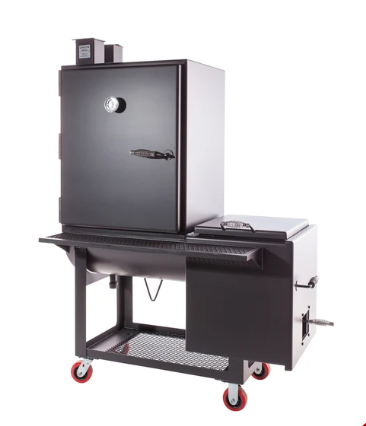
1. Why Offset Smokers Remain a Favorite for BBQ Lovers
There is something special about cooking with an offset smoker. The fire burns in a separate chamber, and the heat and smoke travel into the main cooking chamber, slowly cooking the meat while adding that familiar wood-fired flavor.
For many barbecue enthusiasts, this traditional method is hard to replace. You get more control over the fire, can experiment with different wood types, and adjust airflow to influence how the smoker cooks. It takes practice, of course. You will not always get everything right on your first attempt.
That is part of the experience.
When exploring offset smokers for sale, pay attention to the overall construction, cooking chamber size, firebox design, and airflow. These features affect how easily you can maintain a steady temperature. A well-built smoker makes the process more manageable, even when you are cooking for several hours.
2. What to Look for When Shopping for Offset Smokers for Sale
Buying a smoker is not just about choosing the biggest model or the one with the most impressive appearance. You need something that fits your actual needs.
Start with the cooking capacity. If you usually prepare food for your family, a smaller or medium-sized smoker might be enough. If you regularly host backyard gatherings, cook for large groups, or compete in barbecue events, additional cooking space could be useful.
Next, consider the steel construction. A sturdy smoker can handle regular use and outdoor cooking conditions better when it is properly maintained. Door fit and sealing also deserve attention because unwanted air leaks can make temperature control more difficult.
Look at the wheels, handles, shelves, and firebox access too. These details may seem minor when you are comparing product photos, but they matter when you are using the smoker every weekend.
Most importantly, think beyond the purchase price. A smoker should suit the way you cook, not just your budget on the day you buy it.
3. How Insulated BBQ Smokers Make Temperature Control Easier
Traditional offset smokers are known for their wood-fired flavor, but maintaining a consistent temperature can take attention, especially during colder weather or long cooking sessions.
This is where insulated BBQ smokers enter the conversation.
Insulated smokers are designed with layers of material that help reduce heat loss. Depending on their construction, they can maintain cooking temperatures more consistently and reduce how frequently you need to add fuel. That can be helpful when you are cooking overnight or preparing a large piece of meat that needs hours in the smoker.
The practical benefit is less temperature fluctuation when conditions change. You still need to manage the fire and airflow according to the smoker’s design, but insulation can make the process easier.
Insulated cabinet smokers are particularly appealing to people who want a compact cooking footprint with multiple racks. They allow you to prepare different cuts of meat in one unit, which is handy when a single brisket is not enough for the crowd.
However, insulation does not automatically make every smoker better. Your preferred cooking style, available space, fuel type, and maintenance requirements should guide the decision.
4. Offset Smokers vs. Insulated BBQ Smokers: Which Is Better?
Honestly, neither option is the perfect choice for everybody.
Offset smokers are a strong fit for people who enjoy tending a wood fire and want direct involvement in the cooking process. They offer a traditional barbecue experience and can produce excellent results when the fire is managed properly.
Insulated BBQ smokers focus more on retaining heat and supporting consistent cooking conditions. They may be a better match for someone who wants to manage temperature fluctuations without constantly making adjustments.
Think about your normal routine. Do you enjoy spending a Saturday watching the fire, adjusting dampers, and checking the brisket? A traditional offset could be right for you.
Would you rather have a design that helps retain heat during longer cooks? An insulated model may deserve a closer look.
There is also no reason to choose based on trends alone. A properly designed smoker that suits your habits will usually be more satisfying than an expensive model with features you rarely use.
5. Why Build Quality Matters More Than Fancy Features
A smoker can have polished handles, attractive paint, and plenty of extra features. But if the basic construction is poor, those extras will not save the cooking experience.
When comparing offset smokers for sale, examine the firebox, cooking chamber, door seals, hinges, and welds. These areas affect durability and everyday performance. Solid construction can help the smoker withstand repeated heating and cooling, although all steel equipment requires care to prevent rust and wear.
Pay attention to the design of the exhaust and air intakes. Good airflow helps the fire burn properly and allows smoke to move through the cooking chamber as intended.
For insulated BBQ smokers, check how the insulation is incorporated into the unit and whether the doors and other components are designed to retain heat effectively.
Ask questions before purchasing. Find out what maintenance is required, what fuel the smoker uses, and whether replacement parts or support are available. A little research now can save you a lot of frustration later.
6. Choose a Smoker That Fits Your Cooking Style
Before making a final decision, be honest about how you plan to use the equipment.
If brisket, pork shoulder, ribs, and other slow-cooked meats are regular features at your gatherings, a smoker with suitable capacity and dependable temperature management makes sense. You should also consider whether you prefer cooking with wood alone or using another fuel arrangement supported by the smoker.
Think about where the unit will sit. A large offset smoker needs room for the cooking chamber, firebox, and safe access around the equipment. You also need a suitable outdoor cooking area with proper ventilation and clearance from combustible materials.
If space is limited, a vertical insulated smoker may provide useful cooking capacity without taking up as much ground space as some larger horizontal designs.
Mobility matters too. Heavy-duty wheels can make moving a smoker easier, but a large unit may still require careful planning. Measure your available space before ordering. It sounds obvious, but people sometimes forget this part.
7. Getting Better Results From Your New Smoker
Even a well-built smoker needs the right approach. Learning a few basic habits will help you get more consistent results over time.
First, allow the smoker to reach a stable cooking temperature before adding your meat. Avoid making large adjustments every few minutes. Fire management usually works better when you make measured changes and give the smoker time to respond.
Use a reliable thermometer to monitor the cooking chamber and check the internal temperature of the meat. The temperature shown on a lid-mounted gauge may not represent conditions across the entire cooking area.
Choose suitable wood and avoid using wood that has been treated or painted. Keep the fire clean, follow the manufacturer’s operating instructions, and maintain adequate airflow.
Finally, keep notes. Write down the wood you used, approximate cooking temperatures, weather conditions, and how the food turned out. Your first few cooks may involve some trial and error. That is normal. Each cook teaches you something, and those small lessons add up.
8. Why Lone Star Grillz Is Worth Exploring
Finding the right smoker becomes easier when you start with a clear idea of your priorities. You might need a traditional offset smoker for weekend brisket sessions, or you may be looking for insulated BBQ smokers that help retain heat during long cooking sessions.
Lone Star Grillz offers barbecue equipment for people who value serious outdoor cooking. If you are comparing smoker designs, construction, cooking capacity, and practical features, exploring its available products is a useful next step.
Take time to review the available models and decide which design fits your cooking habits. Consider the space you have, the amount of food you normally prepare, and the level of involvement you want during a cook.
The right smoker should not just look good sitting in your backyard. It should work for your needs and give you the confidence to keep improving your barbecue.
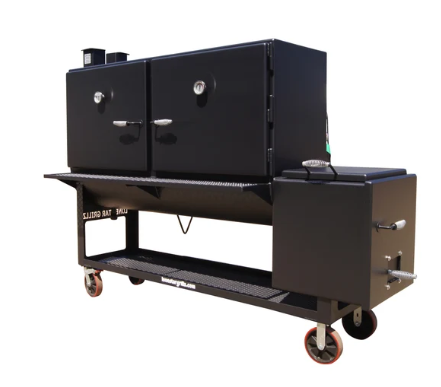
Find Your Next Smoker With Lone Star Grillz
Great barbecue begins with the right equipment, but the best choice is the one that suits your cooking style and keeps you coming back for another cook. Whether you are comparing offset smokers for sale or looking into insulated BBQ smokers for better heat retention, take the time to choose a design that meets your needs.
Frequently Asked Questions
1. What should I consider when buying offset smokers for sale?
Look at steel construction, cooking capacity, firebox design, airflow, door sealing, and overall durability. Choose a smoker that fits your available space and the amount of food you usually cook.
2. Are insulated BBQ smokers better than traditional offset smokers?
Not necessarily. Insulated smokers are designed to retain heat and can help maintain more consistent temperatures. Traditional offset smokers appeal to cooks who enjoy managing a wood fire and prefer the classic offset cooking method. The better option depends on your priorities.
3. Do insulated BBQ smokers use less fuel?
They can use less fuel because insulation reduces heat loss. Actual fuel consumption depends on the smoker’s design, outside temperature, cooking temperature, fuel type, and how often the cooking chamber is opened.
4. How do I maintain my smoker for long-term use?
Clean out ash after cooking and once the smoker has cooled sufficiently. Remove grease buildup, inspect seals and hinges, protect exposed steel from moisture, and follow the manufacturer’s maintenance instructions. Regular care helps reduce rust and keeps the smoker ready for your next barbecue.