



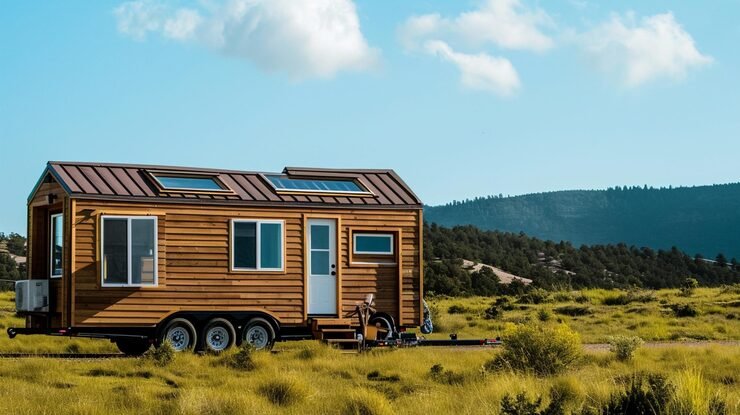
Tiny homes look simple from the outside. Clean lines. Minimal clutter. A kind of freedom people crave. But once you step past the dream and into reality, things get… complicated. Not impossible, just layered. Laws, zoning, parking rules, utility hookups — they all show up, whether you like it or not.
A lot of folks searching for tiny home for sale listings think it’s like buying a regular house, just smaller. It’s not. Not even close. The rules shift depending on where you are, and sometimes they don’t even make sense at first glance. That’s where most people get stuck. They fall in love with the idea before understanding the framework around it.
Still, tiny living works. You just need to know the ground rules before stepping in.
Zoning Laws Can Make or Break Your Plans
Let’s be blunt. Zoning is the first wall you’ll hit.
Cities and counties decide what kind of structures can go where. Some areas treat tiny homes like accessory dwelling units. Others don’t recognize them at all. And that’s where things get messy. You might find a perfect tiny house, affordable, stylish, ready to move in — but no legal place to park it.
In some regions, tiny house regulations require minimum square footage. That alone disqualifies most tiny homes. Other places allow them only on wheels, classifying them more like RVs than permanent residences. That changes everything, from financing to where you can live full-time.
You start realizing pretty quickly that buying the home is the easy part. Finding a legal spot for it? That’s the real game.
Building Codes Aren’t Always Tiny-Friendly
Here’s another layer people don’t expect. Building codes.
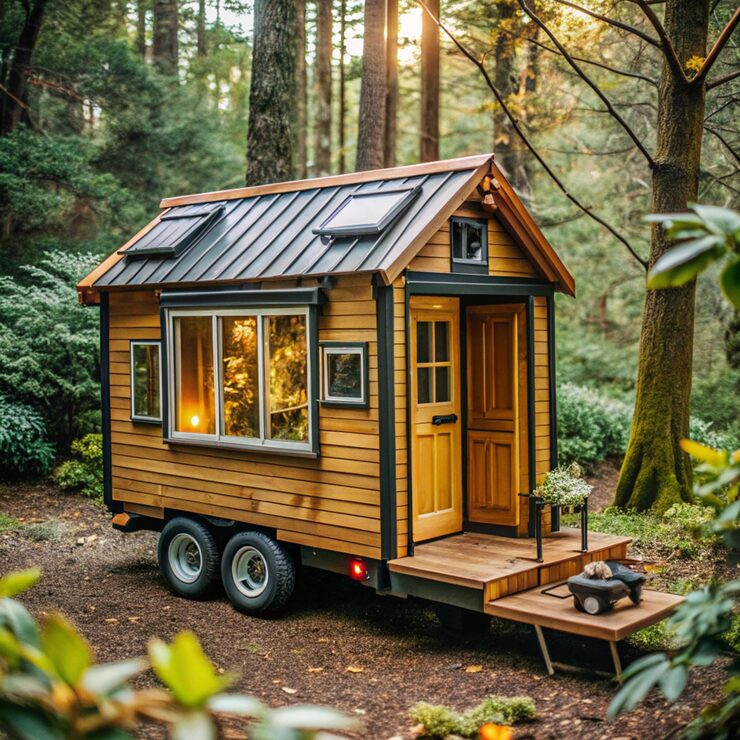
Traditional homes follow strict standards — ceiling height, stair dimensions, emergency exits. Tiny homes often bend or creatively work around these. Loft spaces, for example, are common. But not every jurisdiction accepts them as legal sleeping areas.
Some builders follow RV standards instead of residential codes. That helps with mobility, but it also limits where you can legally stay long-term. It’s a weird tradeoff. More flexibility in design, less clarity in legality.
If you’re browsing tiny home for sale options, always ask: which code was followed? It sounds technical, yeah, but it matters more than the color of the cabinets or the layout of the kitchen.
Land Ownership Changes Everything
Owning land simplifies things. Not completely, but enough.
When you have your own property, you get more control. You can sometimes classify your tiny home as a secondary structure. Or place it as a temporary dwelling. Depends on local rules, of course. It always depends.
But here’s the catch — utilities. Water, sewage, electricity. Hooking those up isn’t always straightforward. Rural land might need septic systems or wells. That adds cost. And paperwork. Always paperwork.
Some people skip land ownership and go for tiny home communities. That’s a growing trend. Less hassle, more shared infrastructure. But it comes with its own rules. HOA-style living, just smaller.
Financing Isn’t Like a Normal Home Purchase
Banks don’t love tiny homes. There, it’s said.
Traditional mortgages usually don’t apply. Especially if the home is on wheels. Lenders see them as depreciating assets, like vehicles. That shifts the financial model entirely.
Buyers often rely on personal loans, RV loans, or cash. It’s a different mindset. Less about long-term investment, more about lifestyle choice.
This is where expectations need adjusting. A tiny home for sale might look like a cheap alternative to a house, but the financing side can feel… less friendly. Not impossible, just different.
Legal Loopholes and Grey Areas Exist
People find ways around restrictions. It happens.
Some register their tiny homes as RVs to bypass building codes. Others park on private land under the radar. Short-term rentals sometimes blur the lines even more.
But here’s the thing — just because something works now doesn’t mean it will later. Regulations change. Enforcement tightens. What feels like a smart workaround today could become a problem tomorrow.
It’s tempting to cut corners. Especially when you’re excited. But long-term, staying within legal boundaries saves a lot of stress. Probably more than people realize upfront.
Community Acceptance Is Still Catching Up
Not everyone loves tiny homes. That’s just reality.
Neighbors sometimes push back. Local governments worry about property values. There’s a perception issue, even if it’s outdated. Some see tiny homes as temporary or unconventional. Not “real housing.”
That mindset is slowly shifting, though. More cities are experimenting with tiny home villages, especially for affordable housing solutions. It’s gaining traction, just not evenly everywhere.
So when you’re exploring tiny house regulations, remember — you’re not just dealing with laws. You’re dealing with attitudes too. And those take time to change.
Why Research Beats Impulse Every Time
This is where most people slip up. They rush.
They find a beautiful tiny home for sale, imagine their new life, and jump in. Only later do they realize they can’t legally live in it where they planned. That’s a tough situation to fix.
Research sounds boring, yeah. But it’s the difference between smooth sailing and constant headaches. Talk to local officials. Read zoning documents. Ask questions that feel annoying.
Because once you buy, you’re committed. And fixing mistakes afterward? Way harder than preventing them.
The Reality Behind the Minimalist Dream
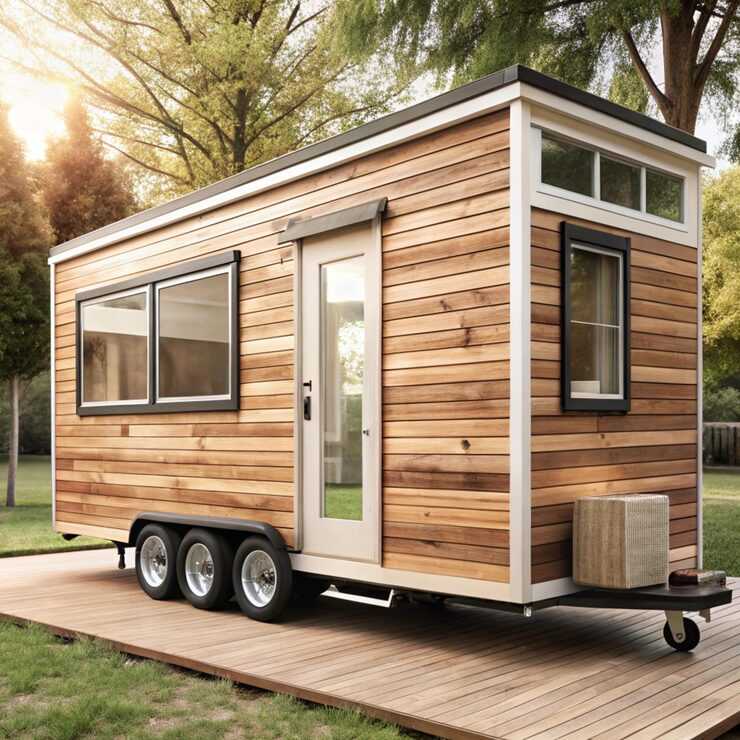
Tiny living isn’t just about space. It’s about tradeoffs.
Less room means less stuff, sure. But it also means navigating rules that weren’t built for this lifestyle. You gain freedom in some ways, lose flexibility in others.
Still, people do it. And love it.
They accept the constraints, figure out the system, and make it work. That’s the key. Not avoiding regulations, but understanding them well enough to move within them.
It’s not as simple as it looks online. But it’s not out of reach either.
Conclusion
Tiny homes offer something different. A shift away from excess, toward intentional living. But behind that simplicity sits a framework of rules that can’t be ignored. From zoning laws to financing challenges, every step requires awareness.
If you’re serious about entering this space, slow down. Learn the regulations where you plan to live. Understand how your home will be classified. And don’t rely on assumptions — they’re usually wrong.
The tiny lifestyle works best when it’s built on solid knowledge, not just inspiration. Get that part right, and everything else starts to fall into place.