



Everybody’s seen the videos. A guy pulls a raccoon out of a chimney, crowd cheers, end of story. Real life isn’t like that. Wildlife removal technician jobs are hot, dirty, physical, and weirdly rewarding, and most people have no idea what the work involves until they’re sweating through a respirator in a July attic. I’ve talked to enough techs to give you the honest version. We’ll cover what the days look like, the skills you need, what the pay’s like, and why a city like Houston, where rat removal Houston is a constant search, keeps these crews busy all year.
What a Typical Day Actually Looks Like
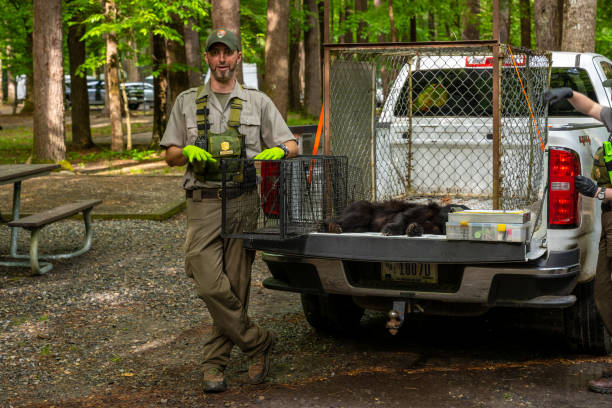
No two days match, which is part of the appeal. You usually start at the shop, load the truck with ladders, traps, exclusion materials, hardware cloth, and a lot of protective gear. Then you drive to your first call, which might be a squirrel family in an attic or a rat problem in a restaurant.
Most of the day is inspection and repair, not catching animals. You climb on roofs, crawl through attics with a headlamp, find entry points, and take photos. Then you seal things up, install one-way doors, set traps, and talk to the homeowner about what you found.
Evenings can get busy too, especially in spring when baby season kicks in. Some techs also take emergency calls. A raccoon in the living room doesn’t care that it’s Sunday.
The Dirty Truth About the Work Conditions
Let’s not sugarcoat it. Attics in Texas in summer get to 130 degrees, sometimes more. You sweat through your clothes in ten minutes. Insulation dust gets in everything, and the smell of old droppings and urine sticks to your nose for hours after you leave.
Then there are the tight spaces. Crawl spaces, eaves, behind knee walls, anywhere an animal might nest. If you hate being cramped, this isn’t for you. Heights matter too, because roof work is constant and ladders get old fast.
Animals bite and scratch sometimes. Rats carry disease, raccoon droppings carry roundworm eggs, and bats have their own risks. That’s why respirators, gloves, and sanitizing procedures aren’t optional. People who last in this field take safety seriously, every single time.
Skills and Training You Need to Get Started
Good news, you don’t need a fancy degree. Most companies hire people willing to learn and train them on the job. What they care about is attitude. Can you handle heat, heights, and gross stuff without complaining? Do you show up on time? Can you talk to a stressed homeowner without sounding like a robot?
Some skills help a lot. Basic carpentry and roofing, since you’ll be patching soffits and replacing rotted wood. Understanding animal behavior, because knowing how a raccoon thinks tells you where she’ll try to get back in. Comfort with tools. A clean driving record too, since you’re in a truck all day.
Many states require a nuisance wildlife control license or certification. Rules vary a lot, so check your state’s wildlife agency. Texas has its own requirements, and a good employer will walk you through them.
Pay, Hours, and Career Growth

Pay depends on location, experience, and whether the company pays hourly or on commission. Entry-level techs often start at a modest hourly wage, then climb as they pick up skills and licenses. Experienced techs, especially lead techs or crew supervisors, can earn quite a bit more. Some owners clear a real income once they build a customer base.
Hours can be long in busy season. Spring and early summer are slammed with nesting animals, and winter slows down some. Weekend and on-call work shows up a lot, so ask about it before you take a job.
Growth paths exist. You can move into inspection and estimating, training new hires, managing a crew, or eventually starting your own company. Some people specialize, like bat exclusions, snake work, or commercial rodent jobs. It’s a trade, basically, and trades reward people who stick around and get good.
Why Rodent Work Keeps Techs Busy in Houston
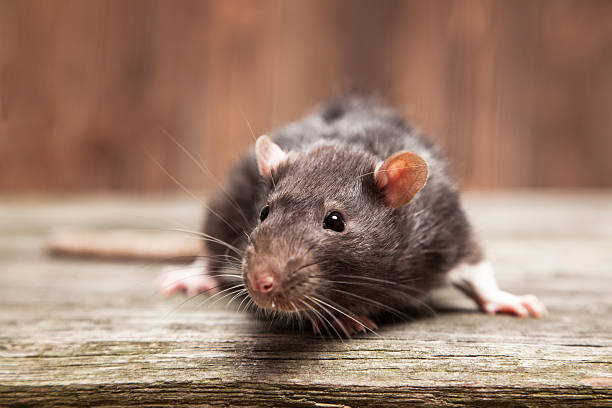
Houston is a rodent paradise, honestly. Warm weather most of the year, lots of older homes, heavy rain that pushes animals indoors, and plenty of food around. Roof rats are especially common here. They climb trees, run along power lines, and get into attics through gaps as small as a quarter.
That’s why searches like rat removal houston stay constant. Homeowners hear scratching in the walls at night, find droppings in the pantry, or spot chewed wiring, and they panic. A tech handling those calls does a full inspection, finds every entry point, uses traps and exclusion, then seals and cleans up.
Rats multiply fast. A pair can turn into dozens in a few months, so speed matters. Wait too long and you’ve got contaminated insulation, chewed wires, and a fire risk nobody wants to think about.
What Techs Learn About Rat Control and Exclusion
Here’s what separates a good rodent tech from a bad one. They don’t just set traps and leave. They figure out how the rats are getting in. Gaps around utility lines, damaged vents, rooflines, foundation cracks, anywhere a pipe pokes through a wall. Then they seal it with steel wool, copper mesh, heavy gauge hardware cloth, and caulk. Rats chew through soft stuff, so the materials matter.
They also teach homeowners. Trim branches back eight to ten feet from the roof, store food in sealed containers, keep trash lids tight, and don’t leave pet food out overnight. Boring advice, but it works.
Poison is something many pros avoid indoors, because a poisoned rat can die inside a wall and stink for weeks. Good techs lean on trapping, exclusion, and sanitation. Learning that stuff on the job is a big part of why experience pays off.
Is This Career Right for You?
Ask yourself a few honest questions. Can you handle heat and bad smells? Are you okay with ladders and tight spaces? Do you like solving problems, and can you be kind to scared people and, honestly, scared animals too? If yes, this might fit.
It’s not a desk job. Your body will notice it at the end of the day. But there’s real pride in it. You fix a problem, protect a family’s home, and treat animals decently while you do it. Plenty of techs say they never get bored, because every house is a puzzle.
If you’re curious, call local companies and ask whether they’re hiring. Ride along if they’ll let you. That one afternoon in an attic tells you more than any job listing.
Conclusion
So that’s the real picture. Wildlife removal technician jobs are physically demanding and sometimes gross, but they offer steady work, decent growth, and the satisfaction of fixing something that really bugs people. Whether you’re clearing out roof rats in a humid Texas summer or handling a raccoon family in the spring, the best techs are patient, careful, and willing to keep learning. Rat removal houston calls alone can keep a crew busy most of the year.
If you need help with wildlife in your home, or you’re curious about what a career in this field looks like, Elite Wildlife Services can inspect your property, handle humane removal, repair entry points, and get your home protected. Don’t wait for the damage to pile up. Animals never get less destructive with time.
FAQs
Do I need a degree for wildlife removal technician jobs?
No. Most employers train on the job. Some states require a nuisance wildlife license, so check your local rules.
How much do wildlife removal technicians make?
It varies by location and experience. Entry-level pay is modest, and experienced techs or crew leads can earn considerably more.
Is wildlife removal dangerous?
It can be. Bites, scratches, heights, and disease risks are real, which is why protective gear and safety habits matter so much.
Why is rat removal houston in such high demand?
The warm climate, older homes, and heavy rain make roof rats and other rodents a year-round problem in the area.
Can I do rat removal myself?
Small cases, maybe. But rats multiply fast and usually have several entry points, so a pro is often the better call.
How do I get started in this field?
Call local wildlife companies and ask about openings. Many hire people with no experience and train them on the job.