Picking a dentist is a strange kind of decision. Somebody’s going to be inside your mouth, and probably your kids’ mouths too, and most of us choose based on who showed up first on a phone screen. I think that’s backwards. If you’re shopping around for cosmetic and family dentistry, you might end up with the same office for fifteen years. So a little homework now is worth it. Here’s what I’d actually ask if it were my own family walking in.
Who Is Going to Be Looking After Us?
Ask who the dentist is and how long they’ve been doing this. Then ask the thing people forget: will it be the same person next time? Some places shuffle patients between doctors so much you feel like a ticket number. Kids hate that. Ask whether they see little ones and older folks both. A dental clinic in Burbank that treats a six-year-old’s first cleaning in the morning and an eighty-year-old’s denture adjustment after lunch is probably used to all kinds of people, which is what you want.
What Can They Do Without Sending You Elsewhere?
Find out what gets done in the office. Fillings, crowns, whitening, bonding, extractions, root canals, whatever. When it’s all handled in one place you’re not bouncing between three offices and three bills, and your records stay in one pile. A referral to a specialist for something tricky isn’t a bad sign, by the way. That’s just honest. But you’d rather know up front which dental services are in-house and which aren’t, before you’ve already committed.
How Do They Approach Cosmetic Work?
Not everyone wants a whole new smile. Most folks I talk to want one chipped tooth fixed, or a shade lighter, or that small gap closed. So ask what they’d recommend and why. Do they show you real before-and-after photos? Do they explain the cheaper option, or jump straight to the biggest one? If someone starts promising you “Hollywood teeth” in the first five minutes, I’d slow down. Good work looks like you on a good day. Not like somebody else.
Finding an Affordable Dentist in Burbank Without Getting Burned
Everyone wants an affordable dentist in Burbank, and honestly, dental bills can be scary. But cheap and affordable are different animals. A bargain filling that fails in two years costs you twice. What you’re really after is clear pricing and no surprises at the desk. Ask for the treatment plan in writing with numbers on it. Ask about payment plans. A good office won’t make you feel small for asking about money, they’d rather you ask now than panic later.
Insurance, and the Stuff It Doesn’t Cover
Call and ask if they’re in-network with your plan. Then ask what your plan usually covers, because cosmetic work often isn’t covered at all, and that catches people off guard every time. No insurance? Ask what self-pay looks like, since some offices run their own membership plans or discounts. Whatever the answer is, get it before the appointment. Hearing the total at the front desk, with your card already in your hand, is a rotten way to find out.
What If Something Goes Wrong on a Saturday?
Kids crack teeth. Crowns come off the night before a trip. So ask what happens in an emergency. Do they hold same-day spots open? Is there an after-hours number, or just a voicemail? How quickly do they usually see a new patient who’s in pain? You hope you never need it, but when you do, you really do. An office that takes emergencies seriously usually takes the everyday stuff seriously too.
Are They Good With Nervous People?
Plenty of adults are scared of the dentist and just don’t say it. Ask how the team handles that. Do they explain things before they do them? Will they stop if you lift a hand? Is sedation an option? Pay attention to how they answer, not only what they say. If it sounds patient and warm, good. If it sounds rushed, listen to that feeling. Comfort is the reason people keep coming back for regular dental care, so it’s not a small thing.
What Does the First Visit Look Like?
Ask it straight. A decent first visit is usually a conversation about your history and worries, an exam, X-rays only if they’re needed, and often a cleaning. You should walk out knowing what’s going on in your mouth, what’s urgent, and what can wait. Nobody should hand you a giant plan in hour one. Bring your insurance card, any old records, and a list of medications. And your questions, obviously, that’s the whole point of this.
Go With Your Gut, Then Make the Call
In the end, cosmetic and family dentistry comes down to trust. Skills count, price counts, location counts. But so does how you feel in that chair, and whether the people there treat your family like humans instead of appointment slots. If they listen and answer plainly, that’s most of it. Don’t wait until a tooth hurts to start looking. Pick a couple of offices, ask these questions, and book a visit. You’ll know pretty fast if it’s the right fit.
Everybody has a version of their week that looks great on paper. Then Tuesday happens. Soccer, a late meeting, a kid who suddenly needs poster board at 8 p.m. If you’re looking into house cleaning services in Jupiter, the first thing I’d say is to plan around the week you actually live, not the calm one in your head. A schedule only works if it fits the chaos you already have. So before you call anyone, take a few minutes and think about where your time really goes.
Count Who Lives in the House
Headcount matters more than square footage, honestly. Two adults who are barely home make a very different mess than two adults, three kids and a golden retriever. More people means more laundry, more dishes, more crumbs under the table, more fingerprints on every glass door. A family of five can undo a clean house by Wednesday. A couple with a quiet routine might stay fresh for two weeks without trying. Be honest about who’s actually home and how hard they live in the place.
Weekly Cleaning: Who It’s Really For
Weekly is the heavy hitter. It suits big families, homes with pets that shed, and anyone who can’t stand seeing the bathrooms slip even a little. The upside is that visits stay light, since nothing builds up for long. The house just stays good. The downside is cost, because you’re paying for more visits. But if you’ve got kids, a dog, and two jobs, weekly can feel less like a luxury and more like keeping your head above water. Plenty of Jupiter families land here and stay.
Every Two Weeks Is the Sweet Spot for Many
Biweekly is what most people end up choosing, and I get why. It’s a nice balance. The house gets a full reset twice a month, and in between you handle the small stuff, dishes, quick wipes, picking up. Costs stay reasonable. Your home never gets truly out of hand. If you’re not sure, start here. You can always move up to weekly or back down to monthly after a few visits once you see how things hold up. Nobody’s locked in, or at least they shouldn’t be.
Monthly Visits and Who They Work For
Monthly works for tidy households, retirees, or people who just want the deep stuff handled while they keep up with daily upkeep. Baseboards, showers, kitchen detail, floors. A month is a long time though, especially in humidity, so the first few days after a visit feel great and the last week can feel a bit rough. That’s normal. If you go monthly, expect to do some light cleaning in between. Otherwise you’ll find yourself wondering why you’re paying for something that feels like a big catch-up every time.
What Jupiter Homes Add to the Equation
Living here comes with extras. Humidity, sand, pollen, salt air near the water, pool traffic, big sliding doors and a lot of tile. Any good cleaning company in Florida will tell you that mildew and dust show up faster in this climate than most people expect. Homes with pools need extra attention at entryways and glass. Homes close to the coast see salt film on windows. So if you’re on the fence between two schedules, lean toward the more frequent one. Florida homes tend to get dirty quicker than the same house would up north.
Matching the Schedule to Your Family’s Rhythm
Think about when your house is busiest and when it’s quiet. If weekends are packed with games and guests, a Friday visit means you start Saturday in a clean home. If you work long days and want to come home to a fresh place, midweek might be better. Some families like the cleaning to happen while everyone’s at school and work. Others like it right before a big weekend. Tell your cleaners what works. Flexible home cleaning services will adjust, and the right day makes a bigger difference than people think.
When Life Changes, Change the Plan
Schedules shouldn’t be forever. New baby, a new puppy, a parent moving in, summer break, a work-from-home switch. All of these shift how much mess your house makes. Same goes for snowbird travel or a long vacation. Don’t be afraid to ask for more visits during the busy months and fewer when things calm down. A decent team will say yes without making it weird. If someone treats a simple change like a huge inconvenience, that tells you something about how they’ll treat you later.
Pick One, Try It, Adjust
Here’s the honest advice. You won’t get it perfect on the first try, and that’s fine. Pick the schedule that feels closest, run it for a month or two, and pay attention. Is the house staying decent? Are you less stressed? Are you still spending your weekends scrubbing? If yes, bump it up. If you’re barely noticing the difference, scale back. The right rhythm is the one you stop thinking about. Good house cleaning services in Jupiter will help you find it, and they’ll be upfront when you’re overpaying or under-booking.
Everybody’s seen the videos. A guy pulls a raccoon out of a chimney, crowd cheers, end of story. Real life isn’t like that. Wildlife removal technician jobs are hot, dirty, physical, and weirdly rewarding, and most people have no idea what the work involves until they’re sweating through a respirator in a July attic. I’ve talked to enough techs to give you the honest version. We’ll cover what the days look like, the skills you need, what the pay’s like, and why a city like Houston, where rat removal Houston is a constant search, keeps these crews busy all year.
What a Typical Day Actually Looks Like
No two days match, which is part of the appeal. You usually start at the shop, load the truck with ladders, traps, exclusion materials, hardware cloth, and a lot of protective gear. Then you drive to your first call, which might be a squirrel family in an attic or a rat problem in a restaurant.
Most of the day is inspection and repair, not catching animals. You climb on roofs, crawl through attics with a headlamp, find entry points, and take photos. Then you seal things up, install one-way doors, set traps, and talk to the homeowner about what you found.
Evenings can get busy too, especially in spring when baby season kicks in. Some techs also take emergency calls. A raccoon in the living room doesn’t care that it’s Sunday.
The Dirty Truth About the Work Conditions
Let’s not sugarcoat it. Attics in Texas in summer get to 130 degrees, sometimes more. You sweat through your clothes in ten minutes. Insulation dust gets in everything, and the smell of old droppings and urine sticks to your nose for hours after you leave.
Then there are the tight spaces. Crawl spaces, eaves, behind knee walls, anywhere an animal might nest. If you hate being cramped, this isn’t for you. Heights matter too, because roof work is constant and ladders get old fast.
Animals bite and scratch sometimes. Rats carry disease, raccoon droppings carry roundworm eggs, and bats have their own risks. That’s why respirators, gloves, and sanitizing procedures aren’t optional. People who last in this field take safety seriously, every single time.
Skills and Training You Need to Get Started
Good news, you don’t need a fancy degree. Most companies hire people willing to learn and train them on the job. What they care about is attitude. Can you handle heat, heights, and gross stuff without complaining? Do you show up on time? Can you talk to a stressed homeowner without sounding like a robot?
Some skills help a lot. Basic carpentry and roofing, since you’ll be patching soffits and replacing rotted wood. Understanding animal behavior, because knowing how a raccoon thinks tells you where she’ll try to get back in. Comfort with tools. A clean driving record too, since you’re in a truck all day.
Many states require a nuisance wildlife control license or certification. Rules vary a lot, so check your state’s wildlife agency. Texas has its own requirements, and a good employer will walk you through them.
Pay, Hours, and Career Growth
Pay depends on location, experience, and whether the company pays hourly or on commission. Entry-level techs often start at a modest hourly wage, then climb as they pick up skills and licenses. Experienced techs, especially lead techs or crew supervisors, can earn quite a bit more. Some owners clear a real income once they build a customer base.
Hours can be long in busy season. Spring and early summer are slammed with nesting animals, and winter slows down some. Weekend and on-call work shows up a lot, so ask about it before you take a job.
Growth paths exist. You can move into inspection and estimating, training new hires, managing a crew, or eventually starting your own company. Some people specialize, like bat exclusions, snake work, or commercial rodent jobs. It’s a trade, basically, and trades reward people who stick around and get good.
Why Rodent Work Keeps Techs Busy in Houston
Houston is a rodent paradise, honestly. Warm weather most of the year, lots of older homes, heavy rain that pushes animals indoors, and plenty of food around. Roof rats are especially common here. They climb trees, run along power lines, and get into attics through gaps as small as a quarter.
That’s why searches like rat removal houston stay constant. Homeowners hear scratching in the walls at night, find droppings in the pantry, or spot chewed wiring, and they panic. A tech handling those calls does a full inspection, finds every entry point, uses traps and exclusion, then seals and cleans up.
Rats multiply fast. A pair can turn into dozens in a few months, so speed matters. Wait too long and you’ve got contaminated insulation, chewed wires, and a fire risk nobody wants to think about.
What Techs Learn About Rat Control and Exclusion
Here’s what separates a good rodent tech from a bad one. They don’t just set traps and leave. They figure out how the rats are getting in. Gaps around utility lines, damaged vents, rooflines, foundation cracks, anywhere a pipe pokes through a wall. Then they seal it with steel wool, copper mesh, heavy gauge hardware cloth, and caulk. Rats chew through soft stuff, so the materials matter.
They also teach homeowners. Trim branches back eight to ten feet from the roof, store food in sealed containers, keep trash lids tight, and don’t leave pet food out overnight. Boring advice, but it works.
Poison is something many pros avoid indoors, because a poisoned rat can die inside a wall and stink for weeks. Good techs lean on trapping, exclusion, and sanitation. Learning that stuff on the job is a big part of why experience pays off.
Is This Career Right for You?
Ask yourself a few honest questions. Can you handle heat and bad smells? Are you okay with ladders and tight spaces? Do you like solving problems, and can you be kind to scared people and, honestly, scared animals too? If yes, this might fit.
It’s not a desk job. Your body will notice it at the end of the day. But there’s real pride in it. You fix a problem, protect a family’s home, and treat animals decently while you do it. Plenty of techs say they never get bored, because every house is a puzzle.
If you’re curious, call local companies and ask whether they’re hiring. Ride along if they’ll let you. That one afternoon in an attic tells you more than any job listing.
Conclusion
So that’s the real picture. Wildlife removal technician jobs are physically demanding and sometimes gross, but they offer steady work, decent growth, and the satisfaction of fixing something that really bugs people. Whether you’re clearing out roof rats in a humid Texas summer or handling a raccoon family in the spring, the best techs are patient, careful, and willing to keep learning. Rat removal houston calls alone can keep a crew busy most of the year.
If you need help with wildlife in your home, or you’re curious about what a career in this field looks like, Elite Wildlife Services can inspect your property, handle humane removal, repair entry points, and get your home protected. Don’t wait for the damage to pile up. Animals never get less destructive with time.
FAQs
Do I need a degree for wildlife removal technician jobs? No. Most employers train on the job. Some states require a nuisance wildlife license, so check your local rules.
How much do wildlife removal technicians make? It varies by location and experience. Entry-level pay is modest, and experienced techs or crew leads can earn considerably more.
Is wildlife removal dangerous? It can be. Bites, scratches, heights, and disease risks are real, which is why protective gear and safety habits matter so much.
Why is rat removal houston in such high demand? The warm climate, older homes, and heavy rain make roof rats and other rodents a year-round problem in the area.
Can I do rat removal myself? Small cases, maybe. But rats multiply fast and usually have several entry points, so a pro is often the better call.
How do I get started in this field? Call local wildlife companies and ask about openings. Many hire people with no experience and train them on the job.
Good barbecue takes time. There is no real shortcut to getting tender brisket, smoky ribs, or pulled pork that practically falls apart when you touch it. Sure, the meat matters, and seasoning has its place, but the smoker you use can make a big difference too. If you have been searching for offset smokers for sale, you have probably noticed there are plenty of choices. Some smokers look great but may not suit your cooking style. Others are built for people who take barbecue seriously and want equipment they can depend on for years.
So, how do you choose the right one? It starts with understanding what you cook, how often you cook, and what features actually matter. Insulated BBQ smokers are worth considering as well, especially if temperature control and fuel efficiency are high on your list. Let us look at what makes these smokers different and what you should consider before buying one.
1. Why Offset Smokers Remain a Favorite for BBQ Lovers
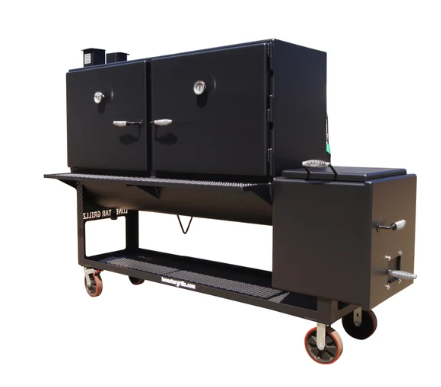
There is something special about cooking with an offset smoker. The fire burns in a separate chamber, and the heat and smoke travel into the main cooking chamber, slowly cooking the meat while adding that familiar wood-fired flavor.
For many barbecue enthusiasts, this traditional method is hard to replace. You get more control over the fire, can experiment with different wood types, and adjust airflow to influence how the smoker cooks. It takes practice, of course. You will not always get everything right on your first attempt.
That is part of the experience.
When exploring offset smokers for sale, pay attention to the overall construction, cooking chamber size, firebox design, and airflow. These features affect how easily you can maintain a steady temperature. A well-built smoker makes the process more manageable, even when you are cooking for several hours.
2. What to Look for When Shopping for Offset Smokers for Sale
Buying a smoker is not just about choosing the biggest model or the one with the most impressive appearance. You need something that fits your actual needs.
Start with the cooking capacity. If you usually prepare food for your family, a smaller or medium-sized smoker might be enough. If you regularly host backyard gatherings, cook for large groups, or compete in barbecue events, additional cooking space could be useful.
Next, consider the steel construction. A sturdy smoker can handle regular use and outdoor cooking conditions better when it is properly maintained. Door fit and sealing also deserve attention because unwanted air leaks can make temperature control more difficult.
Look at the wheels, handles, shelves, and firebox access too. These details may seem minor when you are comparing product photos, but they matter when you are using the smoker every weekend.
Most importantly, think beyond the purchase price. A smoker should suit the way you cook, not just your budget on the day you buy it.
3. How Insulated BBQ Smokers Make Temperature Control Easier
Traditional offset smokers are known for their wood-fired flavor, but maintaining a consistent temperature can take attention, especially during colder weather or long cooking sessions.
This is where insulated BBQ smokers enter the conversation.
Insulated smokers are designed with layers of material that help reduce heat loss. Depending on their construction, they can maintain cooking temperatures more consistently and reduce how frequently you need to add fuel. That can be helpful when you are cooking overnight or preparing a large piece of meat that needs hours in the smoker.
The practical benefit is less temperature fluctuation when conditions change. You still need to manage the fire and airflow according to the smoker’s design, but insulation can make the process easier.
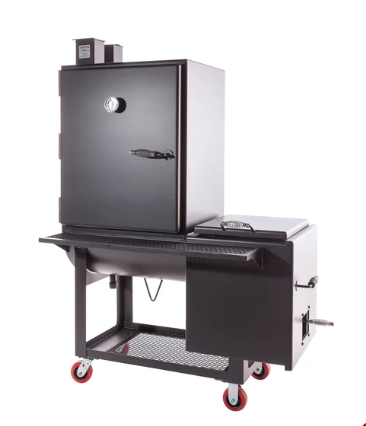
Insulated cabinet smokers are particularly appealing to people who want a compact cooking footprint with multiple racks. They allow you to prepare different cuts of meat in one unit, which is handy when a single brisket is not enough for the crowd.
However, insulation does not automatically make every smoker better. Your preferred cooking style, available space, fuel type, and maintenance requirements should guide the decision.
4. Offset Smokers vs. Insulated BBQ Smokers: Which Is Better?
Honestly, neither option is the perfect choice for everybody.
Offset smokers are a strong fit for people who enjoy tending a wood fire and want direct involvement in the cooking process. They offer a traditional barbecue experience and can produce excellent results when the fire is managed properly.
Insulated BBQ smokers focus more on retaining heat and supporting consistent cooking conditions. They may be a better match for someone who wants to manage temperature fluctuations without constantly making adjustments.
Think about your normal routine. Do you enjoy spending a Saturday watching the fire, adjusting dampers, and checking the brisket? A traditional offset could be right for you.
Would you rather have a design that helps retain heat during longer cooks? An insulated model may deserve a closer look.
There is also no reason to choose based on trends alone. A properly designed smoker that suits your habits will usually be more satisfying than an expensive model with features you rarely use.
5. Why Build Quality Matters More Than Fancy Features
A smoker can have polished handles, attractive paint, and plenty of extra features. But if the basic construction is poor, those extras will not save the cooking experience.
When comparing offset smokers for sale, examine the firebox, cooking chamber, door seals, hinges, and welds. These areas affect durability and everyday performance. Solid construction can help the smoker withstand repeated heating and cooling, although all steel equipment requires care to prevent rust and wear.
Pay attention to the design of the exhaust and air intakes. Good airflow helps the fire burn properly and allows smoke to move through the cooking chamber as intended.
For insulated BBQ smokers, check how the insulation is incorporated into the unit and whether the doors and other components are designed to retain heat effectively.
Ask questions before purchasing. Find out what maintenance is required, what fuel the smoker uses, and whether replacement parts or support are available. A little research now can save you a lot of frustration later.
6. Choose a Smoker That Fits Your Cooking Style
Before making a final decision, be honest about how you plan to use the equipment.
If brisket, pork shoulder, ribs, and other slow-cooked meats are regular features at your gatherings, a smoker with suitable capacity and dependable temperature management makes sense. You should also consider whether you prefer cooking with wood alone or using another fuel arrangement supported by the smoker.
Think about where the unit will sit. A large offset smoker needs room for the cooking chamber, firebox, and safe access around the equipment. You also need a suitable outdoor cooking area with proper ventilation and clearance from combustible materials.
If space is limited, a vertical insulated smoker may provide useful cooking capacity without taking up as much ground space as some larger horizontal designs.
Mobility matters too. Heavy-duty wheels can make moving a smoker easier, but a large unit may still require careful planning. Measure your available space before ordering. It sounds obvious, but people sometimes forget this part.
7. Getting Better Results From Your New Smoker
Even a well-built smoker needs the right approach. Learning a few basic habits will help you get more consistent results over time.
First, allow the smoker to reach a stable cooking temperature before adding your meat. Avoid making large adjustments every few minutes. Fire management usually works better when you make measured changes and give the smoker time to respond.
Use a reliable thermometer to monitor the cooking chamber and check the internal temperature of the meat. The temperature shown on a lid-mounted gauge may not represent conditions across the entire cooking area.
Choose suitable wood and avoid using wood that has been treated or painted. Keep the fire clean, follow the manufacturer’s operating instructions, and maintain adequate airflow.
Finally, keep notes. Write down the wood you used, approximate cooking temperatures, weather conditions, and how the food turned out. Your first few cooks may involve some trial and error. That is normal. Each cook teaches you something, and those small lessons add up.
8. Why Lone Star Grillz Is Worth Exploring
Finding the right smoker becomes easier when you start with a clear idea of your priorities. You might need a traditional offset smoker for weekend brisket sessions, or you may be looking for insulated BBQ smokers that help retain heat during long cooking sessions.
Lone Star Grillz offers barbecue equipment for people who value serious outdoor cooking. If you are comparing smoker designs, construction, cooking capacity, and practical features, exploring its available products is a useful next step.
Take time to review the available models and decide which design fits your cooking habits. Consider the space you have, the amount of food you normally prepare, and the level of involvement you want during a cook.
The right smoker should not just look good sitting in your backyard. It should work for your needs and give you the confidence to keep improving your barbecue.
Find Your Next Smoker With Lone Star Grillz
Great barbecue begins with the right equipment, but the best choice is the one that suits your cooking style and keeps you coming back for another cook. Whether you are comparing offset smokers for sale or looking into insulated BBQ smokers for better heat retention, take the time to choose a design that meets your needs.
Frequently Asked Questions
1. What should I consider when buying offset smokers for sale?
Look at steel construction, cooking capacity, firebox design, airflow, door sealing, and overall durability. Choose a smoker that fits your available space and the amount of food you usually cook.
2. Are insulated BBQ smokers better than traditional offset smokers?
Not necessarily. Insulated smokers are designed to retain heat and can help maintain more consistent temperatures. Traditional offset smokers appeal to cooks who enjoy managing a wood fire and prefer the classic offset cooking method. The better option depends on your priorities.
3. Do insulated BBQ smokers use less fuel?
They can use less fuel because insulation reduces heat loss. Actual fuel consumption depends on the smoker’s design, outside temperature, cooking temperature, fuel type, and how often the cooking chamber is opened.
4. How do I maintain my smoker for long-term use?
Clean out ash after cooking and once the smoker has cooled sufficiently. Remove grease buildup, inspect seals and hinges, protect exposed steel from moisture, and follow the manufacturer’s maintenance instructions. Regular care helps reduce rust and keeps the smoker ready for your next barbecue.
A Broad Ripple restaurant group paid a freelancer $4,000 to rebuild its site. Cheap. The mockups looked great. Then week nine came and the freelancer stopped answering texts. Half-built site, no password, online orders dead for a month. Nobody had asked a single question before signing.
That’s the kind of mess people are trying to avoid when they start looking for an Indianapolis web development company. A website isn’t a brochure. It takes orders, stores customer data, and brings in leads. Choosing who builds it deserves more than a quick look at a price sheet.
Know the Job Before Calling Anyone
Write down what the site has to do. Take bookings? Sell products? Sync with inventory software? If you can’t say it in two sentences, no firm can quote it honestly. And any firm that quotes without asking is guessing.
Click Through the Portfolio Yourself
Screenshots prove nothing. Ask for live links. Open them on a phone. Fill out a form. See how fast pages load. Then ask for a past client’s number and call it. Most people skip that last step, which is a shame, because it’s the most useful ten minutes of the whole search.
Find Out Who Actually Writes the Code
Some agencies sell the project locally and send the work to contractors somewhere else. That’s not automatically bad. But the person on the sales call often never touches the build, and when something breaks at 4 p.m. on a Friday, you want a name and a number.
Don’t Fall for One-Platform Teams
WordPress, Shopify, custom code, React. Each fits different needs. A shop that recommends the same platform to every client is selling what it knows, not what the client needs. Good Indiana web developers explain the tradeoffs in plain words and are fine saying “that one isn’t right for you.”
Read the Pricing Closely
Fixed bid, hourly, monthly retainer. Fixed is predictable until the scope changes, then everyone argues. Hourly is flexible but can run away. Ask what counts as an extra and how change requests get priced. Most budget fights start with something nobody wrote down.
Ask About Delays, Honestly
Projects slip, and most of the time it’s because content arrives late or approvals sit in someone’s inbox. A solid firm says so upfront. “A few weeks” is not a timeline.
Ask What Happens After Launch
Here’s where a lot of people get burned. Who handles backups, security patches, and bug fixes? Is support included for 30 days, 90, or never? A site left alone starts breaking within months, usually quietly.
Own Everything
Domain, hosting account, source code, design files. All of it should end up in the client’s name. Agencies holding a site hostage is rare, but putting ownership in the contract takes one sentence and removes the risk.
Watch How They Treat You Before Signing
The sales process is a preview. If emails take four days now, they’ll take four days later. Look for a clear point of contact and straight answers to uncomfortable questions. The best sign is a firm willing to say, “we’re probably not the right fit.”
Local Isn’t Required, But It Helps
Remote teams can do excellent work. Still, a firm in the same time zone that can sit across a table and sketch on a whiteboard solves problems faster, especially for larger builds like custom website development or portals with user logins.
Match the Service to the Need
Some projects are mostly about looks: branding, layout, a marketing site. Others are heavy on functionality. A company that mainly wants a fresh look might start with an Indianapolis web design company, while one that needs integrations, dashboards, or web application development needs strong back-end developers. Plenty of firms do both. Ask which one they’re actually best at.
Ask the Awkward Questions
What went wrong on your last project? What happens if we change our minds halfway? A good firm answers calmly with specifics. A weak one gets slippery.
Pick the team that explains things clearly, shows real work, and puts the terms in writing. It’s rarely the cheapest, and it’s usually the one still on the phone three years later.
Moving an office is nothing like moving a house. Nobody is going to forgive you if the Monday morning login fails or the boardroom table shows up with a cracked leg. If you are comparing office moving companies Toronto has to offer, you are really picking the people who will decide how smoothly your business restarts. The truck is the easy part. Everything around it is where moves go well or badly.
Why office moves go wrong more often than people expect
Most problems start long before moving day. Someone assumes the freight elevator is free all Saturday, and it turns out the building only allows a two-hour slot. Someone forgets that the new floor needs a certificate of insurance on file before any mover can enter. A few servers get unplugged in a hurry, and nobody remembers which cable went where.
Offices also carry things homes rarely do. Filing cabinets full of paper, standing desks, monitors, conference room screens, a reception desk that was assembled inside the old suite and never meant to leave it. A crew that mostly handles apartments will cope, but it will be slow and a little nervous. A crew that does commercial work every week has already seen your problem.
What a good commercial mover actually does
Planning before anything gets lifted
A decent company will want to walk through your space, or at least do a proper video call, before giving you a number. They will ask how many workstations you have, what has to be disassembled, where the elevators are, and whether anything is fragile or very heavy. If a quote arrives after one five-minute phone call, treat it with suspicion.
Good planning also means labels. Every desk, every box and every piece of equipment should be tagged with a destination, ideally a floor plan number, so the crew is not standing in the new lobby asking where things go. It sounds boring. It saves hours.
Moving day and the building rules
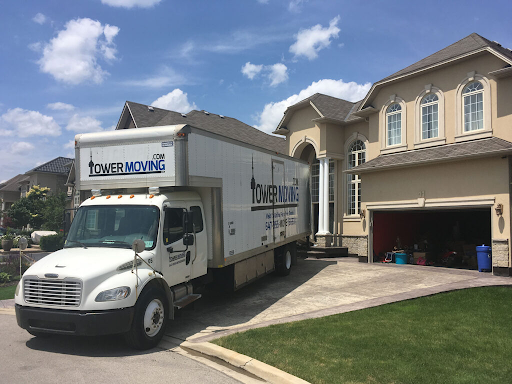
Downtown Toronto towers have their own rules. Loading docks are booked, elevators are padded, and some buildings only allow moves after business hours. Movers who know these buildings, and who have worked with the building staff before, tend to get through the day with fewer surprises. That local familiarity is hard to fake and easy to notice once the day begins.
After the heavy lifting comes the part people forget to ask about, which is setup. Reassembling workstations, placing furniture where the floor plan says, and clearing away wrapping so staff can walk in and start working. If the mover treats this as an extra, ask what it costs up front.
Questions worth asking before you sign
Ask whether the company is licensed and insured, and ask to see the paperwork. Ask who exactly will be on your crew and whether they are employees or day hires. Ask how the price is built, hourly or flat, and what could push it up. Ask what happens if something is damaged, and how long a claim takes.
Then ask for a few references from other businesses, not just homeowners. A company that has moved a law firm or a small tech team can usually point you to someone happy to talk. If they hesitate, that tells you something.
Also look at how they communicate while you are still only a prospect. Do they answer your emails properly? Do they explain things plainly? The way a company treats you during the quote is usually a decent preview of moving day.
Where Tower Moving fits in
Tower Moving is a Toronto-based company that handles both residential and commercial moves across the Greater Toronto Area. It has been described as one of the city’s top condo movers, which matters for offices too, because the skills overlap. Tight elevators, building managers, loading dock schedules and careful floor protection are part of the daily routine in condo work.
Beyond the move itself, the company offers packing, storage, specialty item moves and media installation packages. For an office, that mix can be useful. You might need a few weeks of storage if your new space is not ready, or help with wall-mounted screens in a meeting room. The company also says it has relationships with realtors, brokers and building personnel across the city, and that it works on a no hidden fees basis with clear estimates.
On recognition, Tower Moving has been named among the Top 25 Movers in Ontario by Point2 Homes and won Best of Houzz Customer Service awards in both 2016 and 2017. Awards are not a guarantee of how your own move will go, so still ask for a written quote and references. But they do suggest a company that has cared about service for a while.
Timing and budget in Toronto
Book earlier than feels necessary. Month-end and the end of a lease cycle are busy, and good crews fill up. If you can move on a weekend or a quiet weekday, you will often have an easier time with building access and sometimes with price.
On budget, the cheapest quote is rarely the cheapest move. A low hourly rate with a slow, disorganized crew can cost more than a higher rate with a fast one. Compare quotes line by line, and make sure each one covers the same things, such as disassembly, wrapping, setup and insurance.
Give your staff a clear deadline for packing their own desks, and keep the list of what the movers handle versus what employees handle short and written down. Most of the confusion on moving day comes from people assuming someone else was doing a task.
Conclusion
A good office move feels almost dull. Boxes arrive labelled, desks go where the plan says, and people sit down on Monday and get on with their work. That result comes from planning, local experience and a crew that has done this many times before. When you start comparing options, ask the hard questions, get everything in writing, and look for a Toronto moving service that explains its process clearly instead of just quoting a price. If you want to see what that looks like in practice, Tower Moving is worth a call for a free estimate.
Frequently Asked Questions
How far in advance should I book office moving companies Toronto businesses rely on?
Aim for at least four to six weeks, and earlier for larger offices or month-end dates. Building access, elevator bookings and crew availability all take time to line up.
How much does an office move cost in Toronto?
It depends on the size of the space, the number of workstations, the building access and any extras like storage or setup. Reputable companies price after a walkthrough, so ask for a written estimate rather than a number over the phone.
Do I need insurance for an office move?
Yes, and often your building will insist on it. Ask your mover for a certificate of insurance, and ask what their coverage includes if something gets damaged during the move.
Can a Toronto moving service handle IT equipment and furniture together?
Many can move both, but IT gear needs more care. Your own IT team should handle the shutdown and reconnection of servers, while the movers handle packing and transport.
What if my new office is not ready on moving day?
Short-term storage is the usual answer. Ask your mover whether they offer storage and how delivery from the warehouse to your new space would be scheduled.
Every homeowner has that one job they keep pushing back. Maybe it’s the bathroom fan that rattles, or the backyard that turns into mud every April. You say you’ll deal with it soon, and then a year disappears. If that sounds like you, the home show Lincoln NE is hosting this October could be the push you need. Nationwide Expos runs the Lincoln Home & Lifestyle Show from October 16 to 18, 2026, and walking in costs nothing. Is it worth a weekend, though? Probably, yes. Here’s why.
So What Exactly Is This Show?
It’s a yearly consumer show built around the house and everything in it. Nationwide Expos puts it on, a company that organizes more than 100 home improvement expos a year across 12 states. That number matters a bit. A team that runs that many events has usually sorted out the boring stuff already, like booth layouts, signage, and getting people through the doors without a mess.
The Lincoln edition happens at the Sandhills Global Event Center on North 84th Street. It’s a roomy building. You won’t be elbowing through a skinny hallway with a stroller, which is a relief if you’ve ever been to a cramped expo.
What’s Actually on the Floor?
Mostly, it’s people who do home work for a living, standing next to their products. You’ll find companies covering home automation, security, remodeling, design, solar, and landscaping. Some are from around Lincoln. Others travel in from further away.
I like that mix, and here’s the reason. A local contractor knows what Nebraska winters do to a deck. A national brand might be showing a product that hasn’t reached your hardware store yet. You get both views in one afternoon without driving all over town.
There are live demos and food samples too, so you won’t go hungry. And there’s a kids market where young entrepreneurs set up their own little stalls. It’s a sweet addition. Kids stay busy, parents get a few quiet minutes to grill a window salesman.
Dates, Hours, and the Best Time to Show Up
Friday opens from noon to 6. Saturday runs 10 to 5, and Sunday goes from 11 to 4. Do check the organizer’s website before you leave, because hours can change.
Saturday is usually the busiest day. Some people enjoy that buzz. If crowds make you grumpy, try Friday afternoon or Sunday, when you can actually hear the person explaining a roof warranty.
Why Bother Going in Person?
Because the internet is exhausting for this stuff. You search “best window company,” open twelve tabs, read reviews that all contradict each other, and end up more confused than before.
Standing in front of a real person changes things. You can ask a blunt question and watch how they answer. Do they dodge? Do they explain it in plain English? You pick up a lot from tone alone, and no website can show you that.
The small questions are where it gets good. How long does installation take? What if something breaks in year three? Who actually shows up at my house? People tend to answer honestly when neighbors are waiting behind you at their booth.
And the price of entry is zero. If you leave with nothing but a free sample and two ideas, you haven’t lost anything.
A Few Things I’d Do Before Showing Up
Make a short list first. Two or three projects, no more. Otherwise you’ll drift from booth to booth, get pulled into a flashy demo, and walk out forgetting why you came.
Take photos of the room or yard you’re thinking about, and bring your measurements if you have them. An exhibitor can give you a much better answer when they see your actual space instead of guessing. Grab a business card from anyone you liked, then scribble a note on the back. By Monday, every booth blurs together.
Also, don’t sign anything on the spot. Any decent company will still be around next week. If someone leans hard on you to decide today, that tells you what you need to know.
What About Business Owners?
The show isn’t only for homeowners. If you’re a contractor, designer, installer, or landscaper, a booth puts you in front of people who showed up because they’re already planning a project. That’s very different from cold advertising.
Nationwide Expos also puts effort into marketing and exhibitor support, and that matters more than people think. A booth only pays off when the right crowd actually turns up. The 2027 show is already listed for October 15 to 17, so if you’re curious, reach out early.
So, Should You Go?
If there’s even one house project nagging at you, I’d say go. It’s free, it’s close, and you’ll learn something even if you buy nothing. You’ll see products you can touch, meet people who do this every day, and leave with a clearer plan than you arrived with.
That’s really why household trade shows stick around year after year. They put homeowners and professionals in the same room and let them talk like normal people. Lincoln gets its turn this October. Bring your list, bring a few good questions, and take your time.
Frequently Asked Questions
Is the Lincoln Home & Lifestyle Show free?
Yes, admission is free. It’s a good idea to check the Nationwide Expos website for any registration option before you go.
Where is the home show Lincoln NE held?
It’s at the Sandhills Global Event Center, 4100 N. 84th Street, Lincoln, Nebraska. There’s plenty of indoor space and parking.
What are the show hours in 2026?
Friday is 12 to 6, Saturday is 10 to 5, and Sunday is 11 to 4. Confirm on the official site, just in case anything changes.
What kind of companies exhibit?
You’ll meet businesses in home automation, security, remodeling, design, solar, and landscaping. Both local and national vendors take part.
Can my business get a booth?
Yes. Nationwide Expos takes exhibitor bookings for its home shows. Contact the team using the details below to ask about availability and pricing.
Contact Us
Nationwide Expos Address: 6401 Congress Ave, Suite 160 Boca Raton, Florida 33487 Phone: 800-201-4663 Email: Info@nationwideexpos.com
The sky clears, the wind drops, and the first instinct is to go back inside and forget about it. But the hour after a big storm is when your roof tells you the truth. Water finds every weakness quickly, and the difference between a small repair and a ruined ceiling is usually just how soon someone looked.
You do not need to climb up there. In fact, please do not. Almost everything worth knowing can be found from the ground, the attic, and the rooms below.
Start from the ground with binoculars
Walk the perimeter of your house and look up. A pair of binoculars turns this into a proper inspection. You are looking for shingles that are missing, cracked, or lifted at the corners. On a metal roof, look for panels that have shifted or fasteners that have backed out. Check the flashing around chimneys and vents, because that thin metal is often the first thing wind gets under.
Look at the gutters too. Gutters packed with shingle granules after a storm tell you the roof surface took a beating. A few granules are normal wear. Handfuls of them are a warning.
Then check the attic before the ceilings
Go up to the attic with a flashlight while it is still daylight. Look at the underside of the roof deck for damp spots, dark streaks, or daylight peeking through where it should not. Touch the insulation. If it is damp, water is getting in even if nothing shows on the ceiling yet.
Attics also reveal slow damage that storms make worse. A roof that has been quietly leaking for months will show stained decking and soft wood around vents. Storms do not create most leaks out of nothing. They expose the ones that were already there.
Know what can wait and what cannot
A few lifted shingles on a ten year old roof can usually wait for a scheduled repair visit. Water actively dripping into the house cannot. If you see a bulging spot on a ceiling, that is trapped water, and it will come down on its own schedule, not yours. Put a bucket under it, poke a small relief hole if you are comfortable doing so, and call for help.
When the damage is spread across whole slopes, or when wind has peeled back large sections, you are past the point of spot repairs. A contractor who handles storm damage roof repair will tell you honestly whether the roof can be patched or whether the storm simply finished what age had started.
Photograph everything before you touch anything
If there is any chance of an insurance claim, documentation comes before cleanup. Photograph the damage from multiple angles, photograph the interior stains, and write down the date and time of the storm. Save any weather alerts from that day. Insurers care about timelines, and memories blur faster than shingles dry.
Do not let anyone pressure you into signing repair contracts on the spot while the damage is fresh. The storm chasers who knock on doors the morning after a hailstorm are not known for careful work. Get the roof stabilized, get your photos, and get a second opinion.
When repair stops making sense
Every roof has a math problem hiding in it. Patching a twenty year old roof after every storm costs more over five years than replacing it once, and each patch is a new seam for water to find. If a contractor is recommending a full replacement, ask what a new roof actually runs in your area so you can compare properly. A realistic cost of a new roof for a typical American home falls roughly between $5,800 and $12,800 depending on size, material, and region, with most homeowners landing somewhere in the middle.
That number surprises people in both directions. It is more than a repair, obviously, but less than the water damage, mold remediation, and repeated patch jobs that a failing roof quietly accumulates.
Keep a roofer’s number before you need it
The worst time to find a roofing contractor is with water coming through the ceiling. Ask neighbors who they used, check reviews when nothing is urgent, and save the number of a Tyler roofing contractor you trust somewhere the whole household can find it. The first hour after you discover a leak is when the outcome gets decided, and scrolling through search results at midnight is not a plan.
Storms are part of owning a house. Roofs are built to take them, and most of the time they do. The homeowners who come through it best are not the ones with the newest roofs. They are the ones who looked.
Walk into a busy dispensary on a Saturday afternoon and you can tell within a minute whether the shop has its act together. Products are easy to spot, signs make sense, and nobody is squinting at a crowded shelf trying to work out what’s what. That is dispensary merchandising doing its job. It’s how you arrange, label and present your products so customers can shop with confidence, and often pick up an extra item or two they hadn’t planned on. It isn’t about fancy decor. It’s about making choices easier for the person standing in front of you.
Why It Matters More in Cannabis Than Other Retail
Most retailers can lean on loud advertising and bold packaging. Cannabis shops can’t. Rules on marketing are tight, packaging is regulated, and a lot of products look pretty similar once they’re sitting side by side. So the store itself has to carry more of the selling.
There’s also the customer to think about. Plenty of people walking into a dispensary are new to it. Some feel a little nervous, and some have no idea what the difference between two strains is. If the shelves are messy and the signs are confusing, those people usually grab something safe or leave. A clear layout calms them down, and a calm customer buys more.
Michael Marra, co-founder of Budder Creative, has said on a retail podcast that budtenders shouldn’t be the ones carrying the merchandising load. I agree with that. Your staff should be answering questions and building trust, not rearranging shelves all day to make up for a weak setup.
Start With the Customer’s Walk
Before you buy a single fixture, spend ten minutes just watching how people move through your store. Where do they pause? Where do they bunch up? Where do they look lost?
Most shoppers follow a simple pattern. They come in, take a moment to look around, browse a few categories, make a choice, and head to the register. Each of those moments can be helped with the right display. The entrance should feel open and not crowded. The browsing area needs clear categories, so flower, edibles, vapes and pre-rolls aren’t all mixed together. The checkout zone is where small, easy add-ons belong.
Store size changes things too. A tiny shop can’t copy what a huge megastore does, and it shouldn’t try. In a small space, you pick fewer products and show them better. In a large one, you need clear zones so people don’t feel swallowed up.
Make Shelves and Counters Work Harder
Eye level is the best real estate in your shop, so put your high-margin and best-selling products there. Group items by category and keep the look consistent. When every shelf talks in a different style, the whole store feels random.
Signage deserves more attention than it usually gets. A short line about effects, potency or flavor does a lot of quiet work, especially for newer customers. Keep the wording simple and keep it up to date. Old prices or discontinued products on display make a shop look careless fast.
Also leave some breathing room. Packing every inch of a shelf feels like a warehouse. A bit of empty space makes each product look more valuable, and that’s something people feel even if they can’t explain it.
Where Point of Sale Displays Earn Their Place
The counter and checkout area is where impulse buying happens. Customers have made their main decision, they’re waiting a minute, and their eyes wander. This is exactly where point of sale displays do their best work. A small stand with a pre-roll deal, a new vape, or a limited drop can add sales that would never have happened on a regular shelf.
Brands that sell into dispensaries know this too. Getting your product noticed in someone else’s store is hard, and shelf space is competitive. A neat, well-made display gives your product a fair chance to stand out, and it makes life easier for the shop because it’s simple to set up and doesn’t need constant babysitting.
How Budder Displays Approaches This
Budder Displays is the display side of Budder Creative, a branding, packaging and retail design agency. Their main idea is a modular magnetic system, which they call the Flip System. The graphics are magnetic, so you can swap messaging or change a product in seconds without reprinting a whole fixture. For a cannabis brand, that matters, because products, promotions and even compliance wording change all the time. A display that has to be thrown away every time something changes gets expensive quickly.
A few practical details are worth knowing. According to their site, standard production takes about three weeks, with rush options available, and the displays are made in the USA. If you want to test before committing, they offer prototypes in roughly ten days, with single prototype pricing starting at $250. You can use their art templates and design it yourself, or pay for design help. For brands rolling out across many stores, they also have a Quickstart program that includes planogram layouts and planning for future products, and volume discounts of up to 30% are mentioned on the site.
I’d always suggest starting small. Try one format in a handful of stores, see how staff and customers react, and then scale it up.
Mistakes Worth Avoiding
The most common one is buying displays before thinking about the store layout. A beautiful fixture in the wrong spot does nothing. Another is ignoring local rules. Cannabis regulations change from state to state, and sometimes city to city, so always check what’s allowed for product visibility, locking and signage before you order anything.
Then there’s clutter. More stuff doesn’t mean more sales. And finally, never setting it and forgetting it. Merchandising needs a refresh every few weeks, even if it’s just rotating products and updating a sign.
Final Thoughts
Good merchandising isn’t magic and it doesn’t need a huge budget. It comes down to understanding how your customers move, keeping things clean and clear, and giving the right products the right spotlight. Smart point of sale displays at the counter and flexible fixtures on the floor can lift sales without adding pressure on your team. If you want to explore a modular setup, Budder Displays is worth a look.
FAQs
What is dispensary merchandising?
It’s the way a dispensary arranges products, signs and displays to guide customers and encourage purchases. It covers layout, shelf placement, signage and promotions.
How often should I change my displays?
A light refresh every two to four weeks works well for most shops. Rotate featured products, update signs and fix any gaps. Bigger layout changes can happen a few times a year.
Are point of sale displays useful for small dispensaries?
Yes, probably even more than in big stores. Small shops have less space, so every counter and shelf matters. One well-placed display near checkout can bring in extra sales.
What does Budder Displays offer?
Budder Displays makes modular, magnetic retail displays that are made in the USA, with a standard three-week production time. You can use art templates yourself or add design services, and prototypes are available before a full order.
Do I need to worry about regulations when setting up displays?
Definitely. Rules on visibility, product access and signage differ by state and sometimes by city. Check your local cannabis authority’s guidelines before ordering or installing anything.
If you live in San Diego, you already know how easy it is to bring the outdoors in. Sand from the beach, dust from open windows, pet hair, and the occasional spilled coffee all end up in your carpet. At some point, vacuuming stops being enough, and that’s when most people start searching for carpet cleaning services san diego and wonder who is actually worth calling. This guide walks you through what matters, what to ask, and how to avoid paying for a job that looks good for two days and then fades.
Why Carpets in San Diego Get Dirty Faster Than You Think
San Diego is sunny and mild, which means people keep doors and windows open for most of the year. That is great for your mood, but not so great for your floors. Fine dust, pollen, and sand drift in and settle deep into the fibers. Walk across the carpet and the grit grinds against the fibers like tiny sandpaper, wearing them down bit by bit.
Then there’s the coastal air. Homes near the water tend to hold a little extra moisture, and damp air can make odors cling harder. If you have kids or pets, you can add food spills, muddy paws, and the odd accident to the list. A carpet can look fine from standing height and still hold a lot of trapped dirt underneath.
What Professional Carpet Cleaning Actually Does
A home vacuum pulls up surface dirt. A professional cleaning goes after what sits deeper. The two most common methods you’ll hear about are hot water extraction and low-moisture cleaning, and each has its place.
Hot Water Extraction
This is often called steam cleaning, though it isn’t really steam in the kitchen-kettle sense. The technician sprays heated water mixed with a cleaning solution into the carpet, then pulls it back out with strong suction. It’s good for heavily soiled carpets and for homes where deep cleaning has been skipped for a long time. The trade-off is drying time, which can run several hours depending on the carpet and airflow.
Low-Moisture Cleaning
This approach uses far less water. A cleaning agent breaks down the dirt, and the carpet is then agitated and extracted lightly. Dry time is shorter, which suits busy households or rooms you need back quickly. It works well for regular upkeep, though very heavy buildup might still call for the deeper method.
Neither is “better” in every case. A good company looks at your carpet first and picks the method to match, rather than pushing one approach on everybody.
Signs It’s Time to Call a Professional
Some signs are obvious, like a stain that won’t budge. Others sneak up on you. If your carpet smells a bit stale after rain, if traffic lanes in the hallway look darker than the corners, or if allergies seem worse indoors, those are good hints. Many carpet makers recommend a deep clean roughly every twelve to eighteen months, and homes with pets or children may need it more often. If you’ve never had it done, or can’t remember the last time, you’re probably overdue.
How to Pick the Right Company
Not every provider is the same, and price alone won’t tell you much. Start with reviews on a few different platforms, not just one. Look for patterns, like customers repeatedly mentioning punctuality, honesty, or clear communication. A few bad reviews are normal for any business. What matters is how the company responds to them.
Next, ask direct questions. Which cleaning method will you use on my carpet type? Are the products safe around kids and pets? Is the quote fixed, or can it change once the crew arrives? A trustworthy company answers without dodging, and puts the price in writing before work begins. Be careful with ads that promise an unbelievably low per-room price, because extra charges for stairs, stains, or furniture moving sometimes show up later.
Finally, ask about insurance and about what happens if a stain comes back. Some stains reappear as the carpet dries, since the dirt wicks up from the padding. A company that stands behind its work will usually tell you how they handle that.
Where 1 Choice Carpet Cleaning Fits In
When you’re comparing options, it helps to talk to a local team directly and see how they respond. 1 Choice Carpet Cleaning is one of the names San Diego residents may come across while searching, and the smart move is the same as with any provider: ask about their process, request a clear written quote, and check what’s included before you book. Describe your carpet type, mention any pets, and point out problem spots. How they handle those details will tell you more than any slogan will.
It’s also worth being upfront about your own expectations. Old, deep-set stains may lighten but not vanish, and a worn carpet won’t look brand new after cleaning. Honest companies tell you that before they start, not after.
Simple Habits That Keep Carpets Fresh Between Cleanings
Professional cleaning works best when you support it at home. Vacuum high-traffic areas a couple of times a week, and slow down when you do it, because quick passes miss a lot. Put a doormat at every entry and consider a no-shoes rule, which cuts the amount of grit that reaches the carpet by a surprising amount.
When something spills, blot it right away with a clean white cloth. Don’t scrub, since scrubbing pushes the stain deeper and frays the fibers. Use plain water first, and avoid harsh household sprays that can leave a sticky residue. That residue attracts new dirt and can make the carpet look dingy again within weeks.
Final Thoughts on Choosing Wisely
A clean carpet makes a room feel fresher and healthier, and it helps the carpet last longer too. You don’t need the cheapest option or the flashiest ad. You need a team that listens, explains its method, and quotes honestly. Take your time, ask questions, and trust the company that gives you straight answers. If you want Expert Carpet Cleaning that actually fits your home, your carpet type, and your budget, that careful approach is how you find it.
Frequently Asked Questions
How often should I get my carpet professionally cleaned in San Diego?
Most homes do well with a deep clean every twelve to eighteen months. If you have pets, young kids, or someone with allergies, every six to twelve months is more sensible. Homes near the coast or with lots of open windows may also need it a bit more often.
How long does carpet take to dry after cleaning?
It depends on the method and the weather. Hot water extraction can take several hours, while low-moisture cleaning dries much faster. Running fans or opening a few windows helps speed things up.
Are the cleaning products safe for kids and pets?
Many companies now offer gentler formulas, but it varies. Always ask what products will be used and request a pet-friendly or low-residue option if you have little ones or animals at home.
Can professional cleaning remove every stain?
Not always. Fresh spills usually come out well, but older stains, dyes, and burns can be stubborn. A good technician will tell you honestly what to expect before starting.
What should I do before the cleaners arrive?
Clear small items and fragile objects off the floor, and vacuum lightly if you can. Point out stains and problem areas when the team arrives, and let them know about any pets so they can plan safely.